ARTS / CULTURE & LEISURE
New Chinese migratory bird sanctuaries added to UNESCO Natural World Heritage List
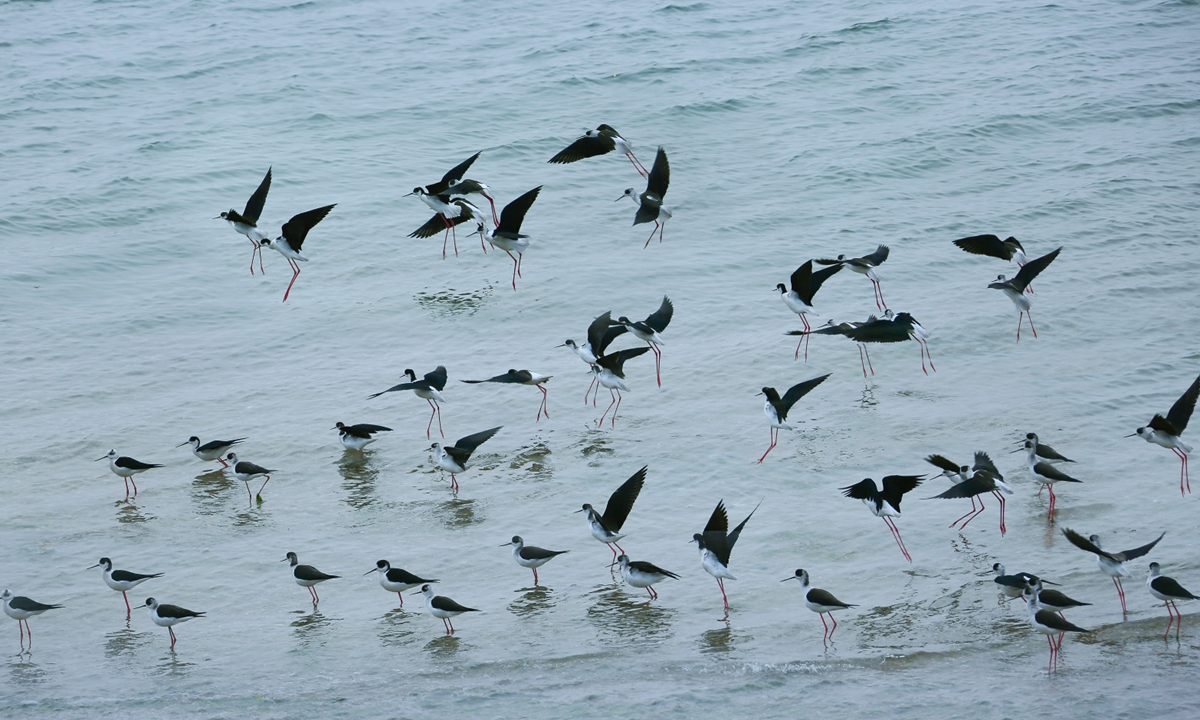
The Migratory Bird Sanctuaries along the Coast of the Yellow Sea-Bohai Gulf of China
The Migratory Bird Sanctuaries along the Coast of the Yellow Sea-Bohai Gulf of China, a World Heritage Natural Site, have secured a new expansion after the UNESCO World Heritage Committee approved a boundary adjustment at its 48th session in Busan, South Korea, on Sunday, officially incorporating the Changshan Islands component of Dalian, Northeast China's Liaoning Province, into the site, according to a press release issued by China's National Forestry and Grassland Administration on Monday.The Migratory Bird Sanctuaries along the Coast of the Yellow Sea-Bohai Gulf of China are the world's largest intertidal wetland system. The latest extension marks the second expansion of China's iconic coastal wetland heritage site following a major upgrade in 2024, further enhancing the ecological integrity of the migratory bird habitat and underscoring the country's integrated land-sea conservation strategy for coastal natural resources, the press release noted.
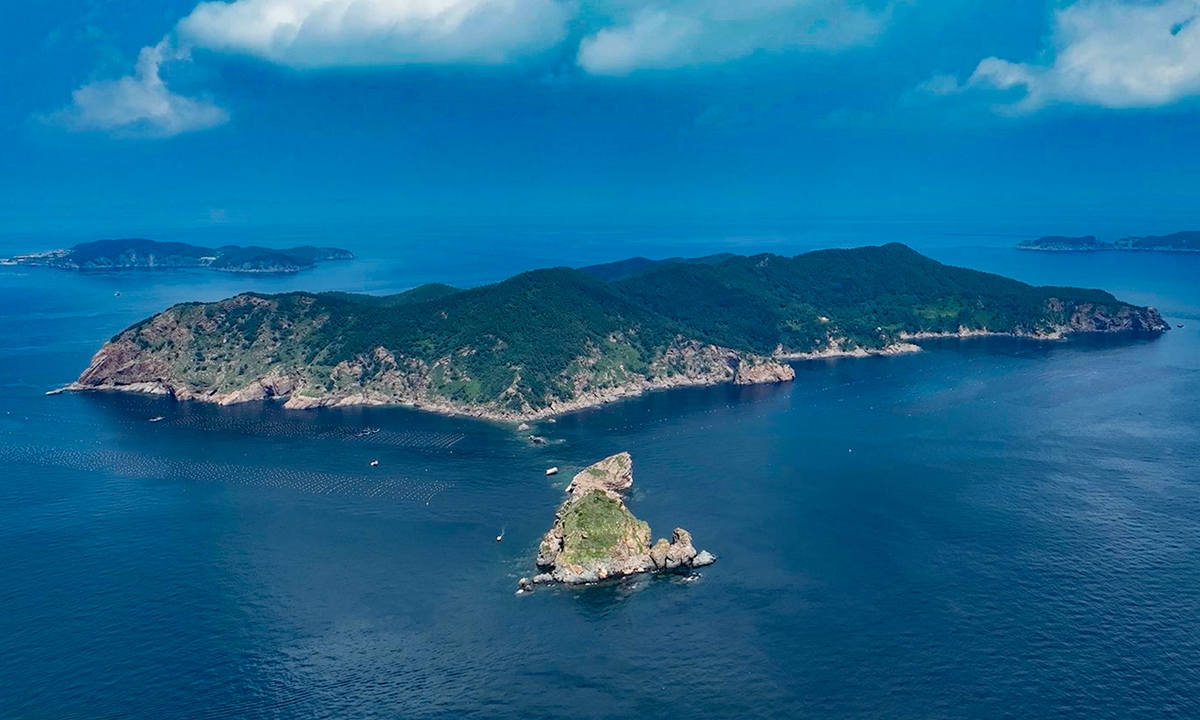
The Migratory Bird Sanctuaries along the Coast of the Yellow Sea-Bohai Gulf of China
Lying in the northern Yellow Sea off Dalian, the Changshan Islands form an indispensable ocean stopover and refueling link for millions of birds moving along the East Asian-Australasian Flyway as they cross the Bohai Strait. The newly incorporated area covers more than 4,900 hectares and consists of four core zones.Together with two other migratory bird habitats on the Liaodong Peninsula, which were both added to the World Heritage List in 2024, the site creates a connected land-sea ecological corridor. More than 140 bird species have been recorded in the area. It hosts the world's largest breeding colony of Chinese egrets and provides a year-round habitat for nationally protected first-class species, the press release noted.
China has been expanding a protected-area system anchored by national parks, a framework the administration said underpins systematic conservation of its Natural World Heritage properties. The country currently has 15 Natural World Heritage sites and four mixed cultural and natural sites, the highest total globally.
China will continue to promote systematic protection of World Natural Heritage as part of broader ecological conservation efforts, the administration said.
RELATED ARTICLES