ARTS / CULTURE & LEISURE
Asia’s first dinosaur museum reopens as real-life ‘Jurassic Park’ in China
Fossils and AI create immersive ‘Jurassic Park’ experience
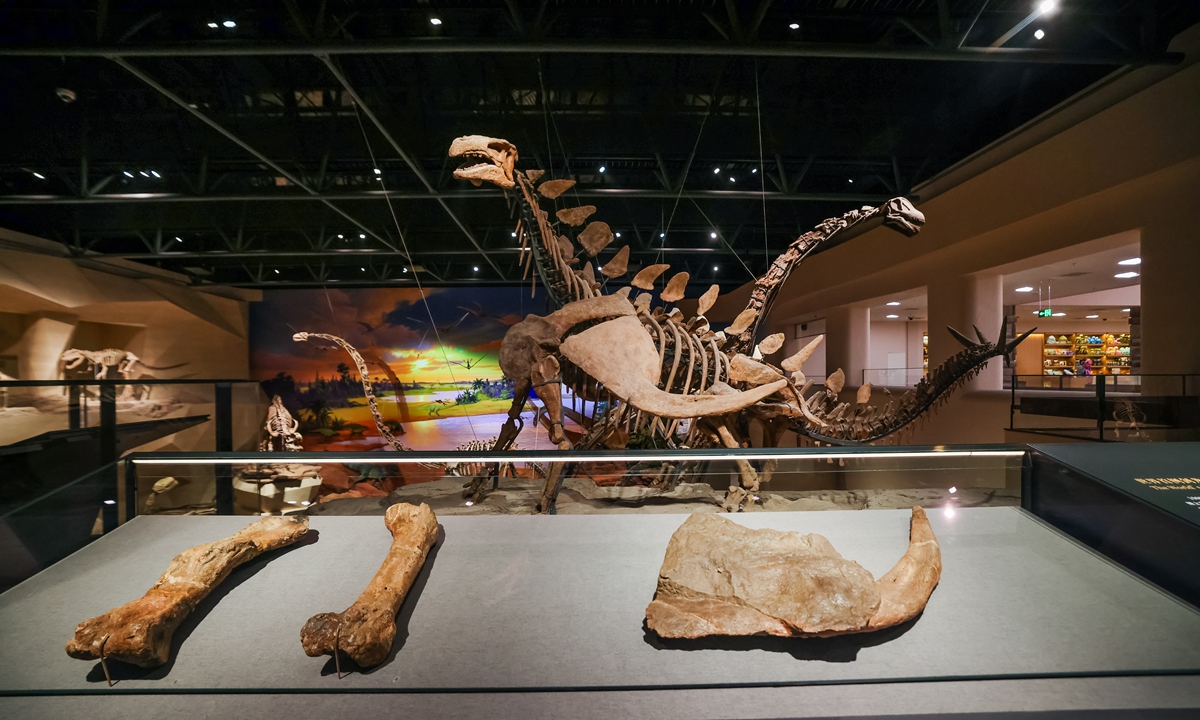
The Zigong Dinosaur Museum
A dinosaur museum in Zigong, Southwest China's Sichuan Province, is set to open on Tuesday after a major upgrade, offering visitors a "real-life Jurassic Park" experience with interactive displays, restored dinosaur scenes and newly unveiled fossil specimens.The Zigong Dinosaur Museum, Asia's first specialized dinosaur museum, has renovated its dinosaur site exhibition hall after more than a year of work.
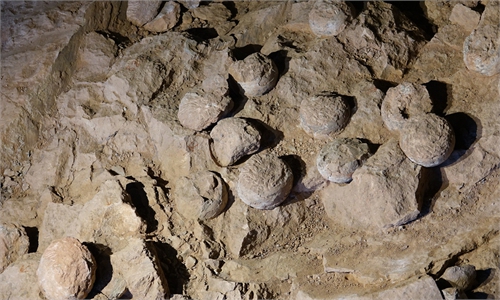
Established in 1987 on the Dashanpu Middle Jurassic Dinosaur Fossils Site, the museum sits atop tens of thousands of fossilized bones from over 200 individual dinosaurs and other vertebrates dating back 160 million years.
The museum is a major center for paleontological research and houses one of the world's largest collections of Middle Jurassic dinosaur fossils. Its collection covers almost all known dinosaur groups from the Jurassic Period, which lasted from about 201 million to 145 million years ago.
One of the highlights of the renovation is the first public display of the burial state of a Huayangosaurus taibaii, regarded as an early member of the stegosaur group. The species lived more than 160 million years ago.
The specimen, considered one of the museum's most important collections, was discovered in a nearly complete state. It preserves the vertebrae, part of the tail vertebrae, shoulder blades, pelvic bones and tail plates. It is estimated that the dinosaur measured about 4 meters in length.
Eight individual Huayangosaurus specimens have been discovered at the Dash-anpu site, making it the only stegosaur species found there.
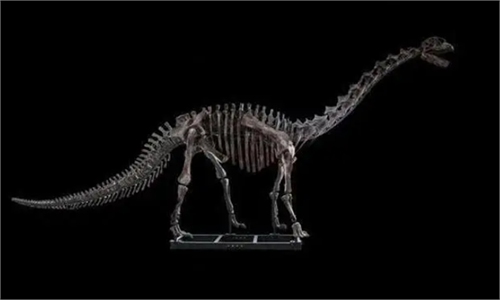
Another major exhibit making its public debut is the skull of Mamenchisaurus youngi, a long-necked dinosaur species discovered in the region.
"The upgrade not only improves the display of dinosaur skeletons, but also allows several important fossil specimens to meet visitors for the first time," Zeng Xiaoyun, director of the museum, told the Global Times.
According to Zeng, the museum's major exhibition, The Amazing Jurassic World, had been on display for more than 20 years. Despite its historical significance, the exhibition had become outdated, with aging facilities, limited updates, outdated presentation methods and insufficient visitor services making it difficult to meet the evolving expectations of modern audiences.
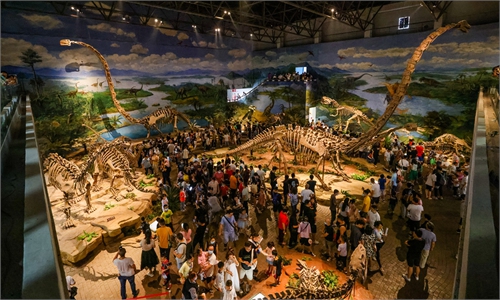
During this renovation, the museum introduced many new technologies, methods and approaches to bring dinosaur fossils to life. Visitors can point handheld devices at dinosaur skeletons to watch prehistoric giants come alive through dynamic digital recreations of hunting and daily life. Pathways above the original fossil burial site allow visitors to observe the excavation area where dinosaur remains were first discovered. Technologies including naked-eye 3D, floor projections and transparent OLED screens are being used to recreate the evolution of dinosaurs and the geological changes that shaped their world.
The new digital exhibition system breaks the limitations of traditional static displays by allowing visitors to explore prehistoric creatures through interactive and immersive experiences, remarked Zeng.
The museum's dinosaur site exhibition hall is also notable for its architecture. Viewed from a distance, the building resembles a giant rock cave, while from above it appears like a dinosaur lying on its side.
During the renovation, the museum preserved the building's distinctive design while carrying out projects including specimen relocation, fossil site protection and structural reinforcement, according to the museum.
The new exhibition traces the history of dinosaur fossil discoveries, the excavation process, scientific research achievements, conservation efforts and the continued preservation of paleontological heritage.
The renovation also addressed long-standing gaps in visitor services at the 40-year-old museum, with new elevators, wheelchair lifts, emergency call systems and audio guides added to improve accessibility. A smart security system combining AI-powered visitor monitoring and thermal imaging has also been installed to help protect the fossil site, museum facilities and visitors.
Meanwhile, construction is underway on the museum's third building, a new science education hall that will further expand museum functions in public education, exhibitions and research.
Once completed, the new facility is expected to host more science programs, study tours and educational activities, according to the museum.
The renovation marks more than a hardware upgrade for an aging museum; it represents a renewed effort to reshape Zigong's dinosaur culture brand, Zeng noted. As the Dinosaur Site Hall reopens, the iconic museum, which has preserved generations of memories, is set to tell the story of life from hundreds of millions of years ago in a new way.
RELATED ARTICLES