PHOTO / WORLD
In pics: baobab trees in Morondava, Madagascar
Published: Sep 20, 2026 11:26 AM
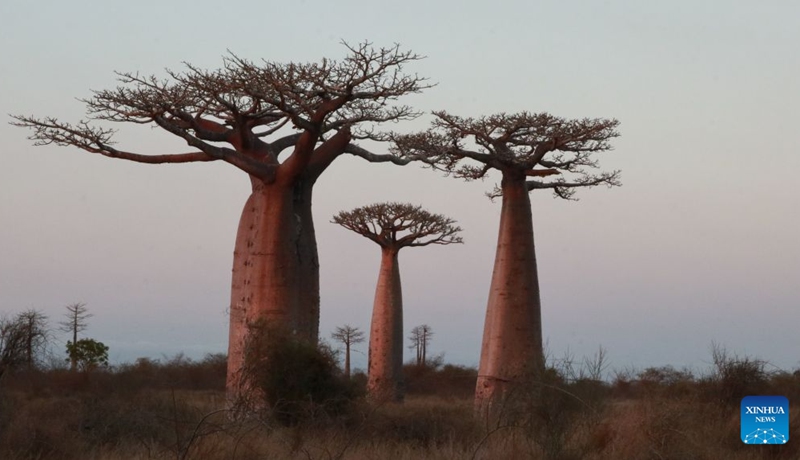
This photo taken on Sept. 17, 2026 shows baobab trees near the Avenue of the Baobabs in Morondava, Madagascar. The baobab is one of Madagascar's most iconic tree species. Known in Malagasy as Renala, meaning mother of the forest, it can store large amounts of water while its fruits, leaves and flowers provide rich nutrients. On the outskirts of Morondava, numerous baobab trees standing along the road form the distinctive Avenue of the Baobabs, attracting visitors from all over the world. (Xinhua/Chen Shaohua)
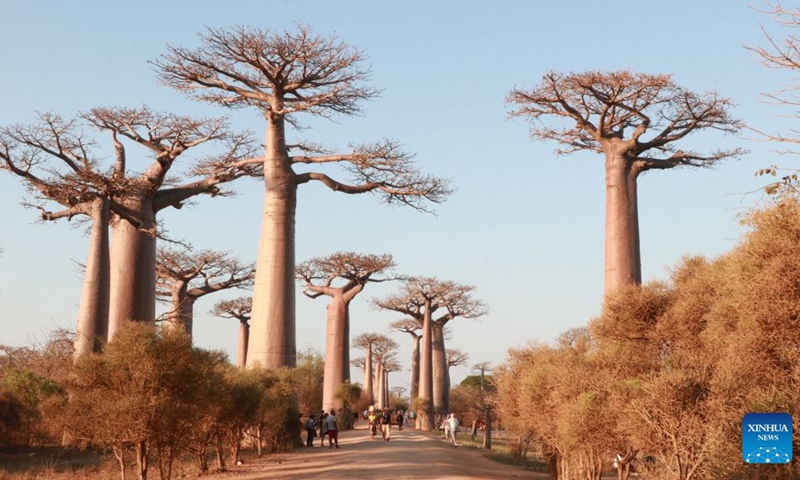
This photo taken on Sept. 17, 2026 shows baobab trees near the Avenue of the Baobabs in Morondava, Madagascar. The baobab is one of Madagascar's most iconic tree species. Known in Malagasy as "Renala," meaning "mother of the forest," it can store large amounts of water while its fruits, leaves and flowers provide rich nutrients. On the outskirts of Morondava, numerous baobab trees standing along the road form the distinctive Avenue of the Baobabs, attracting visitors from all over the world. (Xinhua/Chen Shaohua)
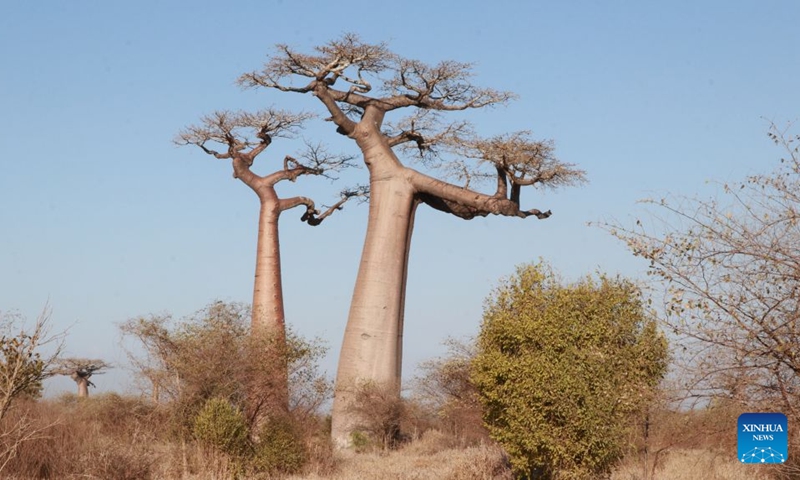

This photo taken on Sept. 19, 2026 shows baobab trees at the Avenue of the Baobabs in Morondava, Madagascar. The baobab is one of Madagascar's most iconic tree species. Known in Malagasy as Renala, meaning mother of the forest, it can store large amounts of water while its fruits, leaves and flowers provide rich nutrients. On the outskirts of Morondava, numerous baobab trees standing along the road form the distinctive Avenue of the Baobabs, attracting visitors from all over the world. (Xinhua/Chen Shaohua)
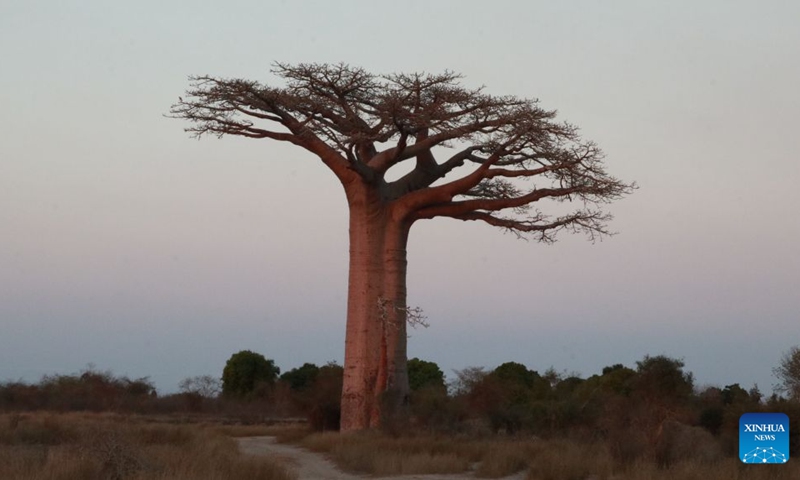
This photo taken on Sept. 19, 2026 shows baobab trees at the Avenue of the Baobabs in Morondava, Madagascar. The baobab is one of Madagascar's most iconic tree species. Known in Malagasy as "Renala," meaning "mother of the forest," it can store large amounts of water while its fruits, leaves and flowers provide rich nutrients. On the outskirts of Morondava, numerous baobab trees standing along the road form the distinctive Avenue of the Baobabs, attracting visitors from all over the world. (Xinhua/Chen Shaohua)
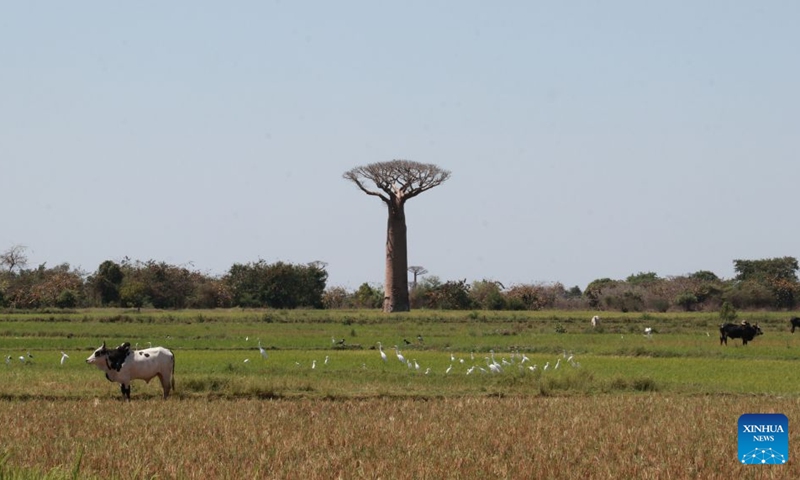

This photo taken on Sept. 18, 2026 shows baobab trees near the Avenue of the Baobabs in Morondava, Madagascar. The baobab is one of Madagascar's most iconic tree species. Known in Malagasy as Renala, meaning mother of the forest, it can store large amounts of water while its fruits, leaves and flowers provide rich nutrients. On the outskirts of Morondava, numerous baobab trees standing along the road form the distinctive Avenue of the Baobabs, attracting visitors from all over the world. (Xinhua/Chen Shaohua)
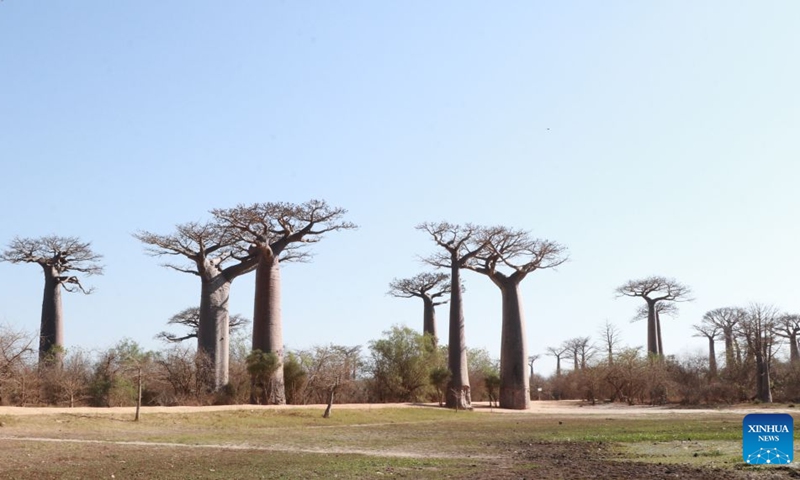
This photo taken on Sept. 18, 2026 shows baobab trees near the Avenue of the Baobabs in Morondava, Madagascar. The baobab is one of Madagascar's most iconic tree species. Known in Malagasy as "Renala," meaning "mother of the forest," it can store large amounts of water while its fruits, leaves and flowers provide rich nutrients. On the outskirts of Morondava, numerous baobab trees standing along the road form the distinctive Avenue of the Baobabs, attracting visitors from all over the world. (Xinhua/Chen Shaohua)
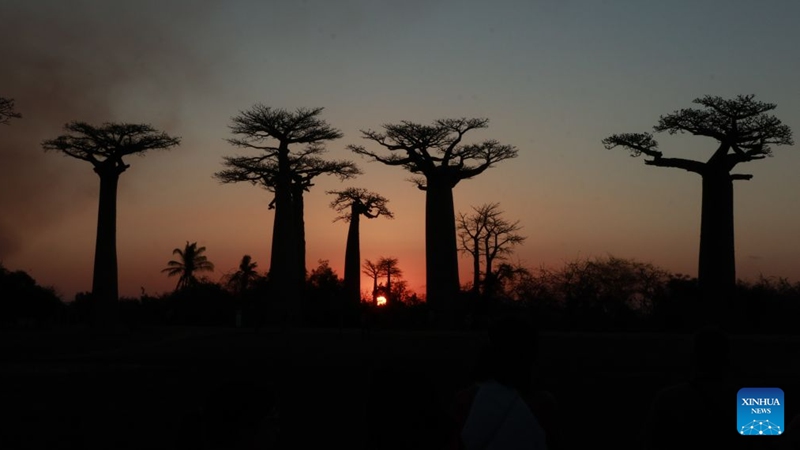

This photo taken on Sept. 17, 2026 shows a baobab tree near the Avenue of the Baobabs in Morondava, Madagascar. The baobab is one of Madagascar's most iconic tree species. Known in Malagasy as Renala, meaning mother of the forest, it can store large amounts of water while its fruits, leaves and flowers provide rich nutrients. On the outskirts of Morondava, numerous baobab trees standing along the road form the distinctive Avenue of the Baobabs, attracting visitors from all over the world. (Xinhua/Chen Shaohua)
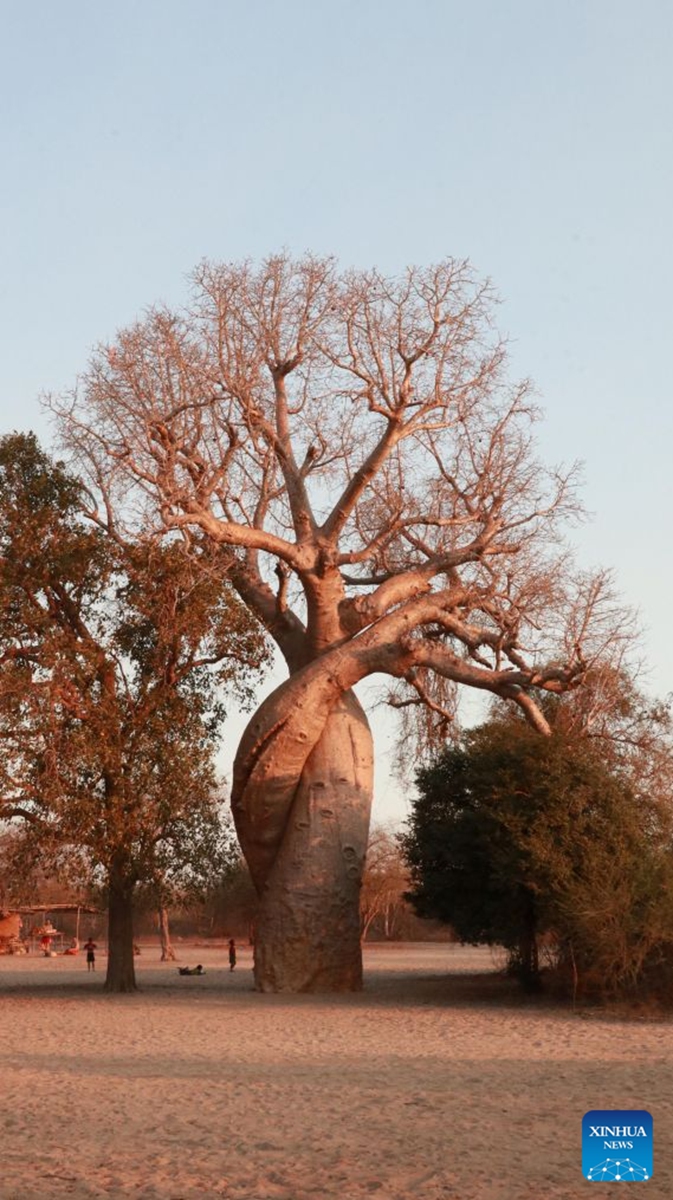
This photo taken on Sept. 17, 2026 shows a baobab tree near the Avenue of the Baobabs in Morondava, Madagascar. The baobab is one of Madagascar's most iconic tree species. Known in Malagasy as "Renala," meaning "mother of the forest," it can store large amounts of water while its fruits, leaves and flowers provide rich nutrients. On the outskirts of Morondava, numerous baobab trees standing along the road form the distinctive Avenue of the Baobabs, attracting visitors from all over the world. (Xinhua/Chen Shaohua)


This photo taken on Sept. 17, 2026 shows a baobab tree near the Avenue of the Baobabs in Morondava, Madagascar. The baobab is one of Madagascar's most iconic tree species. Known in Malagasy as Renala, meaning mother of the forest, it can store large amounts of water while its fruits, leaves and flowers provide rich nutrients. On the outskirts of Morondava, numerous baobab trees standing along the road form the distinctive Avenue of the Baobabs, attracting visitors from all over the world. (Xinhua/Chen Shaohua)

This photo taken on Sept. 17, 2026 shows a baobab tree near the Avenue of the Baobabs in Morondava, Madagascar. The baobab is one of Madagascar's most iconic tree species. Known in Malagasy as "Renala," meaning "mother of the forest," it can store large amounts of water while its fruits, leaves and flowers provide rich nutrients. On the outskirts of Morondava, numerous baobab trees standing along the road form the distinctive Avenue of the Baobabs, attracting visitors from all over the world. (Xinhua/Chen Shaohua)


This photo taken on Sept. 17, 2026 shows baobab trees near the Avenue of the Baobabs in Morondava, Madagascar. The baobab is one of Madagascar's most iconic tree species. Known in Malagasy as Renala, meaning mother of the forest, it can store large amounts of water while its fruits, leaves and flowers provide rich nutrients. On the outskirts of Morondava, numerous baobab trees standing along the road form the distinctive Avenue of the Baobabs, attracting visitors from all over the world. (Xinhua/Chen Shaohua)

This photo taken on Sept. 17, 2026 shows baobab trees near the Avenue of the Baobabs in Morondava, Madagascar. The baobab is one of Madagascar's most iconic tree species. Known in Malagasy as "Renala," meaning "mother of the forest," it can store large amounts of water while its fruits, leaves and flowers provide rich nutrients. On the outskirts of Morondava, numerous baobab trees standing along the road form the distinctive Avenue of the Baobabs, attracting visitors from all over the world. (Xinhua/Chen Shaohua)


This photo taken on Sept. 18, 2026 shows baobab trees near the Avenue of the Baobabs in Morondava, Madagascar. The baobab is one of Madagascar's most iconic tree species. Known in Malagasy as Renala, meaning mother of the forest, it can store large amounts of water while its fruits, leaves and flowers provide rich nutrients. On the outskirts of Morondava, numerous baobab trees standing along the road form the distinctive Avenue of the Baobabs, attracting visitors from all over the world. (Xinhua/Chen Shaohua)

This photo taken on Sept. 18, 2026 shows baobab trees near the Avenue of the Baobabs in Morondava, Madagascar. The baobab is one of Madagascar's most iconic tree species. Known in Malagasy as "Renala," meaning "mother of the forest," it can store large amounts of water while its fruits, leaves and flowers provide rich nutrients. On the outskirts of Morondava, numerous baobab trees standing along the road form the distinctive Avenue of the Baobabs, attracting visitors from all over the world. (Xinhua/Chen Shaohua)


This photo taken on Sept. 17, 2026 shows a baobab tree near the Avenue of the Baobabs in Morondava, Madagascar. The baobab is one of Madagascar's most iconic tree species. Known in Malagasy as Renala, meaning mother of the forest, it can store large amounts of water while its fruits, leaves and flowers provide rich nutrients. On the outskirts of Morondava, numerous baobab trees standing along the road form the distinctive Avenue of the Baobabs, attracting visitors from all over the world. (Xinhua/Chen Shaohua)

This photo taken on Sept. 17, 2026 shows a baobab tree near the Avenue of the Baobabs in Morondava, Madagascar. The baobab is one of Madagascar's most iconic tree species. Known in Malagasy as "Renala," meaning "mother of the forest," it can store large amounts of water while its fruits, leaves and flowers provide rich nutrients. On the outskirts of Morondava, numerous baobab trees standing along the road form the distinctive Avenue of the Baobabs, attracting visitors from all over the world. (Xinhua/Chen Shaohua)