PHOTO / CHINA
Ancient ethnic village in Yunnan thrives on cultural tourism
Published: Oct 20, 2026 04:44 PM
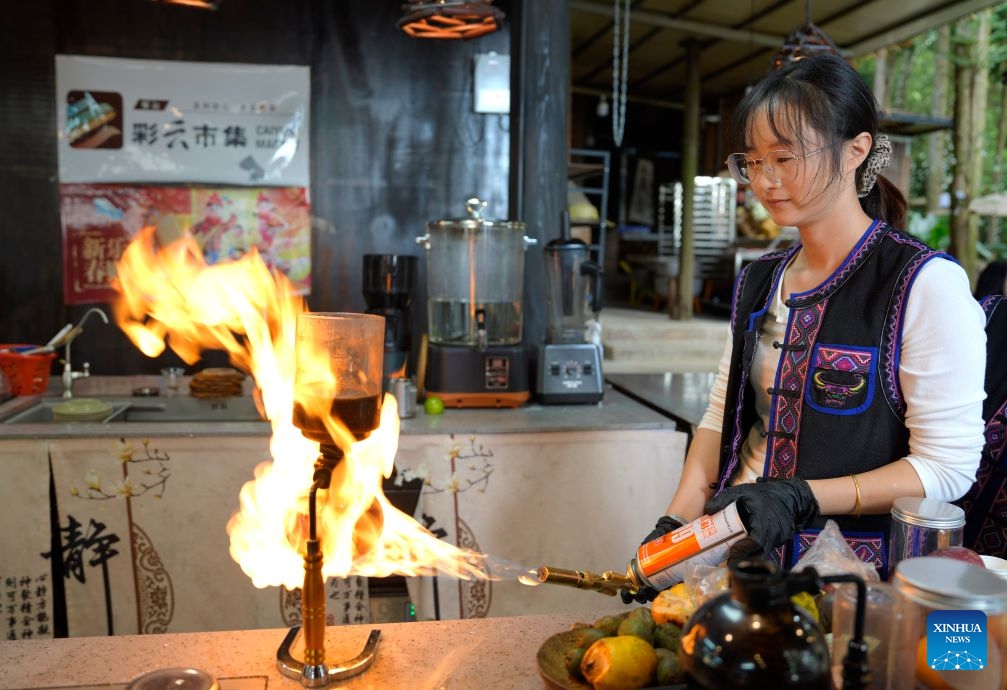
A staff member makes coffee at a cafe in Simola Wa Village in Qingshui Town of Tengchong City, southwest China's Yunnan Province, Oct. 19, 2026. The Simola Wa Village has a history of over 500 years and is home to people of multiple ethnic groups including the Wa, Han, Bai and Dai. Simola means a place of happiness in the Wa language. In recent years, the village has relied on its ethnic cultural resources to create a distinctive cultural tourism industry, attracting a continuous stream of tourists. (Photo: Xinhua)
A staff member makes coffee at a cafe in Simola Wa Village in Qingshui Town of Tengchong City, southwest China's Yunnan Province, Oct. 19, 2026. The Simola Wa Village has a history of over 500 years and is home to people of multiple ethnic groups including the Wa, Han, Bai and Dai. Simola means "a place of happiness" in the Wa language. In recent years, the village has relied on its ethnic cultural resources to create a distinctive cultural tourism industry, attracting a continuous stream of tourists. (Photo: Xinhua)

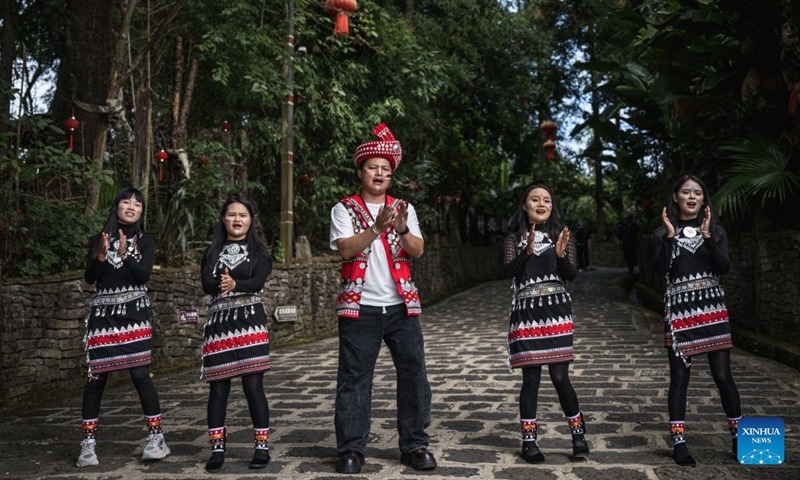
Artists perform ethnic dance in Simola Wa Village in Qingshui Town of Tengchong City, southwest China's Yunnan Province, Oct. 19, 2026. The Simola Wa Village has a history of over 500 years and is home to people of multiple ethnic groups including the Wa, Han, Bai and Dai. Simola means a place of happiness in the Wa language. In recent years, the village has relied on its ethnic cultural resources to create a distinctive cultural tourism industry, attracting a continuous stream of tourists. (Photo: Xinhua)
Artists perform ethnic dance in Simola Wa Village in Qingshui Town of Tengchong City, southwest China's Yunnan Province, Oct. 19, 2026. The Simola Wa Village has a history of over 500 years and is home to people of multiple ethnic groups including the Wa, Han, Bai and Dai. Simola means "a place of happiness" in the Wa language. In recent years, the village has relied on its ethnic cultural resources to create a distinctive cultural tourism industry, attracting a continuous stream of tourists. (Photo: Xinhua)


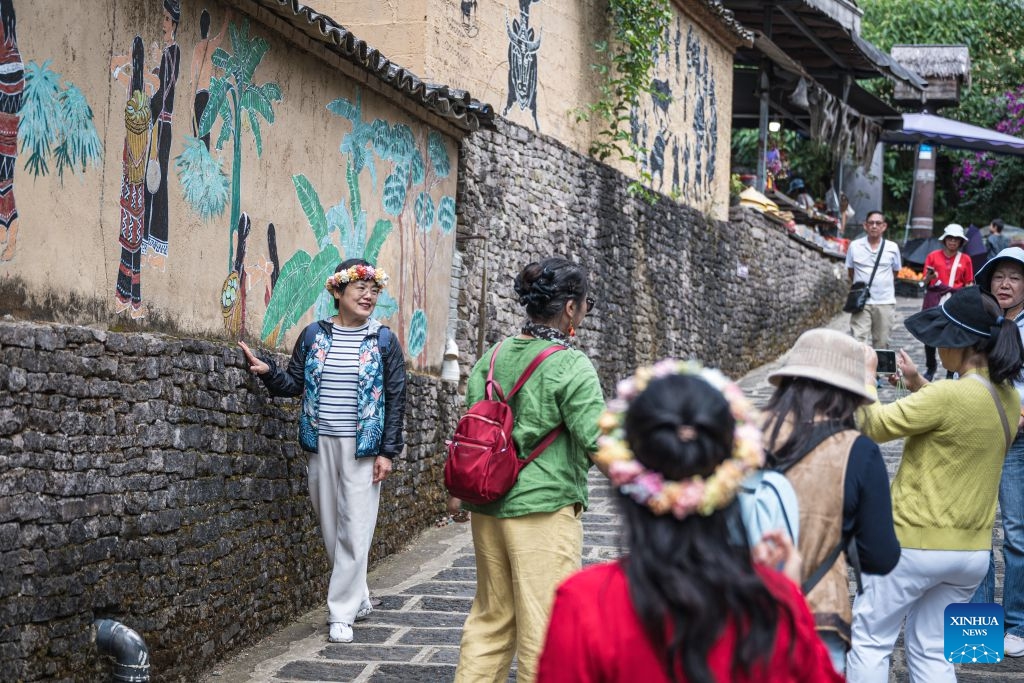
A tourist poses for photos in Simola Wa Village in Qingshui Town of Tengchong City, southwest China's Yunnan Province, Oct. 19, 2026. The Simola Wa Village has a history of over 500 years and is home to people of multiple ethnic groups including the Wa, Han, Bai and Dai. Simola means a place of happiness in the Wa language. In recent years, the village has relied on its ethnic cultural resources to create a distinctive cultural tourism industry, attracting a continuous stream of tourists. (Photo: Xinhua)

A tourist poses for photos in Simola Wa Village in Qingshui Town of Tengchong City, southwest China's Yunnan Province, Oct. 19, 2026. The Simola Wa Village has a history of over 500 years and is home to people of multiple ethnic groups including the Wa, Han, Bai and Dai. Simola means "a place of happiness" in the Wa language. In recent years, the village has relied on its ethnic cultural resources to create a distinctive cultural tourism industry, attracting a continuous stream of tourists. (Photo: Xinhua)


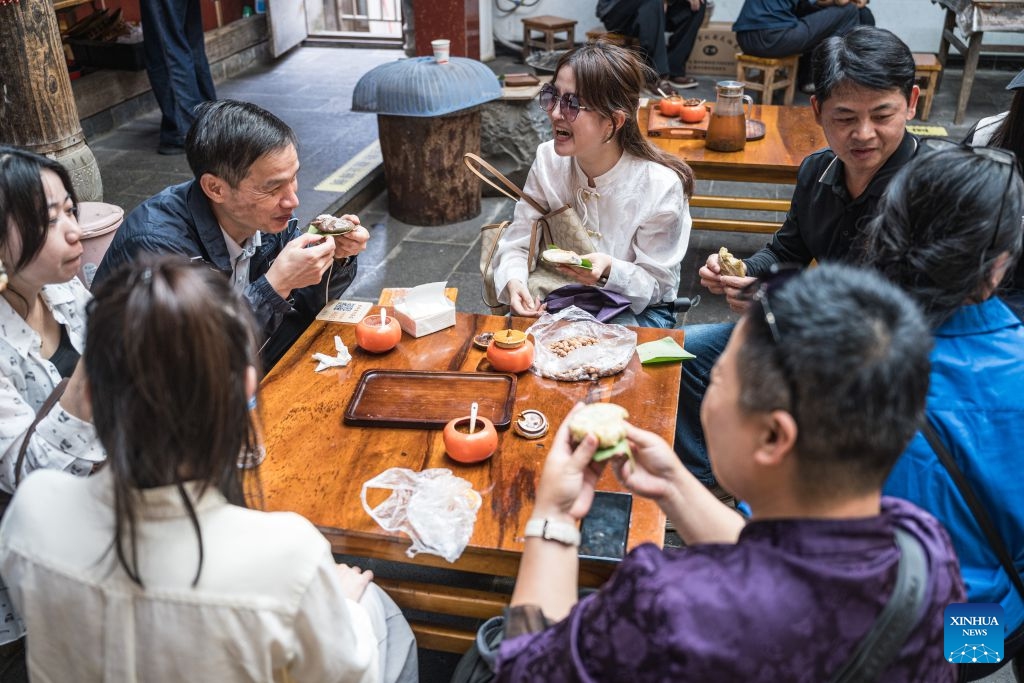
Tourists enjoy local snacks in Simola Wa Village in Qingshui Town of Tengchong City, southwest China's Yunnan Province, Oct. 19, 2026. The Simola Wa Village has a history of over 500 years and is home to people of multiple ethnic groups including the Wa, Han, Bai and Dai. Simola means a place of happiness in the Wa language. In recent years, the village has relied on its ethnic cultural resources to create a distinctive cultural tourism industry, attracting a continuous stream of tourists. (Photo: Xinhua)

Tourists enjoy local snacks in Simola Wa Village in Qingshui Town of Tengchong City, southwest China's Yunnan Province, Oct. 19, 2026. The Simola Wa Village has a history of over 500 years and is home to people of multiple ethnic groups including the Wa, Han, Bai and Dai. Simola means "a place of happiness" in the Wa language. In recent years, the village has relied on its ethnic cultural resources to create a distinctive cultural tourism industry, attracting a continuous stream of tourists. (Photo: Xinhua)