BUSINESS / PRESS RELEASE
Joy Qiao: Educating for Human Flourishing in the Age of AI
As digital technology reshapes how young people learn, communicate and imagine their futures, Joy Qiao, chairperson of Wellington College Education (China), often returns to a simple question: What is education really for? For Qiao, the answer has never been limited to examination results, university destinations or career success. At its heart, she believes, education should be about human flourishing — helping young people grow in character, purpose, connection and compassion. That philosophy now shapes not only what happens inside classrooms, but also where the group chooses to grow.
Two recent milestones have given renewed expression to that vision. Wellington College International Tianjin, the group's first school in China, has marked its 15th anniversary. Across the Pacific, Hiba Academy Bay Area has opened in San Francisco as a Mandarin-English immersion school for students from pre-kindergarten through fifth grade, becoming the group's first school in the US.
"Wellington College International Tianjin was the beginning of our first chapter," Qiao explained. "It was about taking the best international education, bringing it to China and offering it to children in China. The opening of Hiba Academy Bay Area in San Francisco is the beginning of our second chapter—taking our unique bilingual education model, combining the best of Eastern and Western educational philosophy, and offering it to the world."
A Philosophy Shaped by a Parent's Needs
That conviction first took shape for Qiao as a parent. A Shanghai native who studied at Oxford and married a British man, she wanted her sons to attend a school that nurtured the whole child, not just academically but socially and emotionally. Just as important, she wanted them to feel at home in both Chinese and Western cultures.
Searching for such a school changed the course of her life. In 2009, Qiao partnered with Wellington College in the UK to establish Wellington College Education (China). The group subsequently opened its first school and has since grown into a network of seven schools in China and the US.
The first few years were a time of learning and adjustment. Qiao says the most important lesson was humility.
"We didn't even know what we didn't know," she said. "There were many challenges —understanding that EAL [English as an Additional Language] was actually a mainstream English need, learning how to communicate with Chinese parents, and understanding what a traditional Chinese classroom looked like."
She explained that the solution was not for one side to impose its model on the other, but for Chinese and Western educators to work as equal partners to find the best solutions for students. Over time, those practical lessons became part of a more intentional approach: Education that is rigorous but also grounded in relationships, identity and belonging.
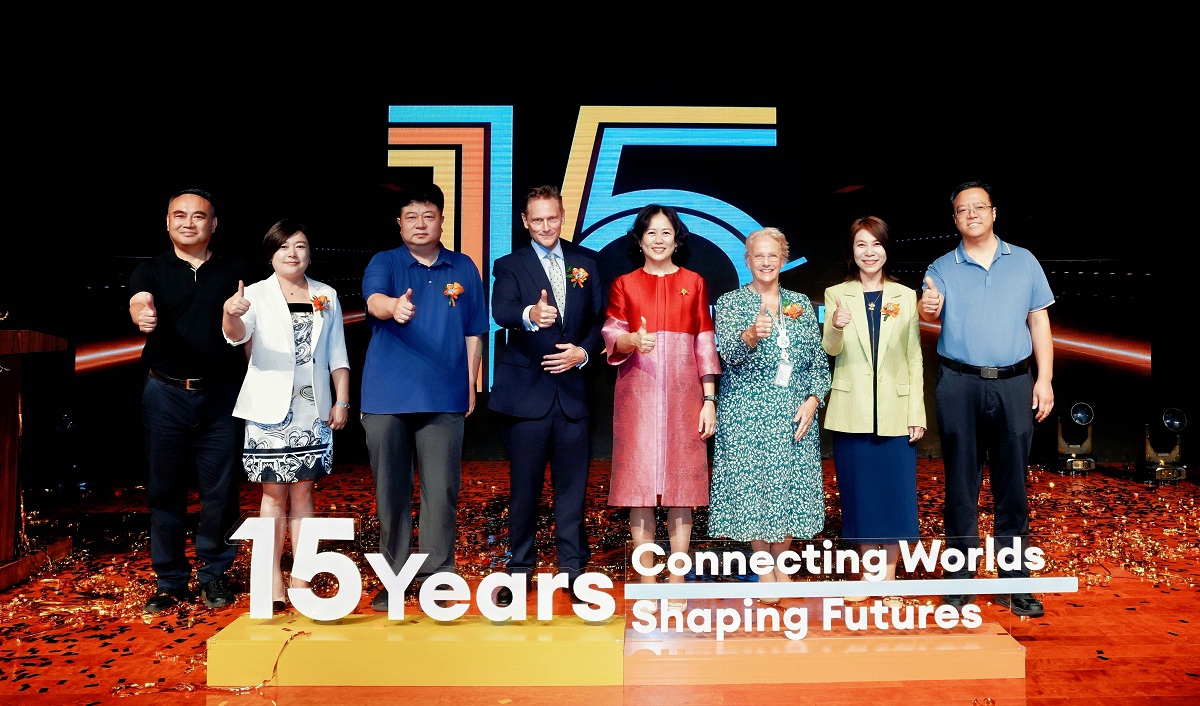
Fifteen years later, Wellington Tianjin's 15th anniversary represents more than an milestone. The school is the first living expression of Qiao's belief that education can bridge cultures through daily practice—in classrooms, conversations and communities.
Why Human Flourishing Matters Now More Than Ever
Looking back over the past 15 years, Qiao sees profound changes in the world around her. Social media, smartphones and now artificial intelligence have transformed how people learn, communicate and navigate daily life. China has grown stronger economically and technologically. It is more confident as a nation. Meanwhile, the world has become more interconnected and more complex.
For Qiao, these changes reinforce the relevance of the group's founding philosophy.
"Amid all these changes, basic human needs have not changed," she said. "Our educational ethos of education for human flourishing, as well as building cultural bridges, still stands."
Today, the group frames that philosophy as "Education for Human Flourishing in the Age of AI." Academic excellence remains central, but it is a foundation for a fulfilling life, not education's ultimate purpose. For Qiao, flourishing also means finding meaning and purpose, building strong relationships, enjoying learning and developing character and compassion. Technology makes these aims even more urgent.
"Technology itself is neither good nor bad," she said. "It is a magnifier of human intent."
If human intent is guided by wisdom, empathy and cooperation, technology can help solve great challenges. If it is shaped by mistrust and division, it can amplify risks on an unprecedented scale. That is why, Qiao believes, future-ready education must cultivate three qualities in young people.
The first is lifelong, adaptive learning. This requires curiosity to keep learning, critical thinking to assess new information as the world changes, and resilience to keep pace with those changes.
The second is a commitment to what makes us deeply human. In Qiao's view, this starts with good intent and includes the relationships and sense of purpose at the heart of flourishing. However sophisticated technology becomes, these qualities should remain central to education.
The third is the ability to build cultural bridges, working with people whose backgrounds, experiences and perspectives differ from one's own.
Together, these priorities link Qiao's vision of human flourishing to the practical demands of an interconnected world.
Beyond Bilingualism: Cultural Fluency
Alongside human flourishing, building cultural bridges is the group's other defining commitment. This emphasis on connection runs through both. Qiao often stresses that bilingualism alone is not enough. Language is important, but the greater goal is cultural fluency—the ability to listen before judging, understand different perspectives and appreciate difference without feeling threatened by it.
"Language opens the door," she explained, "but cultural understanding allows people to walk through it."
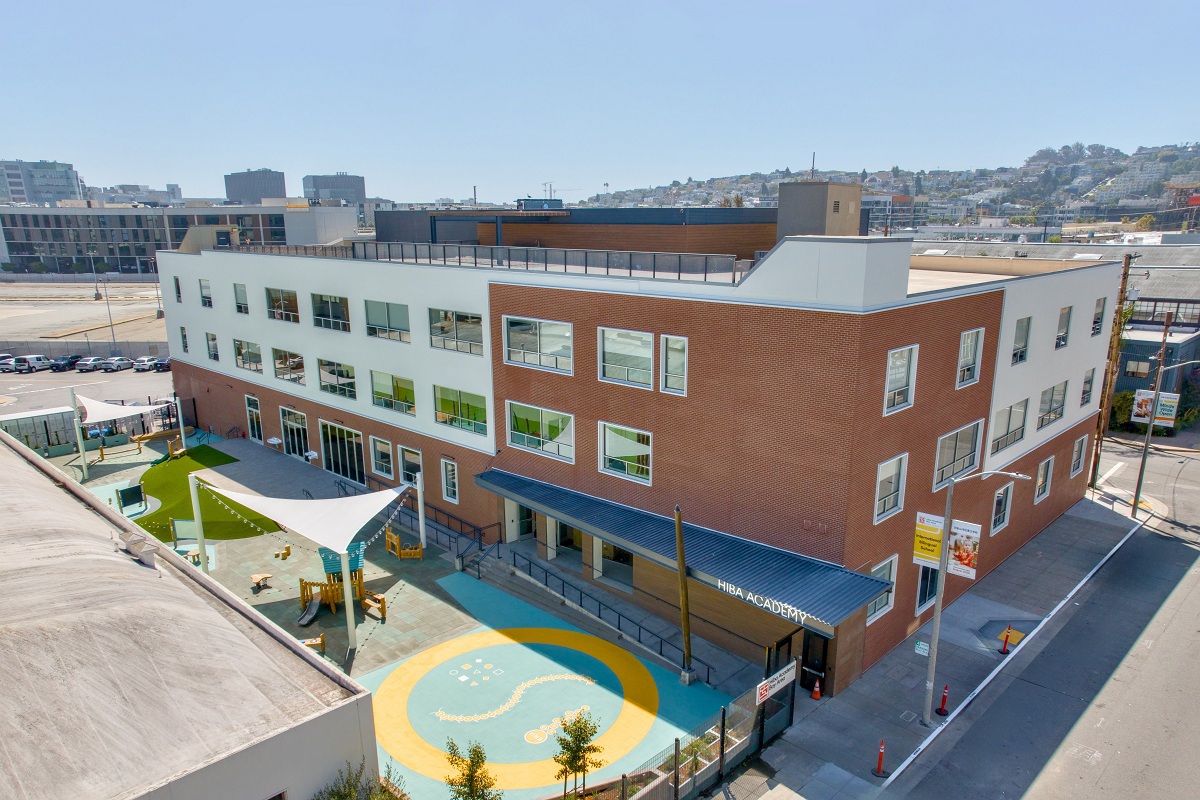
Hiba Academy Bay Area was founded with this belief in mind. Located in San Francisco, a city long associated with diversity, innovation and China-US exchange, the school offers Mandarin-English immersion education rooted in the idea that children can grow up comfortable in more than one language and culture. Tianjin tested whether a high-quality international model could thrive in China; Hiba now tests whether a bilingual, bicultural model can serve families globally. Its founding class includes children from both Chinese-speaking and non-Chinese-speaking homes, suggesting that Mandarin immersion appeals beyond families with a Chinese linguistic or cultural heritage.
A Global Community for a Global Future
For Qiao, this is an encouraging sign. Hiba Academy Bay Area is meant to bridge China and the US, languages and cultures, and the young people who will inherit an interconnected world.
But the bridge, she added, must work both ways. She hopes more overseas students and international talent will come to China to study, work and build connections. She also hopes Hiba graduates will one day pursue opportunities to study, work and build connections abroad.
Throughout the Wellington College Education (China) group, that vision is already taking shape in a global community of students, parents, teachers and alumni. For Qiao, this community can become a bridge that helps young people find their place in the world.
"If we can help young people flourish, and if we can help them build meaningful connections across cultures," she said, "then education can remain one of humanity's greatest forces for good."
Two recent milestones have given renewed expression to that vision. Wellington College International Tianjin, the group's first school in China, has marked its 15th anniversary. Across the Pacific, Hiba Academy Bay Area has opened in San Francisco as a Mandarin-English immersion school for students from pre-kindergarten through fifth grade, becoming the group's first school in the US.
"Wellington College International Tianjin was the beginning of our first chapter," Qiao explained. "It was about taking the best international education, bringing it to China and offering it to children in China. The opening of Hiba Academy Bay Area in San Francisco is the beginning of our second chapter—taking our unique bilingual education model, combining the best of Eastern and Western educational philosophy, and offering it to the world."
A Philosophy Shaped by a Parent's Needs
That conviction first took shape for Qiao as a parent. A Shanghai native who studied at Oxford and married a British man, she wanted her sons to attend a school that nurtured the whole child, not just academically but socially and emotionally. Just as important, she wanted them to feel at home in both Chinese and Western cultures.
Searching for such a school changed the course of her life. In 2009, Qiao partnered with Wellington College in the UK to establish Wellington College Education (China). The group subsequently opened its first school and has since grown into a network of seven schools in China and the US.
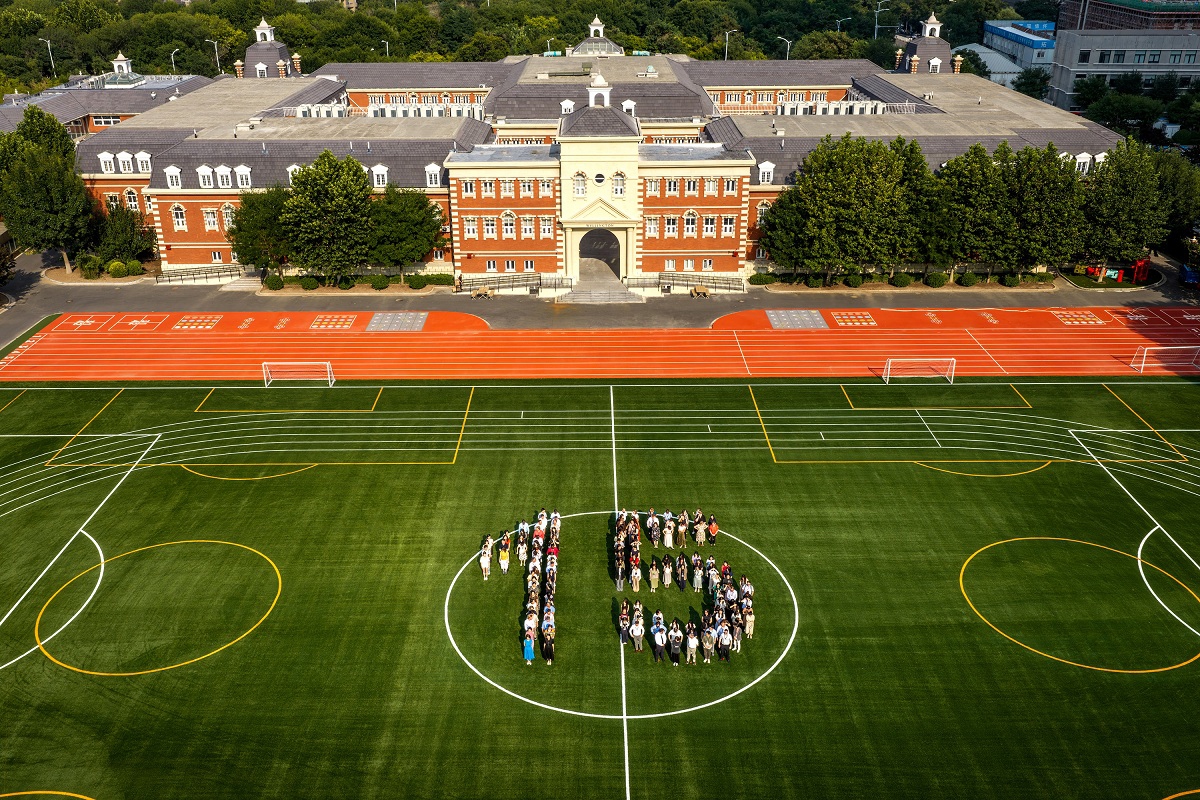
Wellington College Education (China) – Tianjin
The first few years were a time of learning and adjustment. Qiao says the most important lesson was humility.
"We didn't even know what we didn't know," she said. "There were many challenges —understanding that EAL [English as an Additional Language] was actually a mainstream English need, learning how to communicate with Chinese parents, and understanding what a traditional Chinese classroom looked like."
She explained that the solution was not for one side to impose its model on the other, but for Chinese and Western educators to work as equal partners to find the best solutions for students. Over time, those practical lessons became part of a more intentional approach: Education that is rigorous but also grounded in relationships, identity and belonging.
Wellington College Education (China) – Tianjin Celebrates 15th Anniversary
Fifteen years later, Wellington Tianjin's 15th anniversary represents more than an milestone. The school is the first living expression of Qiao's belief that education can bridge cultures through daily practice—in classrooms, conversations and communities.
Why Human Flourishing Matters Now More Than Ever
Looking back over the past 15 years, Qiao sees profound changes in the world around her. Social media, smartphones and now artificial intelligence have transformed how people learn, communicate and navigate daily life. China has grown stronger economically and technologically. It is more confident as a nation. Meanwhile, the world has become more interconnected and more complex.
For Qiao, these changes reinforce the relevance of the group's founding philosophy.
"Amid all these changes, basic human needs have not changed," she said. "Our educational ethos of education for human flourishing, as well as building cultural bridges, still stands."
Today, the group frames that philosophy as "Education for Human Flourishing in the Age of AI." Academic excellence remains central, but it is a foundation for a fulfilling life, not education's ultimate purpose. For Qiao, flourishing also means finding meaning and purpose, building strong relationships, enjoying learning and developing character and compassion. Technology makes these aims even more urgent.
"Technology itself is neither good nor bad," she said. "It is a magnifier of human intent."
If human intent is guided by wisdom, empathy and cooperation, technology can help solve great challenges. If it is shaped by mistrust and division, it can amplify risks on an unprecedented scale. That is why, Qiao believes, future-ready education must cultivate three qualities in young people.
The first is lifelong, adaptive learning. This requires curiosity to keep learning, critical thinking to assess new information as the world changes, and resilience to keep pace with those changes.
The second is a commitment to what makes us deeply human. In Qiao's view, this starts with good intent and includes the relationships and sense of purpose at the heart of flourishing. However sophisticated technology becomes, these qualities should remain central to education.
The third is the ability to build cultural bridges, working with people whose backgrounds, experiences and perspectives differ from one's own.
Together, these priorities link Qiao's vision of human flourishing to the practical demands of an interconnected world.
Beyond Bilingualism: Cultural Fluency
Alongside human flourishing, building cultural bridges is the group's other defining commitment. This emphasis on connection runs through both. Qiao often stresses that bilingualism alone is not enough. Language is important, but the greater goal is cultural fluency—the ability to listen before judging, understand different perspectives and appreciate difference without feeling threatened by it.
"Language opens the door," she explained, "but cultural understanding allows people to walk through it."
Hiba Academy Bay Area
Hiba Academy Bay Area was founded with this belief in mind. Located in San Francisco, a city long associated with diversity, innovation and China-US exchange, the school offers Mandarin-English immersion education rooted in the idea that children can grow up comfortable in more than one language and culture. Tianjin tested whether a high-quality international model could thrive in China; Hiba now tests whether a bilingual, bicultural model can serve families globally. Its founding class includes children from both Chinese-speaking and non-Chinese-speaking homes, suggesting that Mandarin immersion appeals beyond families with a Chinese linguistic or cultural heritage.
A Global Community for a Global Future
For Qiao, this is an encouraging sign. Hiba Academy Bay Area is meant to bridge China and the US, languages and cultures, and the young people who will inherit an interconnected world.
But the bridge, she added, must work both ways. She hopes more overseas students and international talent will come to China to study, work and build connections. She also hopes Hiba graduates will one day pursue opportunities to study, work and build connections abroad.
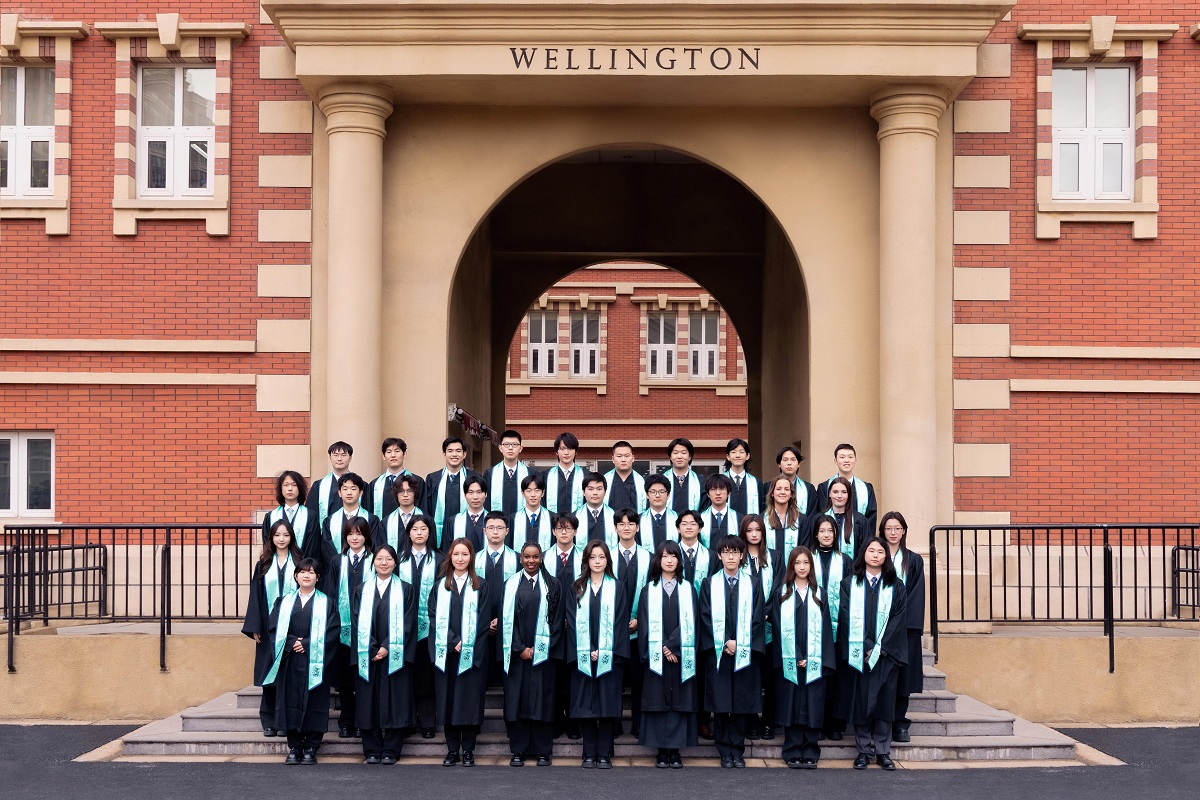
Class of 2026, Wellington College Education (China) - Tianjin
Throughout the Wellington College Education (China) group, that vision is already taking shape in a global community of students, parents, teachers and alumni. For Qiao, this community can become a bridge that helps young people find their place in the world.
"If we can help young people flourish, and if we can help them build meaningful connections across cultures," she said, "then education can remain one of humanity's greatest forces for good."
