PHOTO / WORLD
In pics: Royal Observatory in Greenwich, London
Published: Oct 26, 2026 01:45 PM
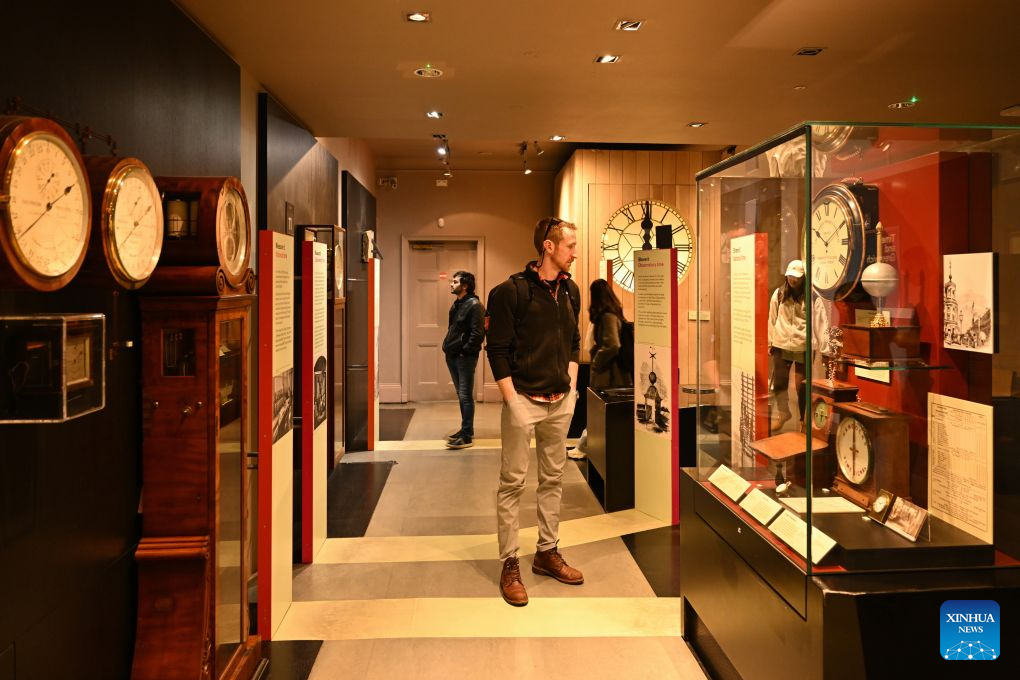
Visitors look at exhibits themed on Greenwich Mean Time at the Royal Observatory in Greenwich, London, Britain, on Oct. 25, 2026. The Royal Observatory in Greenwich was founded in 1675 to improve navigation at sea through astronomical observations and help ships determine their longitude. As the home of Greenwich Mean Time, it holds an important place in the history of astronomy, precision timekeeping and navigation. In 1884, the meridian passing through the observatory was adopted as the international Prime Meridian, establishing a common reference for measuring longitude worldwide. This historic line is still marked at the observatory today. (Xinhua/Li Mangmang)
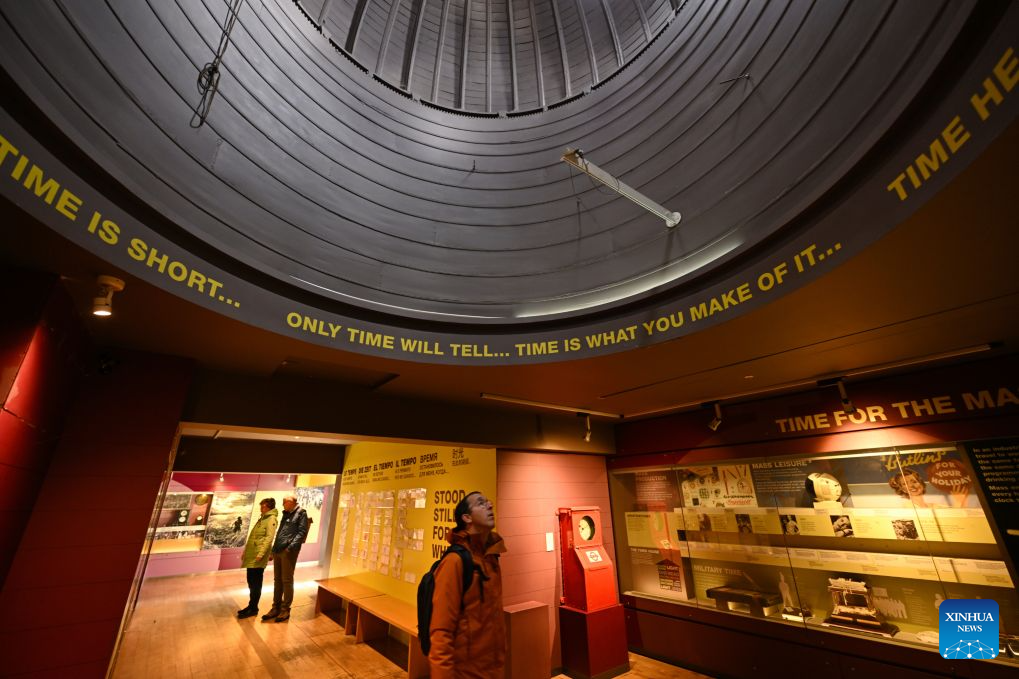
Visitors look at exhibits themed on Greenwich Mean Time at the Royal Observatory in Greenwich, London, Britain, on Oct. 25, 2026. The Royal Observatory in Greenwich was founded in 1675 to improve navigation at sea through astronomical observations and help ships determine their longitude. As the home of Greenwich Mean Time, it holds an important place in the history of astronomy, precision timekeeping and navigation. In 1884, the meridian passing through the observatory was adopted as the international Prime Meridian, establishing a common reference for measuring longitude worldwide. This historic line is still marked at the observatory today. (Xinhua/Li Mangmang)

A visitor views a time-themed exhibition at the Royal Observatory in Greenwich, London, Britain, on Oct. 25, 2026. The Royal Observatory in Greenwich was founded in 1675 to improve navigation at sea through astronomical observations and help ships determine their longitude. As the home of Greenwich Mean Time, it holds an important place in the history of astronomy, precision timekeeping and navigation. In 1884, the meridian passing through the observatory was adopted as the international Prime Meridian, establishing a common reference for measuring longitude worldwide. This historic line is still marked at the observatory today. (Xinhua/Li Mangmang)
A visitor views a time-themed exhibition at the Royal Observatory in Greenwich, London, Britain, on Oct. 25, 2026. The Royal Observatory in Greenwich was founded in 1675 to improve navigation at sea through astronomical observations and help ships determine their longitude. As the home of Greenwich Mean Time, it holds an important place in the history of astronomy, precision timekeeping and navigation. In 1884, the meridian passing through the observatory was adopted as the international Prime Meridian, establishing a common reference for measuring longitude worldwide. This historic line is still marked at the observatory today. (Xinhua/Li Mangmang)


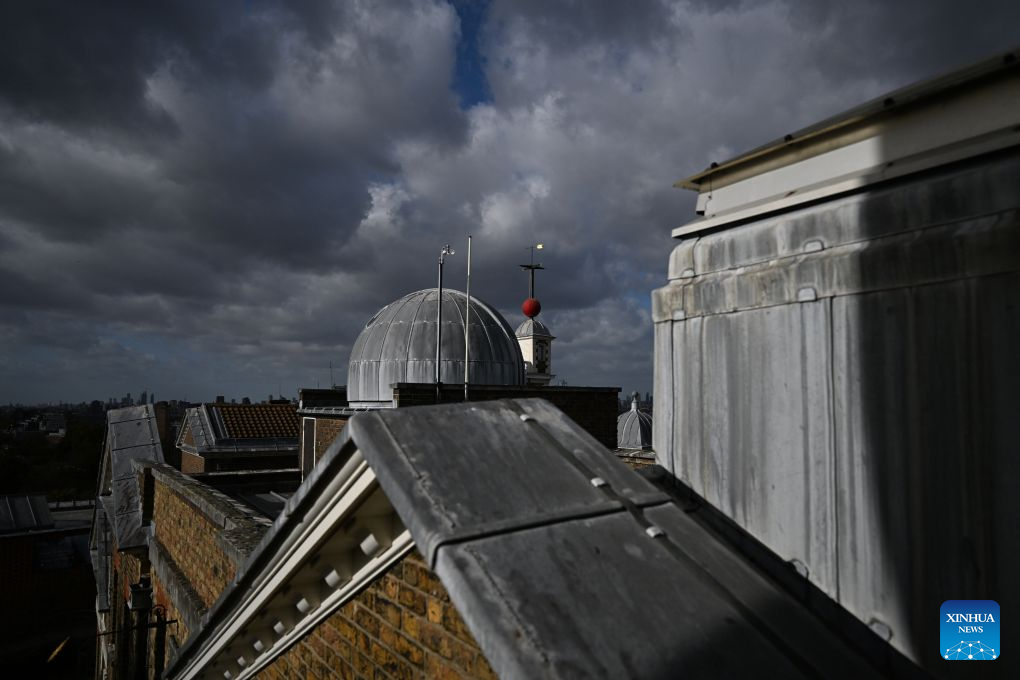
This photo taken on Oct. 25, 2026 shows a view of the Royal Observatory in Greenwich, London, Britain. The Royal Observatory in Greenwich was founded in 1675 to improve navigation at sea through astronomical observations and help ships determine their longitude. As the home of Greenwich Mean Time, it holds an important place in the history of astronomy, precision timekeeping and navigation. In 1884, the meridian passing through the observatory was adopted as the international Prime Meridian, establishing a common reference for measuring longitude worldwide. This historic line is still marked at the observatory today. (Xinhua/Li Mangmang)

This photo taken on Oct. 25, 2026 shows a view of the Royal Observatory in Greenwich, London, Britain. The Royal Observatory in Greenwich was founded in 1675 to improve navigation at sea through astronomical observations and help ships determine their longitude. As the home of Greenwich Mean Time, it holds an important place in the history of astronomy, precision timekeeping and navigation. In 1884, the meridian passing through the observatory was adopted as the international Prime Meridian, establishing a common reference for measuring longitude worldwide. This historic line is still marked at the observatory today. (Xinhua/Li Mangmang)


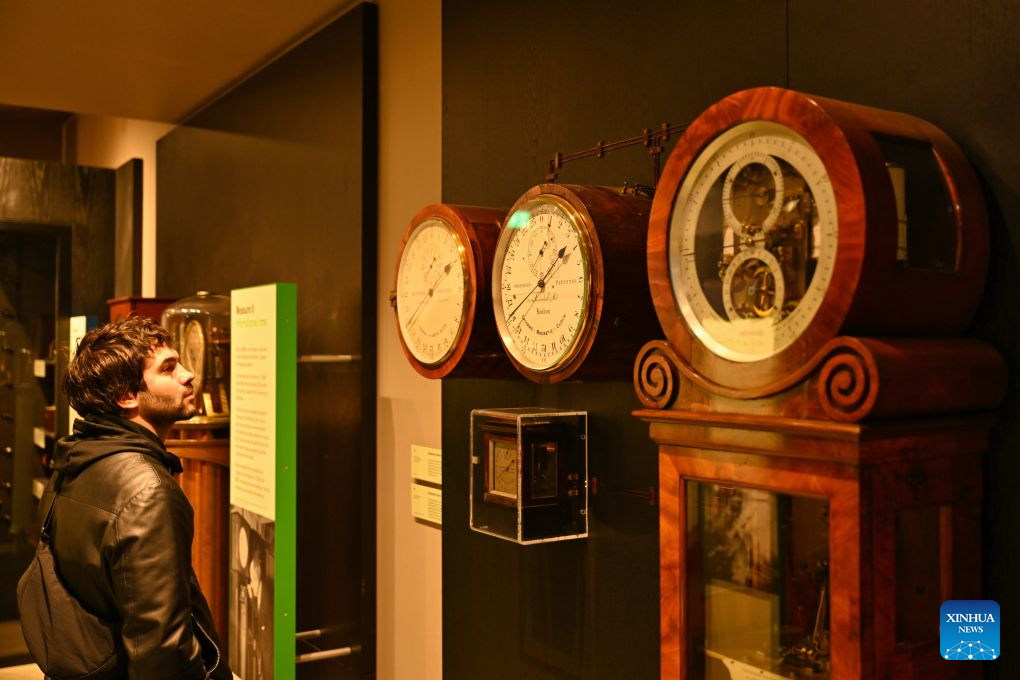
A visitor looks at exhibits themed on Greenwich Mean Time at the Royal Observatory in Greenwich, London, Britain, on Oct. 25, 2026. The Royal Observatory in Greenwich was founded in 1675 to improve navigation at sea through astronomical observations and help ships determine their longitude. As the home of Greenwich Mean Time, it holds an important place in the history of astronomy, precision timekeeping and navigation. In 1884, the meridian passing through the observatory was adopted as the international Prime Meridian, establishing a common reference for measuring longitude worldwide. This historic line is still marked at the observatory today. (Xinhua/Li Mangmang)

A visitor looks at exhibits themed on Greenwich Mean Time at the Royal Observatory in Greenwich, London, Britain, on Oct. 25, 2026. The Royal Observatory in Greenwich was founded in 1675 to improve navigation at sea through astronomical observations and help ships determine their longitude. As the home of Greenwich Mean Time, it holds an important place in the history of astronomy, precision timekeeping and navigation. In 1884, the meridian passing through the observatory was adopted as the international Prime Meridian, establishing a common reference for measuring longitude worldwide. This historic line is still marked at the observatory today. (Xinhua/Li Mangmang)