BUSINESS / PRESS RELEASE
Chinese snack maker Jintan eyes investment in Indonesia with food-centered IP model
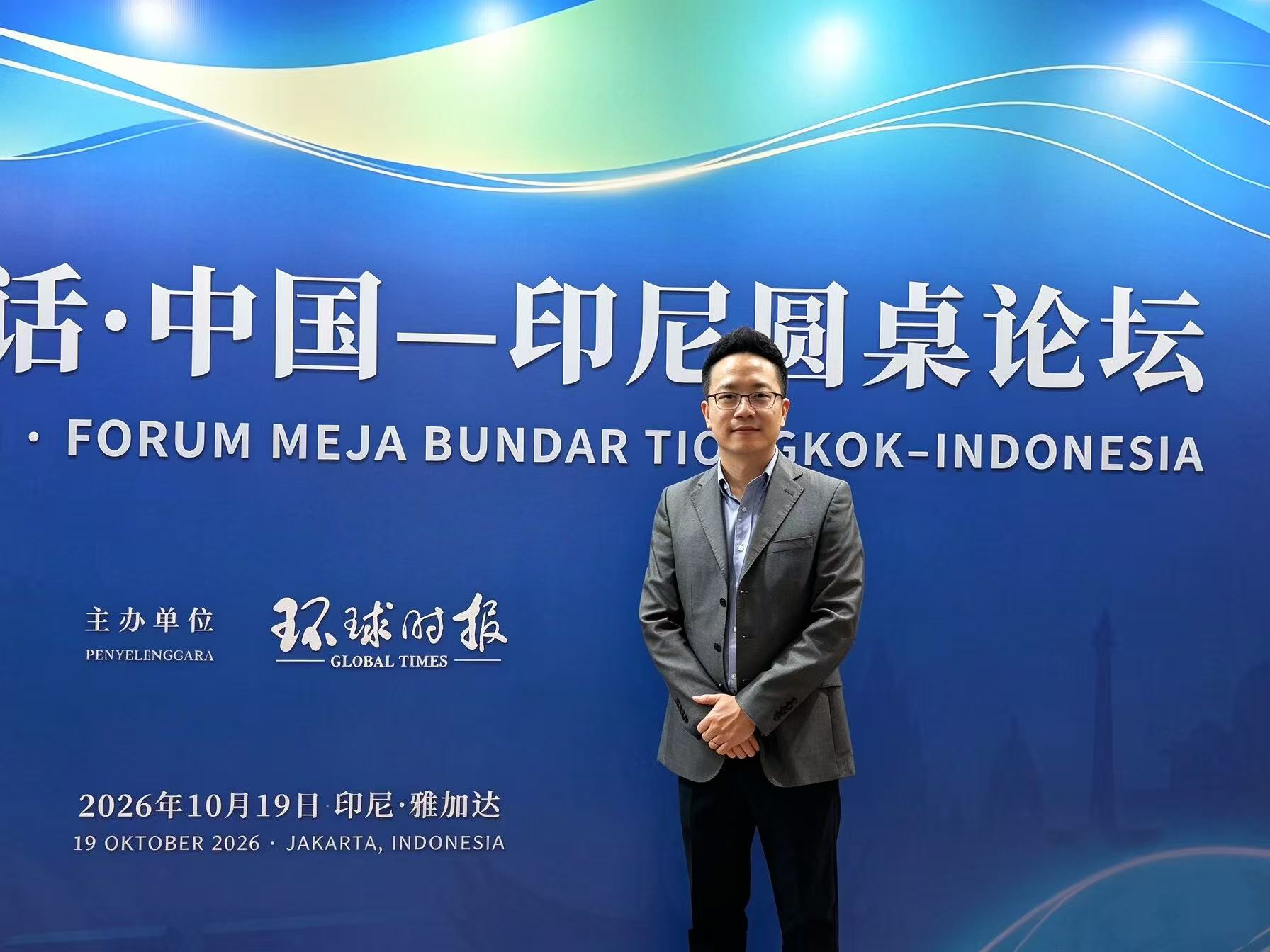
CEO Zhang Feng attends the Global South Dialogue: China-Indonesia Roundtable in Jakarta, Indonesia, on October 19, 2026. Photo: Courtesy of Guangdong-based snackmaker Jintan Ltd
Guangdong-based snack maker Jintan Limited plans to invest in Indonesia with local partners, bringing together its food manufacturing capabilities and intellectual property (IP) operations to explore new opportunities for consumer products and cultural exchange, CEO Zhang Feng said at a forum in Jakarta on October 19.
Speaking at the Global South Dialogue: China-Indonesia Roundtable, hosted by the Global Times on October 19, Zhang outlined an approach combining local partnerships, respect for cultural traditions and cooperation with Indonesian creators.
"We will invest here together with local partners. That is our vision," Zhang said.
Zhang explained that Jintan combines snacks with IP-themed gifts, offering children and teenagers an additional experience alongside everyday food consumption.
At the forum, Zhang emphasized the manufacturing foundation supporting this model. The company operates five production bases in China, with capabilities spanning candy and other snack categories, he said.
Established in 2011, Jintan is a pioneer and leading company in China's IP-themed snack segment, Zhang said. Its products cover candy, biscuits, puffed snacks, chocolate and seaweed snacks, combining everyday food consumption with licensed characters popular among children and teenagers.
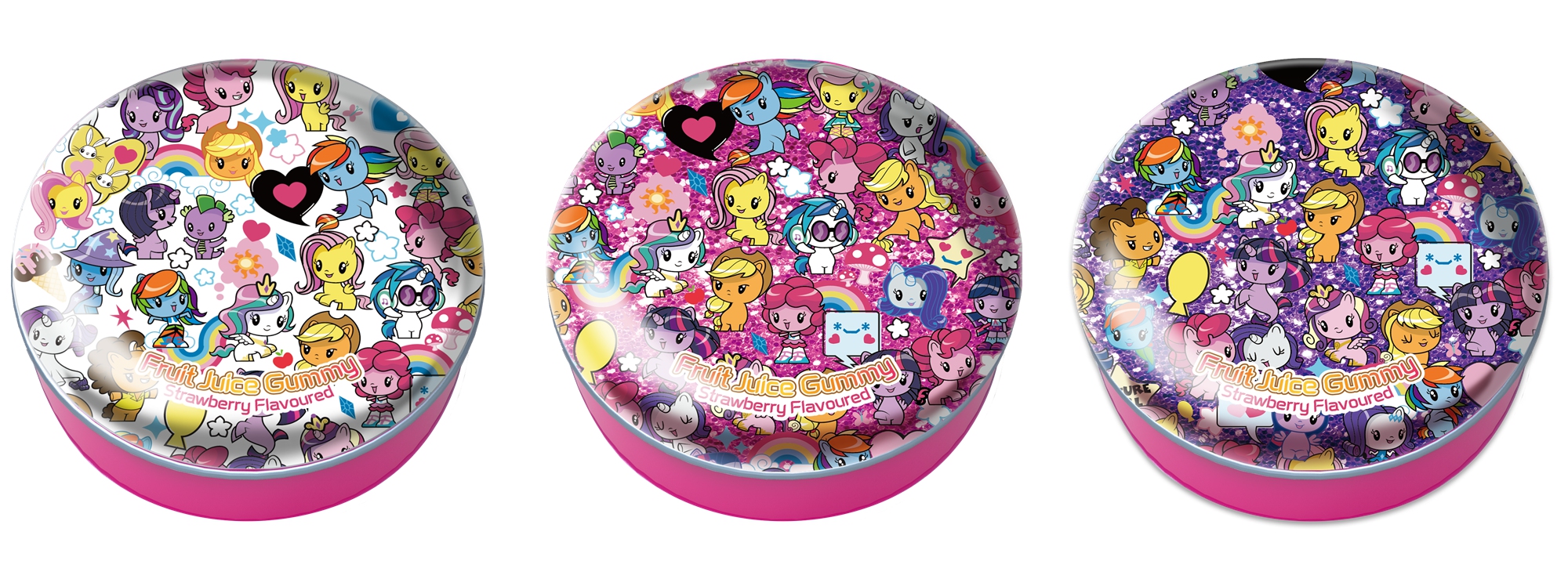
Jintan’s Fruit Juice Gummies Photo: Courtesy of Jintan Limited
According to information provided by the company, its portfolio includes 26 licensed IP properties and more than 600 active stock-keeping units, making it one of the largest licensed IP portfolios in the domestic market. The company also continues to develop its own original IP, Zhang added.
China's IP-themed snack market is projected to expand at a compound annual growth rate of 20.9 percent from 2025 to 2029, reaching 30.5 billion yuan by 2029, according to Frost & Sullivan forecasts cited by the company. The projected growth rate is about 3.2 times the approximately 6.5 percent forecast for the broader snack market. The segment's rapid growth reinforced his confidence in domestic and overseas expansion and provided an industrial foundation for bringing the company's experience to overseas markets, said Zhang.
The international market also offers a sizable commercial opportunity for IP-based consumer products. Global sales of licensed merchandise and services reached $389.8 billion in 2025, up 5.45 percent year-on-year, according to the Licensing International's 2026 Global Study. Within that market, character and entertainment properties generated $161.8 billion in retail sales, an increase of 8 percent, with anime and video games contributing to growth.
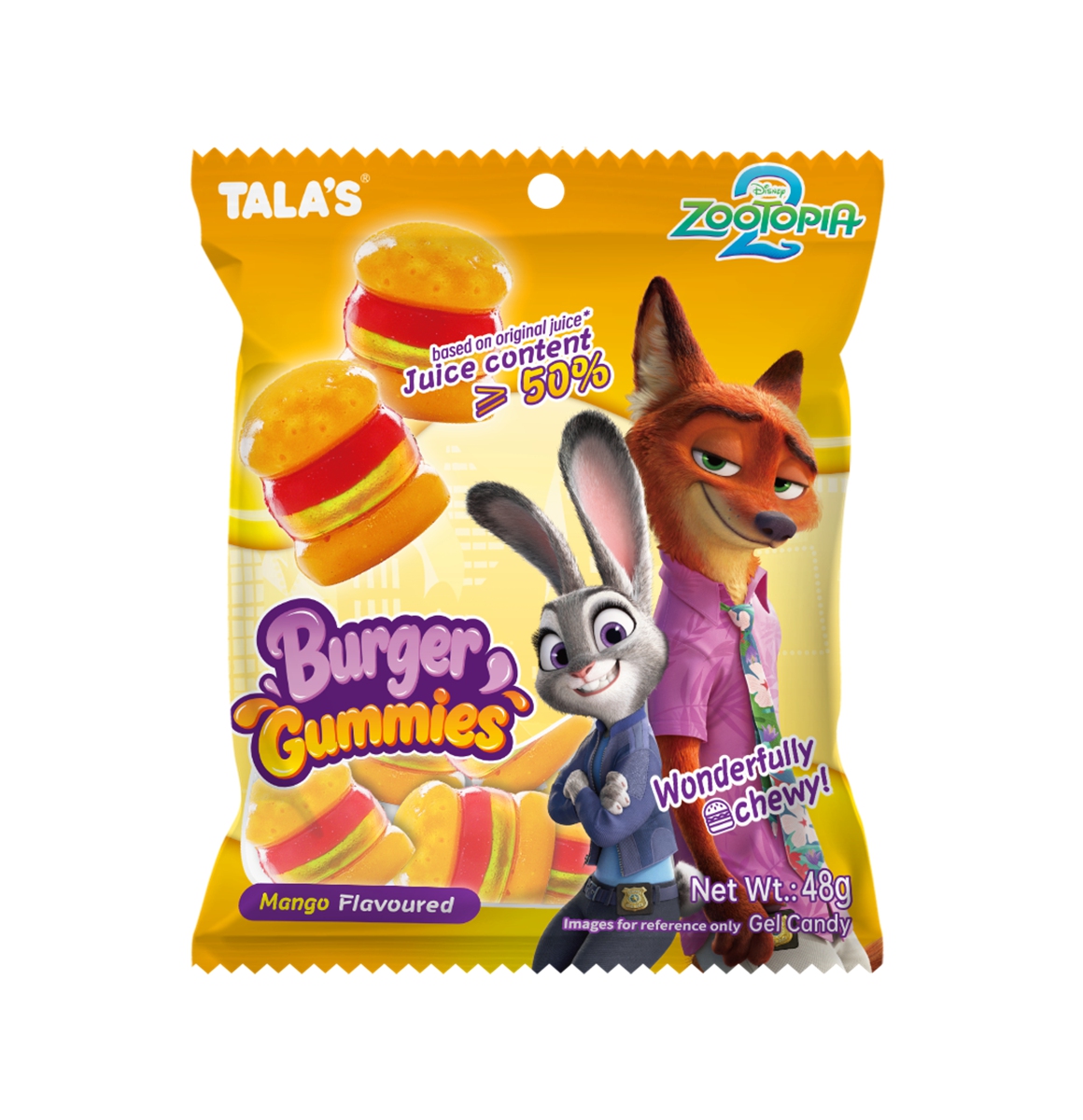
Jintan's Burger Gummies Photo: Courtesy of Jintan Limited
That breadth also supports efforts to diversify beyond individual franchises. While Ultraman has been an important part of its business, Jintan has continued adding properties, including Sanrio and Chiikawa in 2024, followed by Disney and Eggy Party in 2025.
Jintan says it operates quality controls covering raw materials, production and finished products, alongside supplier assessments and consumer complaint handling.
Zhang brings experience across multinational consumer goods companies, digital platforms and Chinese snack businesses. His previous roles include senior positions at Procter & Gamble and Mars Wrigley China, responsibility for the fast-moving consumer goods and retail sector at Ant Group, and oversight of China sales and overseas operations as a vice president of Weilong Delicious Global Holdings.
In Indonesia, he said Jintan hopes to combine its product development, supply chain management and distribution capabilities with local industrial resources. Respect for local religious practices and customs, including halal certification compliance, will be central to its strategy.
Cooperation could also help Indonesian creators commercialize their work through snack products, Zhang said, citing Bumilangit as an example of local creative resources. He stressed the need to respect and protect local creators' rights to tell their own unique stories.
"IP has no borders, but positive values are the real passport," he said.
The proposed approach gives practical expression to the forum's discussion of development that benefits local communities: cooperation would connect manufacturing and commercial capabilities with local creativity, while opening channels for cultural exchange.
Jintan intends to continue expanding its licensed IP portfolio and upgrading its supply chain as it explores overseas markets. Zhang envisaged Chinese characters such as Nezha and Boonie Bears reaching Indonesian consumers, while Indonesian characters could become better known in China.
"A small bag of snacks can connect the cultural symbols of both countries," Zhang said.
RELATED ARTICLES