BRASIL 247 / MORE
Chinese investors step up interest in Brazilian companies after Lula's reelection: report
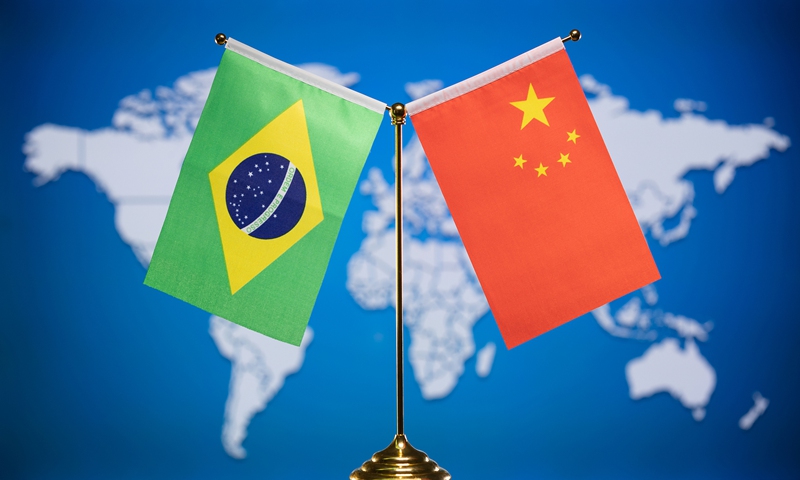
Photo: CFP
Chinese investors have renewed their interest in mergers and acquisitions in Brazil following the reelection of President Luiz Inácio Lula da Silva. According to a report by outlet Folha de S.Paulo, head of investment banking at Bradesco BBI André Moor said the election result has reinforced expectations of a more favorable political environment for economic relations between Brazil and China.
The renewed interest, also reported by Brasil 247, comes as Chinese companies expand their presence in major sectors of the Brazilian economy. One of the most significant recent transactions involved Chinese investors acquiring control of CSN Cimentos, creating the country's second-largest cement producer, behind Votorantim. Bradesco BBI does not view this expansion as a systemic concern, noting that Chinese companies compete with domestic and international groups under existing market conditions.
According to the investment bank, Chinese buyers follow a disciplined approach to acquisitions, conducting detailed valuations and carefully assessing financial risks. Their investment decisions are guided by long-term returns rather than a willingness to pay high prices to secure strategic assets.
Foreign investment in Brazilian companies has remained strong since the election, reflecting continued interest among international investors seeking to diversify their portfolios. The bank considers Brazil an attractive destination for long-term capital, supported by its geopolitical position and the availability of investment opportunities across several industries.
Brazil's geopolitical position attracts global investors
Bradesco BBI believes Brazil occupies a favorable position in the international investment landscape, benefiting from geopolitical developments and opportunities in its domestic market.
Evidence of growing international interest can be seen in the bank's upcoming investor conference in New York, which is expected to attract a record 250 participants.
The growing demand for Brazilian assets comes despite continued uncertainty surrounding the country's fiscal outlook. Investors remain attentive to government spending, public finances and the direction of economic policy over the coming years.
Within this environment, international buyers are particularly interested in high-quality companies with strong operational performance, limited financial risks and predictable cash flows.
These businesses, often described as "trophy assets," may become available when large corporate groups restructure their operations or sell holdings to reduce debt.
One example is Cosan, which has been pursuing asset sales as part of its efforts to strengthen its financial position and lower indebtedness.
Such transactions have created opportunities for international investors seeking exposure to established Brazilian businesses. Infrastructure, energy, sanitation and oil are among the sectors attracting attention from global investment funds.
Interest rate outlook remains crucial for Brazil's capital markets
While mergers and acquisitions remain active, Brazil's equity capital markets continue to face uncertainty over fiscal policy and the future direction of the benchmark Selic interest rate.
Bradesco BBI expects the Selic rate to decline by one percentage point during 2027, reaching 12.75% annually. This forecast is more optimistic than prevailing market expectations, which anticipate that the rate will remain at 13.75%.
A more substantial reduction in borrowing costs could help revive share offerings on Brazil's B3 stock exchange, including initial public offerings and follow-on transactions by publicly listed companies.
Bradesco BBI currently forecasts approximately 10 secondary equity offerings in 2027. That number could double if economic conditions allow the Central Bank to pursue more substantial interest rate cuts.
Lower financing costs would improve conditions for companies seeking to raise capital and potentially encourage investors to increase their exposure to Brazilian equities.
Moor believes a more favorable environment for capital markets will also depend on the federal government's ability to strengthen investor confidence in its commitment to fiscal responsibility.
For Chinese investors, Brazil's political outlook and the availability of strategic assets have already contributed to renewed acquisition activity. The broader recovery of the country's equity issuance market, however, remains closely linked to expectations for interest rates and fiscal policy.
(Reported by Brasil 247 on November 10, 2026)
