BUSINESS / PRESS RELEASE
‘Talent before strategy:’ Chinese think tank Talent Wins Solutions decodes how enterprises can take root in overseas markets
"For Chinese firms going abroad, the first step is not to draft strategy, but to identify the right people," a Beijing-based think tank founder said at a forum in Jakarta, Indonesia. Chinese companies expanding into Southeast Asia often stumble not because of wrong strategy, but because of poor preparation, the veteran corporate advisor said, urging firms to "identify the right people before mapping out the strategy."
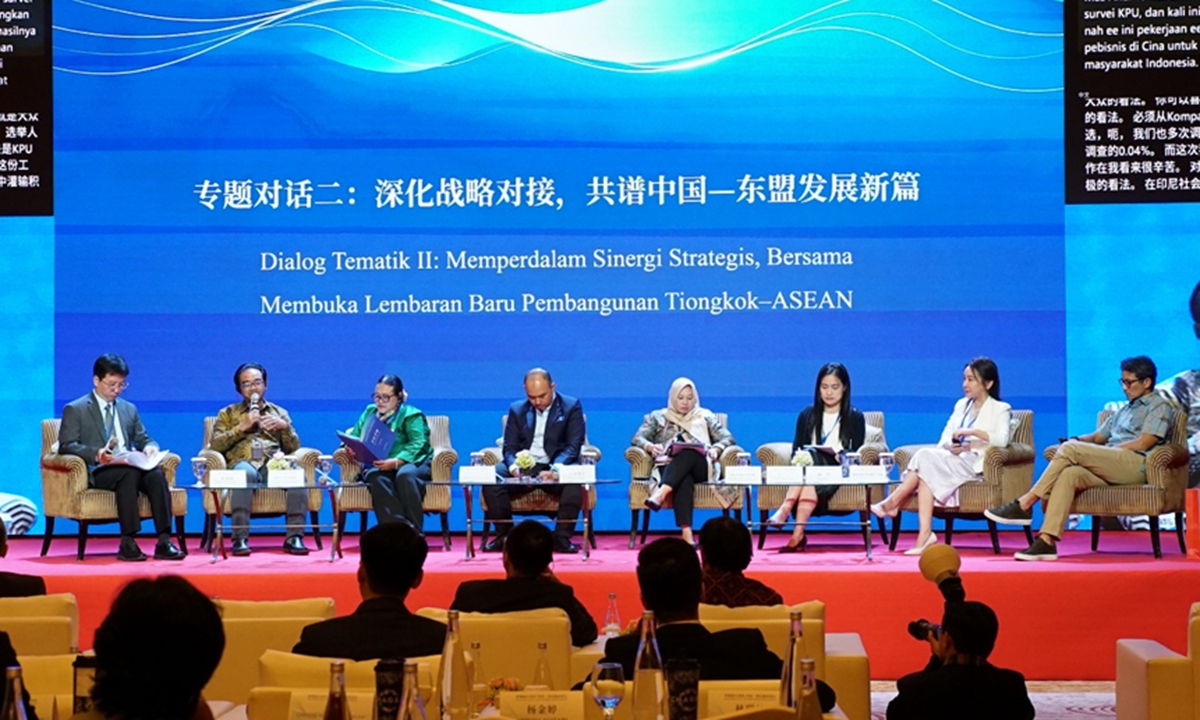
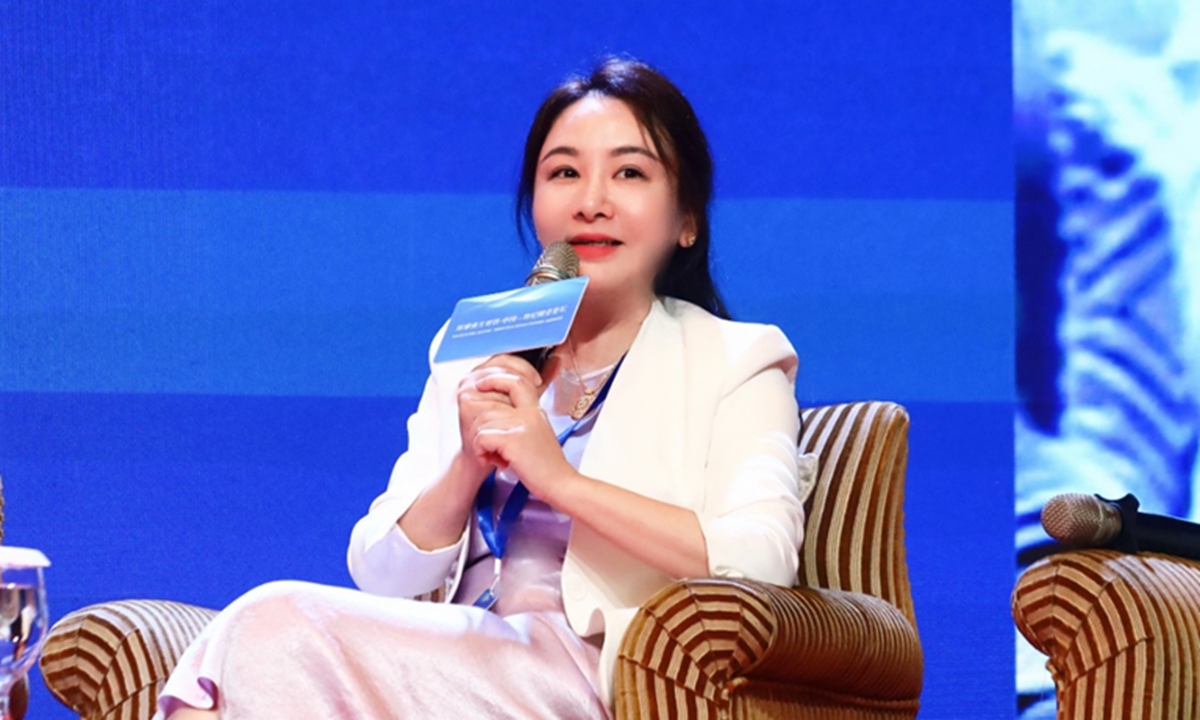
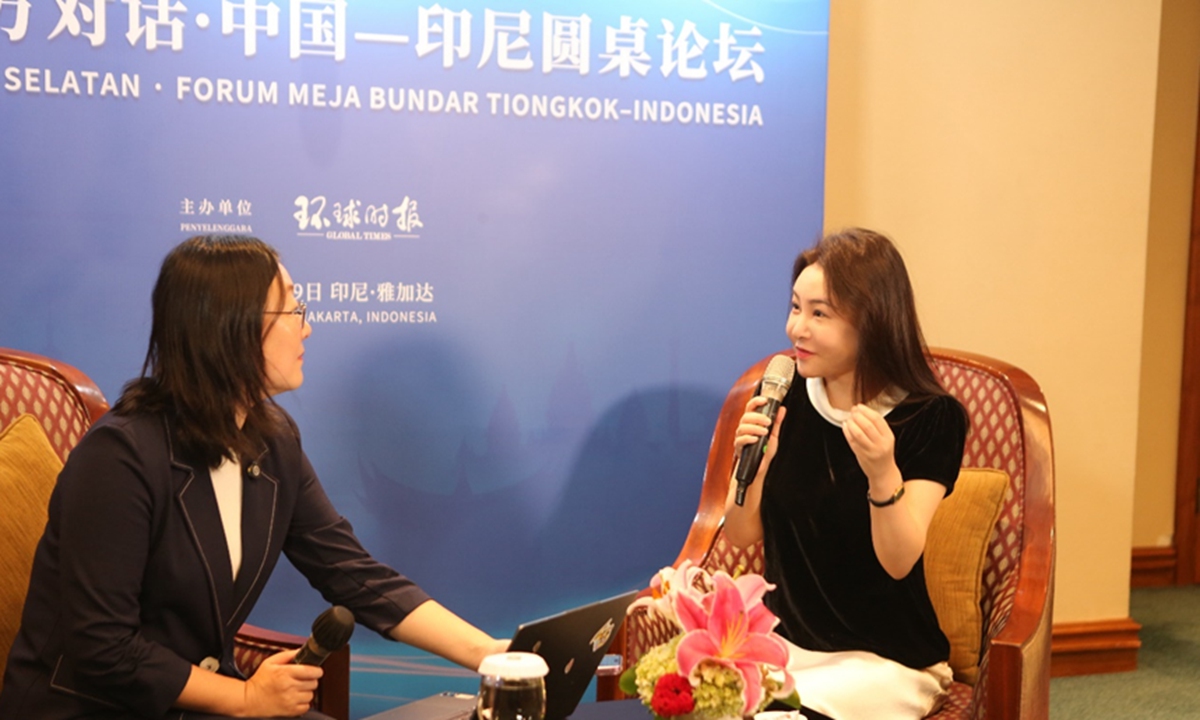
At the "Global South Dialogue: China-Indonesia Roundtable Forum" held in Jakarta on October 19, Beijing-based think tank Talent Wins Solutions (TWS) founder Winni Wei shared frontline observations drawn from more than a decade of advising over 200 new-economy unicorns on how Chinese companies can expand overseas - with a focus on talent, organization and market entry.
Wei said many Chinese companies underestimate the preparation required for overseas expansion. Too often, firms take a business model developed for the domestic market, send a team abroad and expect it to work in Southeast Asia - only to run into mismatched products, organizational friction and market confusion, Wei said.
"The first step is to understand people before making the plan," Wei said, arguing that companies should first meet with those who have "fought real battles" in the target market, including those who have also experienced failure. Only then, she said, can decision-makers better assess the local competitive landscape, policy environment and product fit before choosing a strategy.
This approach, she noted, is at the core of TWS' methodology.
Before a company finalizes its overseas strategy, Wei suggested, its top decision-makers should first learn directly from seasoned local operators and market veterans. " Sometimes restraint is another form of wisdom," Wei said, citing a skincare company that wanted to expand into Southeast Asia but decided to make a strategic retreat after TWS tapped its expert network to assess market fit.
This is TWS' core strength: an extensive global network and extensive experience drawn from cases enable the company to help businesses identify and connect with the right nodes and the right people - and to make the right decisions at critical moments.
Drawing on a decade of accompanying Chinese companies as they expanded into emerging markets including Indonesia, Wei summarized three broad patterns of "mobility" in overseas expansion.
The first involves the movement of managers and business models. This approach suits companies whose business models are already mature and highly replicable. Wei cited a restaurant chain that had already established an efficient operating model in China. By sending its core management team overseas and adapting its domestic experience to local conditions, the brand was able to expand step by step. "There is no mystery here," Wei said. "It's all about execution."
The second involves the movement of entrepreneurs. This approach is better suited to new industries or markets where no similar business model exists yet. In such cases, Wei said, sending a professional manager is often not enough. Instead, companies should find someone who truly understands the local market and give that person a clear model to build the business.
She pointed to Chinese companies such as Didi, which have expanded into Latin America, as examples of another lesson: when transferring a successful Chinese model overseas, firms should not rely only on dispatching staff from headquarters, but should also encourage local entrepreneurs to lead market development.
The third involves the movement of technical talent. This applies to sectors where China has strong research and development capabilities. In essence, it is "product going global," where the key is not a business model, but on technology and product standards. Companies should bring R&D capabilities and technical standards to local market while also developing local technical teams, creating a two-way exchange.
"There is no single correct answer," Wei said. "It depends on four factors: the business model, the stage of the business, the product, and the target market."
Wei distilled three lessons for Chinese firms going global. First, do not simple copy other companies' success stories - learning from Huawei or TikTok does not mean their solutions will work for your question. Second, meet the right people before setting strategy, and learn from the experiences of companies that entered the market earlier. Third, enter new markets in a cost-effective and flexibly - through distribution channels, joint ventures, mergers and acquisitions, or key partnership nodes - rather than only sending in your own teams. "Entering an unfamiliar market can take many forms in the early stage," she said.
According to Wei, TWS' role in supporting firms' overseas expansion is built on three capabilities: precise data collection, efficient resource linkage and continuous refinement of understanding.
Since 2023, the think tank has established research partnerships with institutions including Peking University's National School of Development, and Wei expressed hope of establishing similar partnerships with Indonesian universities and research institutes.
"This is not simply 'serving,' we hope to 'co-build,'" she said, noting the goal extends beyond serving Chinese companies to promoting industrial research and expert exchange between China and Indonesia.
Asked about her advice to Chinese firms going global, Wei said two questions matter most before any overseas expansion: whether a product fits the target market, and how well the company truly understands that market. If a company decides to expand its presence after testing the waters, its founders must visit the market in person - "firsthand insight is irreplaceable."
"The globalization of Chinese companies is still at an early stage," Wei said. "We hope to help more companies avoid pitfalls, go global steadily, build a positive international influence, and set a good example for the next generation of entrepreneurs."
Global Times
At the "Global South Dialogue: China-Indonesia Roundtable Forum" held in Jakarta on October 19, Beijing-based think tank Talent Wins Solutions (TWS) founder Winni Wei shared frontline observations drawn from more than a decade of advising over 200 new-economy unicorns on how Chinese companies can expand overseas - with a focus on talent, organization and market entry.
Talent Wins Solutions (TWS)
Wei said many Chinese companies underestimate the preparation required for overseas expansion. Too often, firms take a business model developed for the domestic market, send a team abroad and expect it to work in Southeast Asia - only to run into mismatched products, organizational friction and market confusion, Wei said.
"The first step is to understand people before making the plan," Wei said, arguing that companies should first meet with those who have "fought real battles" in the target market, including those who have also experienced failure. Only then, she said, can decision-makers better assess the local competitive landscape, policy environment and product fit before choosing a strategy.
This approach, she noted, is at the core of TWS' methodology.
Before a company finalizes its overseas strategy, Wei suggested, its top decision-makers should first learn directly from seasoned local operators and market veterans. " Sometimes restraint is another form of wisdom," Wei said, citing a skincare company that wanted to expand into Southeast Asia but decided to make a strategic retreat after TWS tapped its expert network to assess market fit.
This is TWS' core strength: an extensive global network and extensive experience drawn from cases enable the company to help businesses identify and connect with the right nodes and the right people - and to make the right decisions at critical moments.
Talent Wins Solutions (TWS)
Drawing on a decade of accompanying Chinese companies as they expanded into emerging markets including Indonesia, Wei summarized three broad patterns of "mobility" in overseas expansion.
The first involves the movement of managers and business models. This approach suits companies whose business models are already mature and highly replicable. Wei cited a restaurant chain that had already established an efficient operating model in China. By sending its core management team overseas and adapting its domestic experience to local conditions, the brand was able to expand step by step. "There is no mystery here," Wei said. "It's all about execution."
The second involves the movement of entrepreneurs. This approach is better suited to new industries or markets where no similar business model exists yet. In such cases, Wei said, sending a professional manager is often not enough. Instead, companies should find someone who truly understands the local market and give that person a clear model to build the business.
She pointed to Chinese companies such as Didi, which have expanded into Latin America, as examples of another lesson: when transferring a successful Chinese model overseas, firms should not rely only on dispatching staff from headquarters, but should also encourage local entrepreneurs to lead market development.
The third involves the movement of technical talent. This applies to sectors where China has strong research and development capabilities. In essence, it is "product going global," where the key is not a business model, but on technology and product standards. Companies should bring R&D capabilities and technical standards to local market while also developing local technical teams, creating a two-way exchange.
"There is no single correct answer," Wei said. "It depends on four factors: the business model, the stage of the business, the product, and the target market."
Wei distilled three lessons for Chinese firms going global. First, do not simple copy other companies' success stories - learning from Huawei or TikTok does not mean their solutions will work for your question. Second, meet the right people before setting strategy, and learn from the experiences of companies that entered the market earlier. Third, enter new markets in a cost-effective and flexibly - through distribution channels, joint ventures, mergers and acquisitions, or key partnership nodes - rather than only sending in your own teams. "Entering an unfamiliar market can take many forms in the early stage," she said.
Talent Wins Solutions (TWS)
According to Wei, TWS' role in supporting firms' overseas expansion is built on three capabilities: precise data collection, efficient resource linkage and continuous refinement of understanding.
Since 2023, the think tank has established research partnerships with institutions including Peking University's National School of Development, and Wei expressed hope of establishing similar partnerships with Indonesian universities and research institutes.
"This is not simply 'serving,' we hope to 'co-build,'" she said, noting the goal extends beyond serving Chinese companies to promoting industrial research and expert exchange between China and Indonesia.
Asked about her advice to Chinese firms going global, Wei said two questions matter most before any overseas expansion: whether a product fits the target market, and how well the company truly understands that market. If a company decides to expand its presence after testing the waters, its founders must visit the market in person - "firsthand insight is irreplaceable."
"The globalization of Chinese companies is still at an early stage," Wei said. "We hope to help more companies avoid pitfalls, go global steadily, build a positive international influence, and set a good example for the next generation of entrepreneurs."
Global Times
