Singapore’s middle class greenhouse under threat from migration
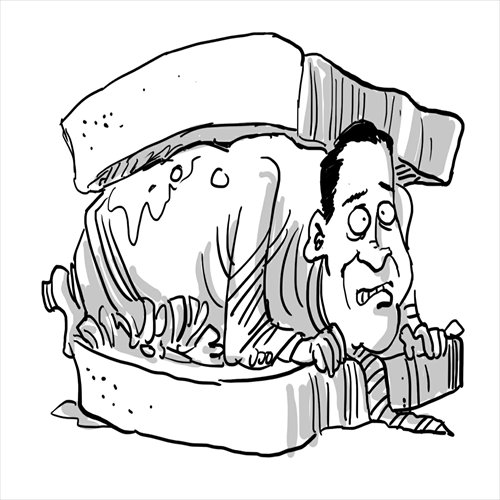
The middle class is seen as sandwiched between the rich and poor, unable to climb the ladder further but without access to welfare subsidies provided by the government. Their position is even more insecure in difficult economic times, since middle management and white-collar workers are often laid off first.
But Singapore's middle class is a special case, since it also enjoys substantial subsidies. The public housing policy is a prominent example.
In the vast majority of countries, public housing is limited to the poor. But under the generous public housing policy in Singapore, more than 90 percent Singapore citizens have the qualifications to buy Housing and Development Board (HDB) apartments with a price far below the market value, leaving only the affluent ineligible.
While public housing might be associated with a lack of the middle class lifestyle in other countries, in Singapore the HDB apartments are relatively luxurious. Many flats have three to four bedrooms, two toilets and bright and spacious living rooms. And the government also puts efforts into renovating and maintaining the apartments.
The HDB flat I rent has been renovated recently. Pipelines and wires in toilets and kitchens have been changed, the house has been re-tiled, and a commode and shower facilities as well as a completely new security door have been installed. The project is subsidized by the government and my landlord only needs to bear one-tenth of the renovation costs.
Similar welfare policies have established a greenhouse for middle classes in Singapore and saved them from the normal woes. Singapore has been called "the air-conditioned nation."
The term indicates that under the government's effective central regulation and control, people's material lives have been improved greatly. However, this metaphor also raises the question of whether the policies are ultimately sustainable, just as the use of air conditioning has led to unsustainable global warming.
In fact, the demonstrations against foreign immigrants in February were a challenge to Singapore's development model. For a long time, the Singaporean government has tried to attract international talent through generous welfare benefits, so as to establish Singapore's superiority of talent and attract international investment.
However, with the arrival of new immigrants, the middle class in Singapore has been under greater pressure. Higher costs of living and unchanged salary levels make many people want to use their votes to force the government to change its immigration policy.
Many scholars have pointed out that after the founding of the country, the number of outstanding skilled workers and university graduates fluent in English cultivated by Singapore has been far ahead of neighboring countries.
This advantage has attracted international investors. However, with the development of neighboring countries, Singapore's superiority in talent is becoming weaker.
Indeed, restrictions on immigration can reduce domestic competition and provide the middle class in the greenhouse with a breathing spell. However, in the long run, similar policies will also force investors to turn to other talent highlands and the running of the greenhouse will be difficult to sustain. The middle class may have to work harder to sustain their own Eden.
The author is a doctoral scholar at the Department of Political Science at the National University of Singapore. opinion@globaltimes.com.cn