Allergic to Beijing
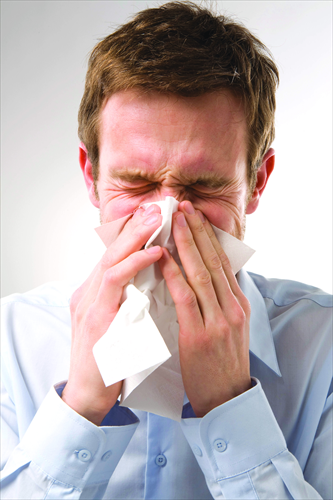
Seasonal allergens floating around Beijing are nothing to sneeze at for newly arrived expats. Photo: IC
It's common for exchange students to have itchy feet about heading to a new country, although Lydia Botero literally felt the urge to scratch during her first week in Beijing last month. The 38-year-old Colombian student with a master's degree suffered dry eyes and an itchy face, which developed hives after just a few days in the city.
"I started to scratch a lot and [my face] started to appear red. I also had very itchy eyes along with the hives. I didn't know what it was. After some days it got a bit better, but [the hives] soon broke out again," she said.
Botero is one of many people whose allergies flare up during autumn when there are more allergens from plants in the air.
Struggles to adapt to Beijing
Dr Richard Saint Cyr, a physician of family medicine at Chaoyang district private hospital United Family Healthcare, noted autumn often results in an influx of patients suffering allergic reactions.
"Usually spring is much worse, but for some reason this year in Beijing ... more people have come in due to sneezing and itchy eyes," he said.
Saint Cyr predicted a lengthier autumn for Beijing this year, which isn't welcome news for those who suffer from allergies.
"We're having a longer, nicer autumn. This means more time for grass and pollen, which means more time for allergies caused by pollen and other articles in the air," he said.
Botero has never pinpointed the cause of her allergies, but she has ruled out food and cosmetics because she has maintained the same diet from when she studied in Denmark prior to arriving in Beijing.
She is hesitant to see a doctor due to concerns about the language barrier. Instead, she has tried to manage her allergies by applying moisturizer more often to prevent dryness and using eye drops to relieve redness.
"I think [the symptoms] might be associated with the dust and pollution outside," Botero said of her allergies. "I've recently started to spend more time indoors because I have begun studying harder, and I haven't had as many problems."
Dr Ibrahim Salahat, medical director of the International Medical Center Beijing, a private clinic that caters to expats, said that newly arrived foreigners in Beijing are often vulnerable to allergic reactions triggered by local food and the environment.
"Such allergies can affect anyone living in Beijing, but foreigners who have just moved to Beijing seem to be the most affected ones among all expats. This is largely due to the fact that they are not used to heavy pollution," he said.
Salahat noted some medical conditions, including asthma, chronic bronchitis and seasonal allergies, might worsen upon relocating to Beijing.
"Most people affected are those coming from countries with clean air and blue sky, which is rare in Beijing," he said. "Elsewhere, most people who can be easily hit by allergies have known allergy histories, asthma, respiratory tract diseases or other chronic or underlying diseases."
Helping and hindering allergies
Dr Michael Couturie, an internal medicine physician at International SOS Beijing Clinic, noted the city's environment can aggravate symptoms suffered by people whose allergies are mild in their native countries.
"This may be due to more exposure, but it may also be due to changes in the environment that can make a person more sensitive to allergens," he said. "Cold, dry weather, for example, can worsen allergy symptoms among some people. High levels of particulates in the air can also make symptoms worse."
For expats from cities with better public hygiene and cleaner air than Beijing, being exposed to pollutants and bacteria can sometimes reveal new allergies, said Dr Wang Yan, head of the Internal Medicine Department at private hospital Oasis International.
Wang added that expats who contract these and other allergic reactions in Beijing are more likely to suffer symptoms because they lacked prior awareness about avoiding certain types of food or mosquitoes.
But Wang also said that it might be the other way around, with some people thriving in China due to fewer certain allergens.
"One British patient told me he no longer suffers from his pollen allergy because Beijing doesn't have the type of pollen he is allergic to," Wang said.


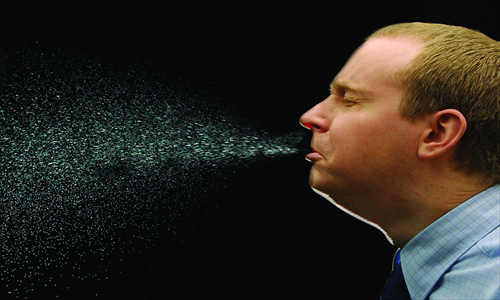
Pollen, shellfish and cooking oils that contain traces of nuts make Beijing a hazardous environment for people with allergies. Photos: CFP
Food for thought
The Beijing News reported in 2011 that a local survey of nearly 4,000 people aged between 15 and 24 found about 4 percent suffer food allergies, with three-quarters of these related to nuts, soybeans, milk, egg, fish, shellfish and wheat.
"Shellfish, like shrimp, crab and lobster, and peanut allergies can be very serious. I see a lot more adverse reactions to seafood here in Beijing than I did in the US," said Saint Cyr.
"You should only buy the freshest seafood, but it's sometimes difficult in Beijing because it is far from the ocean," he said.
Couturie said that one of the problems for people with food allergies who are new to Beijing is stating their dietary requirements. Knowing what is in a dish and how it is prepared is critical to avoid a potentially fatal reaction.
"It can be difficult to let restaurant staff know that you have an allergy to peanuts, especially if you don't speak Chinese. Interpreting a menu in Chinese can be a challenge even when one does speak the language," Couturie said. "This is especially difficult with peanut and soy allergies, as they are both widely used in Chinese cooking."
Saint Cyr echoed this sentiment, noting it can be harder to determine the contents of food in China.
"In America, often it's very clear if something has peanuts in it because usually there is a warning on the packaging," he said.
Coping with allergies
The best form of defense against allergic reactions is protection, which Couturie says means masking up on polluted days and keeping eye drops handy. "It is difficult to evade airborne allergens like dust and pollen, but certainly a mask can help. For people with itchy, watery eyes, using saline eye drops to wash the eyes of allergens throughout the day can help," he said.
All doctors interviewed by Metropolitan agreed that the best way to deal with mild allergic symptoms is to carry common over-the-counter anti-allergy drugs, such as loratadine.
For people with a history of severe or dangerous allergic reactions that might involve difficult breathing, having an EpiPen, or a syringe pre-filled with epinephrine, could mean the difference between life and death.
"Anyone with a history of severe allergies should always carry around an EpiPen just in case," advised Saint Cyr.
Five tips to control autumn allergies
Monitor daily air quality and pollen reports.
Stay indoors on polluted days.
Wear a mask and carry eye drops if you must be outdoors on polluted or high-pollen days.
Shower after returning from outdoors to wash away accumulated pollen and other particulates.
Keep home surfaces clean and items uncluttered to prevent dust mites.
Source: International Medical Center Beijing
Daniel Hockenberry contributed to this story