Celebrities’ privacy zone extends online
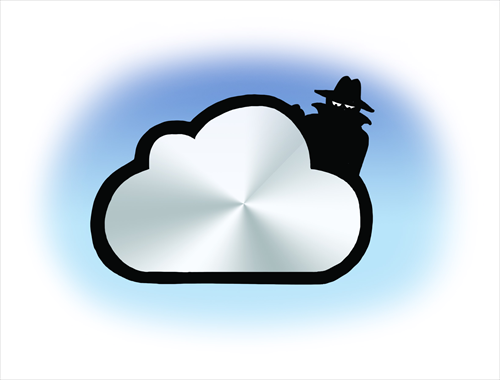
Illustration: Liu Rui/GT
The recent data breaches involving celebrity data and photos stored on Apple's iCloud data storage service has resulted in an active debate about the importance of effective computer security. However, another debate involves the question of how much privacy these celebrities should expect. Some point out that a profession that thrives upon publicity can hardly complain about becoming the focus of attempts to violate their privacy.
For celebrities, publicity is life. In many cases, they use publicity, both official press releases and unofficial rumors and photos to promote themselves to the public. Indeed, there is an entire industry of celebrity gossip magazines and paparazzi photographers dedicated to keeping a celebrity in the public eye.
As public figures, they have consented to a greater intrusion into their privacy than other individuals have. To many observers, the angry statements from the victims of this data breach sound cynical and self-serving, coming as they do from individuals who have often courted such publicity.
However, this case is different from the typical issues, because this information was never intended to become public. Indeed, the very existence of a password protected account shows that the celebrities in question were seeking to protect their data, the same principle that would prevent paparazzi from breaking into an actor's home to obtain a photo.
Equally, these files are no more public than confidential papers in a safe or other secured location. By this standard, there is no question that a crime has been committed.
There is also the question of what other information was obtained in this data theft. Although photographs may lead to Internet infamy, the victims may have also stored financial, personal and legal information on their accounts that could be far more damaging to their lives if and when it is released. Even if such information is never leaked to the public, the victims will have to take extensive and inconvenient measures to protect themselves from any future losses due to this data breach.
This data breach will victimize family members and friends of the celebrities in question. In this case, the celebrities' fame or lack thereof is irrelevant to the fact that other individuals who are not public figures have had their private affairs shown to the entire world.
Fundamentally, every individual is supposed to have the right to keep certain aspects of their lives private. Celebrities have a smaller "zone of privacy" than other individuals do, but they still have the right to be secure in those areas that they have chosen to keep private. However spicy they may be, personal pictures that were taken with no intent to share publicly should remain private. To do otherwise not only harms the life of the celebrity in question, but may very well harm society as a whole.
In the Internet era, the idea of privacy is under increasing assault. When nearly any private citizen can avail him or herself of intelligence gathering tools that were once only available to national governments, the ability to launch intrusive and immoral attacks on an individual's private life is greater than ever before.
Whether it is a camera-enabled drone flying over a swimming pool or the use of hacking techniques to gain access to private data, the harm produced is a matter for serious concern.
The argument that the individuals in question should have protected their data better is true, but it is also incomplete. While a man who leaves his car unlocked is justifiably criticized should it be stolen, the thief cannot use that fact in his own defense.
The same should be the case for the intrusion into an individual's private affairs. While we can and should examine this event in order to protect against future breaches, the crime itself is not mitigated by any carelessness on the part of the victim.
There is no way to ensure that an individual's private data will remain inviolate. However, by developing a social consensus that an individual's right to privacy extends to their data as well as their physical person, we can help ensure that stealing and publicizing this data remains a socially unacceptable act, both on the part of the individuals who obtained it and those individuals who make use of it. Doing so will protect not just celebrities, but every individual who desires a right to keep his or her affairs out of the public eye.
The author is a political writer based in Southern California. jgray22a@gmail.com