
HOME >> METRO BEIJING
A universal tune
By Li Jieyi Source:Global Times Published: 2019/6/18 19:13:42
Nursery rhymes bring us back to our childhood
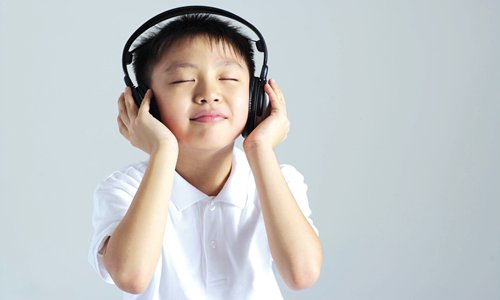
Children's music classics bring back precious memories for adults. Photo: IC
No matter when you were born or where you grew up, there might be several melodies that tugged at your heartstrings when you were a child. Nursery rhymes can serve as universal tunes that help us recall our sweet memories of childhood, as we grow older.
People from different countries and regions are familiar with the classics like "Edelweiss," "Jingle Bells" and "Twinkle Twinkle Little Star." Nursery rhymes contain their own unique language and accent.
Although the languages may be different, nursery rhymes are similar. They rhyme and are readable, which are easy for kids to have fun with and teach them simple concepts about life.
Childish tunes
"Nursery rhymes are all catchy and are repetitive, so you get the songs stuck in your head after listening to them several times," said 14-year-old Japanese-American Joe Graham. He sang one in Japanese named "Step On a Cat" and explained, "It tells a story that you stepped on a cat, which is sad because you stepped on it."
"We learned some Chinese nursery rhymes about Chinese cuisine in class, which is very interesting," said 15-year-old Mateo Munro, who is Graham's friend.
With simple beats and a funny plot, they are easy for kids to remember.
In China, there are some classic nursery rhymes that have affected several generations. Many of them are used in movies, which can be traced back to the 1950s with the song "Let Us Paddle the Twin Oars" in the film Flowers of the Motherland (1955). The song depicts a scene of several teenagers boating on the lake with pleasure.
"It's a song with a beautiful melody. Every time you listen to it, you can recall your childhood," said Zhou Qiuhong, a primary school teacher.
Memories matter
Nursery rhymes also teach children life lessons and bring them good memories about childhood, as they grow older.
"I remember the movies, cartoons and the vintage TV, it's really cool," said Andrei Yazvinski from Russia.
The 21-year-old man sees the song "Jingle Bells" as a reminder of his happy childhood.
For millennials, TV, radio and music may have been the main mediums for listening to nursery rhymes. When it comes to the new generations, however, things are different.
Music apps have replaced parents as nursery rhyme "teachers."
Parents today easily pick up pop songs from the internet or their surroundings, like shopping malls.
"I prefer songs for adults to nursery rhymes," said five-year-old Sun Yuchen. She is attracted to a song called "Xuemaojiao," which literally means "learning to meow like a cat." The song became a hit on short video platform Tiktok, which is also known as Douyin in China.
"It's very common," said Zhou. She views the phenomenon in a neutral way and thinks it's a characteristic of the internet era. "As a teacher, we hope there could be more outstanding songs for children with lyrics that reflect their lives and can be expressed from the heart," she said.
"When they grow up and talk about nursery rhymes like we do today, I'm afraid there might only be Douyin and the internet rather than TV or radio," said a woman surnamed Liu in her twenties.
RELATED ARTICLES:
Posted in: METRO BEIJING