
Chinese private kindergartens hit hard by COVID-19
By Huang Lanlan Source:Global Times Published: 2020/4/28 22:41:03
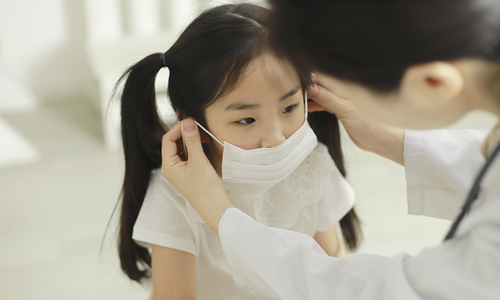
(photo: VCG)
Many private kindergartens in China, having closed for months amid the novel coronavirus (COVID-19) pandemic, are facing huge financial pressure and even the risk of bankruptcy.While most secondary schools have reopened for ninth and twelfth graders since Monday following the education authority's suggestion, numerous kindergartens across the country are anxiously waiting for a reopening permit after having suffered zero income for nearly four months.
Lao Sheng, owner of Qiya Kindergarten in Guangzhou, South China's Guangdong Province, said he has to continue paying the rent and his teaching staff's salaries during the kindergarten's closure since January, which has cost him over 300,000 yuan ($42,329) each month.
What makes Lao more stressed is that the end of this closure seems not in sight because of the pandemic. "I predict that we can't reopen until September," he told the Global Times Monday.
Having long been living beyond his means, Lao is considering transferring the kindergarten to others. "I can't hold on," he sighed.
According to a survey by the China Association for Non-Government Education, 60 percent of domestic private kindergartens said they can hardly stay in business amid the pandemic, Guangzhou-based Information Times reported on April 23.
Some kindergarten owners have to cut salaries or stop paying employees' wages to reduce their losses, the Global Times found.
Zeng Wenyi, owner of two kindergartens in Shaoyang, Central China's Hunan Province, said he paid each of his over 100 staffers 800 yuan per month apart from the regular social allowance during the pandemic closure.
Although the wage is much less than the normal salary of Zeng's kindergarten employees (2,000-3,500 yuan), it still brings Zeng a 150,000-yuan monthly loss together with rent - a big amount in an inexpensive inland city like Shaoyang.
Another kindergarten in Baoding, North China's Hebei Province, has been giving its 16 employees unpaid leave since its closure.
"We have too little money to pay them now," sighed the kindergarten owner Miao Ran (pseudonym), adding that she has to spend 18,000 yuan on rent, shuttle bus debt and virus-prevention items each month while having zero incomes.
The continuous loss has brought cash flow problems to many private kindergartens. Zeng told the Global Times that he would have to borrow money from banks if the closure goes on.
Miao's kindergarten is on the verge of bankruptcy, she said. "But even though I want to give it up and do something else, I have no initial funding," she added.
"I wish the government could give us subsidies to get through this hard time," Miao said.
The government is trying to offer a helping hand. The Ministry of Education released a notice on April 15 to call for financial support from regional governments to relieve the burden on local private kindergartens amid the pandemic.
Baiyun district in Guangzhou responded to this call by allocating 40 million yuan in assistance funds by mid-April, the local education authority said.
"We have provided this fund for the low-cost private kindergartens across this district without requiring them to apply for it in advance," an official with the Baiyun District Education Bureau surnamed Zhuo told the Global Times Monday.
In Guangzhou, low-cost private kindergartens refer to those charging kids no more than 1,250 yuan in tuition fees per month (meal and accommodation fees excluded), which are less profitable and suffer greater financial pressure amid the closure, Zhuo explained.
The fund can help kindergarten owners cover part of their costs on employees and facilities, including virus-control items, Zhuo said.
Like Guangzhou, governments in some other developed areas including Beijing and Shanghai have also made policies for private kindergartens, such as offering them subsidies, or reducing or exempting their rents, the Beijing Times reported on Sunday.
Nonetheless, many kindergartens in less developed regions have had less support.
Zeng said the Shaoyang government has provided almost no financial support during the closure of his two kindergartens. So far, he has only enjoyed some social insurance reductions.
"Lacking enough money, I'm afraid that many private kindergartens in this city may collapse after the pandemic, especially the small-sized ones with fewer than 100 kids," Zeng told the Global Times.
Posted in: SOCIETY