Beneath the skin
Beneath the skin
Action-fantasy epic struggles to paint vivid picture
Action-fantasy film Painted Skin: The Resurrection has lived up to its hype at the box office by smashing domestic records and claiming the biggest opening ever for a Chinese film. The year's most anticipated film boasts an all-star cast including Zhao Wei (Princess Jing), Chen Kun (Huo Xin) and Zhou Xun (Xiaowei), all stars of the silver screen in their own right.
Since its opening weekend on June 28, the film has raked in 500 million yuan ($78.5 million). While the financial success of the film is unquestionable, not all viewers have swooned to the unofficial sequel of Painted Skin (2008).
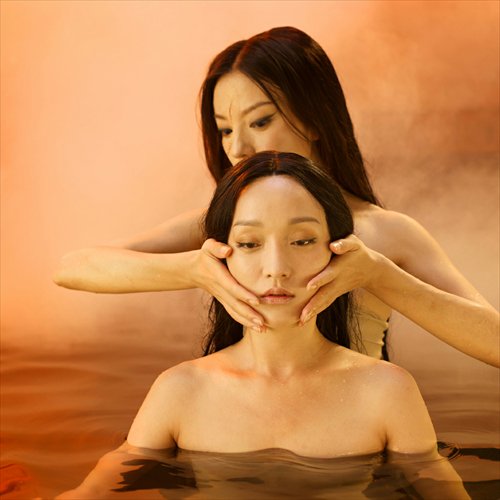
The latest 135-minute 3D offering from Wuershan revisits the story of fox demon Xiaowei and her attempts to become human. Xiaowei tempts Jing, a disfigured princess in love with General Huo Xin, to exchange her human heart for a flawless complexion with a devilish interior.
Upon sealing the deal, Jing acquires Xiaowei's immaculate appearance and demonic powers, while Xiaowei adapts to Jing's scarred face and human heart. But bliss doesn't await Xiaowei in her new royal form, as she learns she must marry the barbaric Tianlang tribe's prince.
As is often the case in Chinese cinema, an all-star cast and bumper box office takings aren't a guarantee for satisfaction from those who matter most - viewers.
Statistics from online movie database mtime.com show the film has only received six-and-a-half out of a possible 10 stars, while data from another online movie database, douban.com, reveals nearly half of 53,000 respondents who have seen the film gave it three out of five stars.
Differing from Painted Skin, of which the plot is based on well-known Chinese author Pu Songling's namesake ghost story, Painted Skin: The Resurrection is set in ancient China during an fictional dynasty.
The decision to incorporate the made up Tianlang barbarian tribe in the story is a brave gamble, but one that ultimately doesn't pay dividends. The grassland-roaming tribesmen are oddly portrayed more as Viking warriors.
Perhaps most bizarre is the tribe's ethereal wizard, who looks like a shaman straight out of fantasy video game Diablo III.
The filmmaker went to the trouble of devising a language for the tribe, which vaguely sounds like Hindi and is thankfully translated with subtitles. But a word of warning - don't expect it to compare in appeal to the elvish languages from J.R.R. Tolkien's The Lord of the Rings.
Tolkien's classic, which familiarizes its audiences with tribes' basic elements including race classes, creatures and magic are based on Western culture and therefore easier to grasp for Western audiences, similar to how kung fu films are easier for Chinese audiences to understand because of familiar references to notions such as chi (energy).
Painted Skin: The Resurrection misses the mark and falls into a cultural no man's land instead, squandering the chance to tap into abundant Chinese legends accumulated over 5,000 years of history.
A possible explanation for this could be the State Administration of Radio, Film, and Television's ban on ghosts and other supernatural beings being used in stories.
The absence of a film rating system in China means all movies shown at cinemas must be suitable for audiences of all ages, sidelining ghosts and spirits.
To counter this, many fantasy films have instead cast demons or devils - deemed as acceptable - in their place.
For this reason, Xiaowei, portrayed as a ghost in Pu's original story, is depicted as a fox demon in its modern-day cinematic versions.
Restrictions on content might have stifled the creativity of some filmmakers, but they have unexpectedly added to the appeal of other films that have employed special effects, including The Legend of Zu (2001), The Promise (2005) and It's Love (2011).