HOME >> METRO BEIJING
These hot pots are hot
By Li Lin Source:Global Times Published: 2014-11-27 19:03:01
Gourmands share their offbeat trends
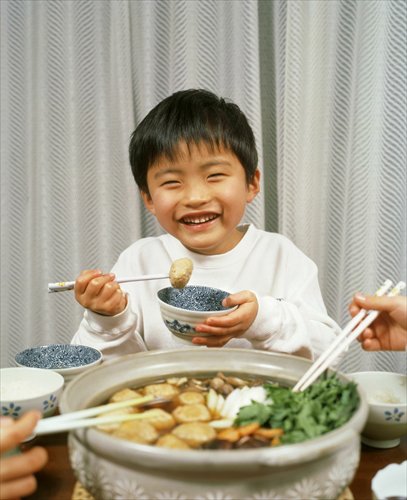
Unlike traditional hot pot's spicy and heavy characteristics, these unusual hot pots boast light and fresh flavors and are attracting an appetite. Photo: IC
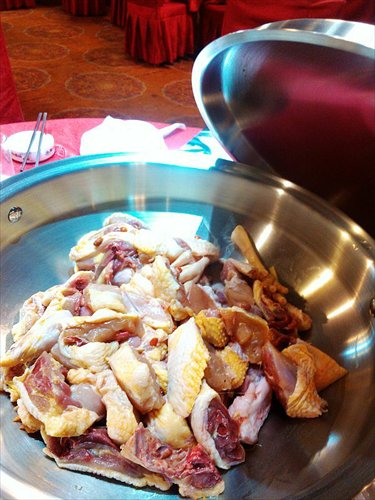
Unlike traditional hot pot's spicy and heavy characteristics, these unusual hot pots boast light and fresh flavors and are attracting an appetite. Photo: Courtesy of Zhu Jiang

Unlike traditional hot pot's spicy and heavy characteristics, these unusual hot pots boast light and fresh flavors and are attracting an appetite. Photo: CFP
Paper burns, but what about a paper hot pot? Take a bowl made from a thick piece of paper, set it on a little steel stove, and pour water in it. Light a fire under the paper bowl, and when the water inside begins to boil, add shrimp, shells, tofu and vegetables. What you have here is not charred paper, but a great hot pot dish.Hot pot, as its name suggests, is perfect for the cold days of winter, when people in Beijing are likely to be seen bent over a steaming copper pot of this Chinese-style stew. But hot pot isn't limited to being prepared in copper. Variations like the paper hot pot are attracting attention from foodies in Beijing and one can only assume it's because these atypical varieties are delicious. But here's more good news: they also all happen to be low-fat, healthier options.
Paper hot pot, for instance, helps absorb the excess oils produced by seafood, vegetables and game meat. Kang Miao, a chef who studied in Japan, said paper hot pot originated there in the 1940s for cooking snow goose. The paper doesn't burn because it's treated with a heat-withstanding coating. The evaporating water also eliminates a lot of the heat, he said.
But what if you have a hot pot without water? Enter a version of dry pot, which uses a special steel vessel that can cost more than 2,000 yuan ($326).
"After eating almost every kind of oily and spicy hot pot there is, I found this water-free pot quite interesting," said Zhu Jiang, a food columnist in Nanning, Guangxi Zhuang Autonomous Region.
"Just put chicken, vegetables, mushrooms, salt and oyster sauce inside a specially-made pot and wait for about ten minutes," recalled Zhu, who tried the dry pot in 2013. "The pot uses the water from the food to cook, locking in the vapors and maintaining the food's original flavors. It's also less oily and salty."
Sometimes, though, it's not about the pot itself, it's about what's inside the pot. Pengran Siji Coconut Chicken Hot Pot on Dongsanhuan Beilu, Chaoyang district is using a fresh, sweet coconut juice in place of water for their hot pot.
"The waiter pours in the juice of a whole coconut into the pot and puts in chicken," said Li Yin, a self-labeled amateur gourmand and frequent diner at Pengran Siji. "Not only is the flavor really special, but every time I go, I ask the waiter to save half a cup of coconut juice for me to drink. It is good for skin and helpful for losing weight."
According to Compendium of Materia Medica, a classic TCM reference book, coconut juice aids in darkening hair and relieving symptoms of diabetes, edema, and even the common cold.
You won't find everyone eagerly lapping up the soup of these unconventional hot pots. For some fans of spice, authentic Sichuan hot pot is top pick.
"I have heard of the weird hot pots, but I am not interested in them," said Wan Wei, a 26-year-old who travels to Beijing from Chongqing, where people traditionally dine on spicy food. "Thick and spicy soup makes an ideal hot pot. A lightly flavored hot pot? No, that can't be called hot pot at all!
Posted in: Metro Beijing