Cultural indifference leads to heritage paranoia online
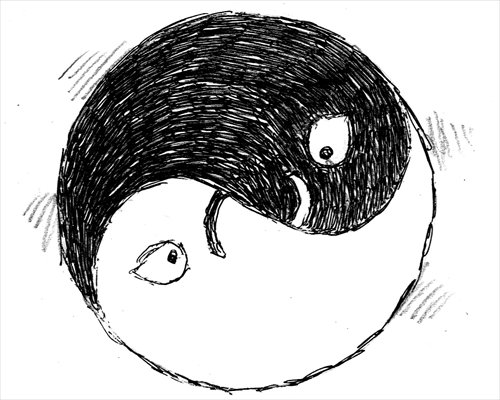
Illustration: Peter C. Espina/GT
China and South Korea share a long history of cultural heritage. But the overlaps have triggered a war of words between both sides on the ownerships of intangible cultural properties. Or at least, the Chinese believe there is a war.
Online bickering about South Korea planning to nominate traditional hairstyles and tea ceremonies to UNESCO as their masterpieces of the "intangible heritage of humanity" has swirled on the Chinese Internet recently. Chinese keyboard-men, a derogatory nickname for netizens who are obsessed with controversial online debates, cursed the Koreans for stealing.
Professionals even made a fuss by scrupulously showing to their followers on social media by means of photos and video clips about how Chinese traditional hairstyles and tea ceremonies outdo those of Koreans. Some celebrities have also got involved in the fight, calling for the Chinese to do something to protect the ownerships of these two properties.
But the problem is, without an official announcement yet, many Koreans do not even know they are going to make these two nominations. This piece of news is probably made up by some Chinese netizens out of ulterior motives.
The row began 10 years ago when South Korea was about to nominate the Gangneung Danoje Festival to UNESCO as a masterpiece of intangible heritage. However, this local festival, written as "Duanwu Ji" in Chinese characters, shares a similar name to a Chinese festival, "Duanwu Jie," which is known as the Dragon Boat Festival. Unthinking patriotism and confusing indignation drove many Chinese to abuse the Koreans, whom they believe were trying to steal a traditional festival with abundant cultural implications from them.
But it turned out that Chinese "Duanwu" is very different from its Korean counterpart. The only biggest similarity rests on the time they are celebrated. Duanwu means "the fifth day of the fifth lunar month." Apart from this, the festival serves as a commemoration of a totally different Korean event and historical figure.
If this misunderstanding could be called an ignorant one, then a lot of heritage-related squabbles afterward are reducing the ignorance of some Chinese into self-humiliation. All these years, senses confounded by rumors, these people believe the Koreans are going to pocket everything China is proud of: traditional Chinese medicine, movable type, calligraphy, fengshui, and even characters and globally well-known historical figures like Confucius and Sun Yat-sen. No matter how outrageous these rumors are, some people easily buy them.
A lot of rumors like these have been proven baseless, but occasionally they reemerge out of nowhere and raise public debates on Chinese Internet.
Deep inside some Chinese people's ostensible love for their own culture, a struggle between protecting their vulnerable pride and admitting their culture is no longer dominant has distorted their thinking. This dilemma is reflected in their everyday life. After writing down a few angry lines on their microblog to protest Koreans' "stealing," they will probably open an online video site and watch a new episode of their favorite South Korean TV soap.
With 47 world heritage sites, the second largest of any country in the world, China has given growing attention to the protection and promotion of its culture. But this doesn't just need official applications, but also relies on people opening their arms and embrace other cultures, be they related to Chinese culture or not.
The author is a Global Times reporter. liuzhun@globaltimes.com.cn