What’s wrong with Henan? Nothing, really
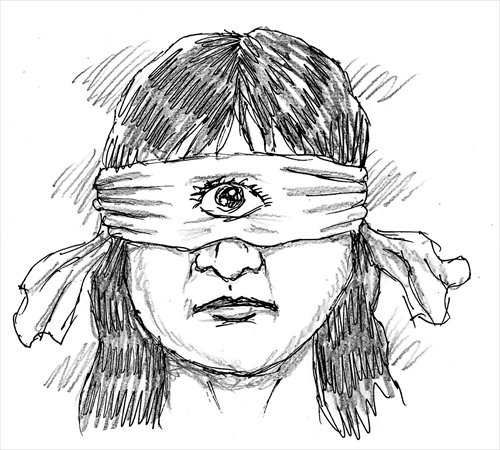
Illustration: Peter C. Espina/GT
Celebrated CCTV anchor and news commentator Bai Yansong has made a splash again by defending the reputation of Central China's Henan Province during a readers' meeting for his latest book Bai's Talks recently. He said that he made a special trip to Henan, perennially demonized by the rest of China, and found it no different from the rest of the country. His speech immediately elicited overwhelming approval from the public, although a few complained that he merely added salt to the wound.
Regional discrimination has been a deeply ingrained social ill in China for centuries. Numerous places have fallen victim to geographical and demographical prejudices.
People from Henan are generally regarded as cheaters, thieves, troublemakers, and bumpkins. Natives of Northeast China are generally associated with laziness, vulgarity, barbarity and crime. Hubei people are notorious for being scheming and shrewd, prone to end up being hoisted by their own petard.
Shanghai men are known for their stinginess and Beijing locals are stereotyped as gluttonous, lazy and snobbish. While the former mock the latter for bureaucracy, the capital jeers at the financial center of China for scrambling for petty gains. People from Guangdong are usually called tuhao, the vulgar rich. Anhui and Sichuan provinces, which send millions of migrant workers to more affluent coastal areas in eastern China, are also objects of wide denunciation.
Among all the scorned regions, people from Henan have been the butt of the most contempt. A survey by sohu.com earlier this year found that 64.37 percent of respondents have an unfavorable view of the Henanese. One striking episode was back in 2005 when the Longgang District Public Security Bureau in Shenzhen hung a banner reading "Cracking Down on Henan Racketing Gangs."
Literary works also tend to make Henanese a laughingstock. In 2011's massive hit Love Is Not Blind, peacockish figurante Li Ke, in a standard Taiwan accent, is actually a Henan native. She even shouts rude words in the Henan dialect during a phone conversation as the romantic comedy progresses, fueling the fury of Henan moviegoers who called for a boycott of the movie. Several other television programs also feature Henanese swindlers or beggars.
It seems that the public takes delight in talking about the explosion of the HIV/AIDS epidemic, shoddy consumer goods, the abducting and trafficking cases of women and children and a streak of other stories in this land-locked province that make headlines. Many Henanese choose to hold their tongue in public places and refrain from admitting they come from the much-maligned province, fearing scorn.
What a pity! Henan was the cradle of Chinese culture in ancient times, especially prior to the Song Dynasty (960-1279). It was the birthplace of papermaking technology, typography, and gunpowder. Its renowned cities Luoyang and Kaifeng served as capitals of 13 dynasties and 10 dynasties respectively. In an English documentary, Amazing Henan - Where China Began, the hinterland is portrayed as "a treasure trove of cultural relics, defying the concepts of space and time and shining brightly over us."
How did the people of this civilized land end up being considered uncivilized or uneducated? Poverty and disaster may be the root causes. Henan, with 10 percent of China's population, has been suffering weak economic growth and poor agricultural conditions aggravated by natural disasters, which have in turn driven a massive population outflow, leading to harsh encounters with Chinese elsewhere.
With the provincial population accounting for 10 percent of China's total, Henanese people actually represent what Chinese people are.
While the fundamental way to mitigate the regional chauvinism lies in economic growth and social governance, we should avoid using preferential assumptions to stereotype people. Plenty of people complain about being overcharged for breakfast around Henan's Shaolin Temple, but it's still much cheaper than tourist traps elsewhere.
The author is a Beijing-based freelance writer. opinion@globaltimes.com