US lawmakers aim to curtail facial recognition even as the technology IDs Capitol attackers
US lawmakers are moving ahead with efforts to ban facial recognition software even as the technology helps identify supporters of President Donald Trump who ransacked their workplace and forced them to evacuate in January.
Researchers and law enforcement have been running photographs from the January 6 siege of the Capitol through facial recognition, which looks for similar faces in databases of mugshots, social media headshots or other images.
"It's a great tool," said Michael Sheldon, research associate at the nonprofit Atlantic Council's Digital Forensic Research Lab, whose mission includes protecting democratic institutions.
Sheldon said he provided the FBI possible names of several people in the violent mob thanks to a facial recognition program he purchased.
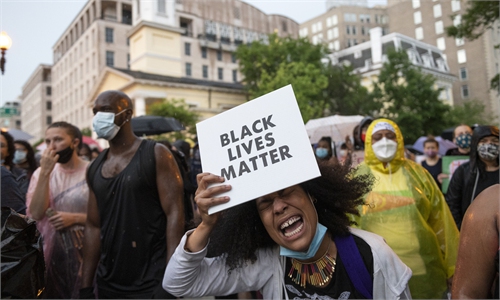
Senator Ed Markey said in a statement that the technology may not be worth the risks. Racial justice activists have warned that facial recognition can perpetuate discriminatory policing and constant tracking could become the norm.
"We've seen that in the wake of past crises innocent Americans have been subjected to increased problematic surveillance," Markey said.
He called on authorities to "keep the public safe and hold criminals accountable without relying on invasive tools that are proven to have serious accuracy and bias issues."
Whether the FBI has used facial recognition is unclear.
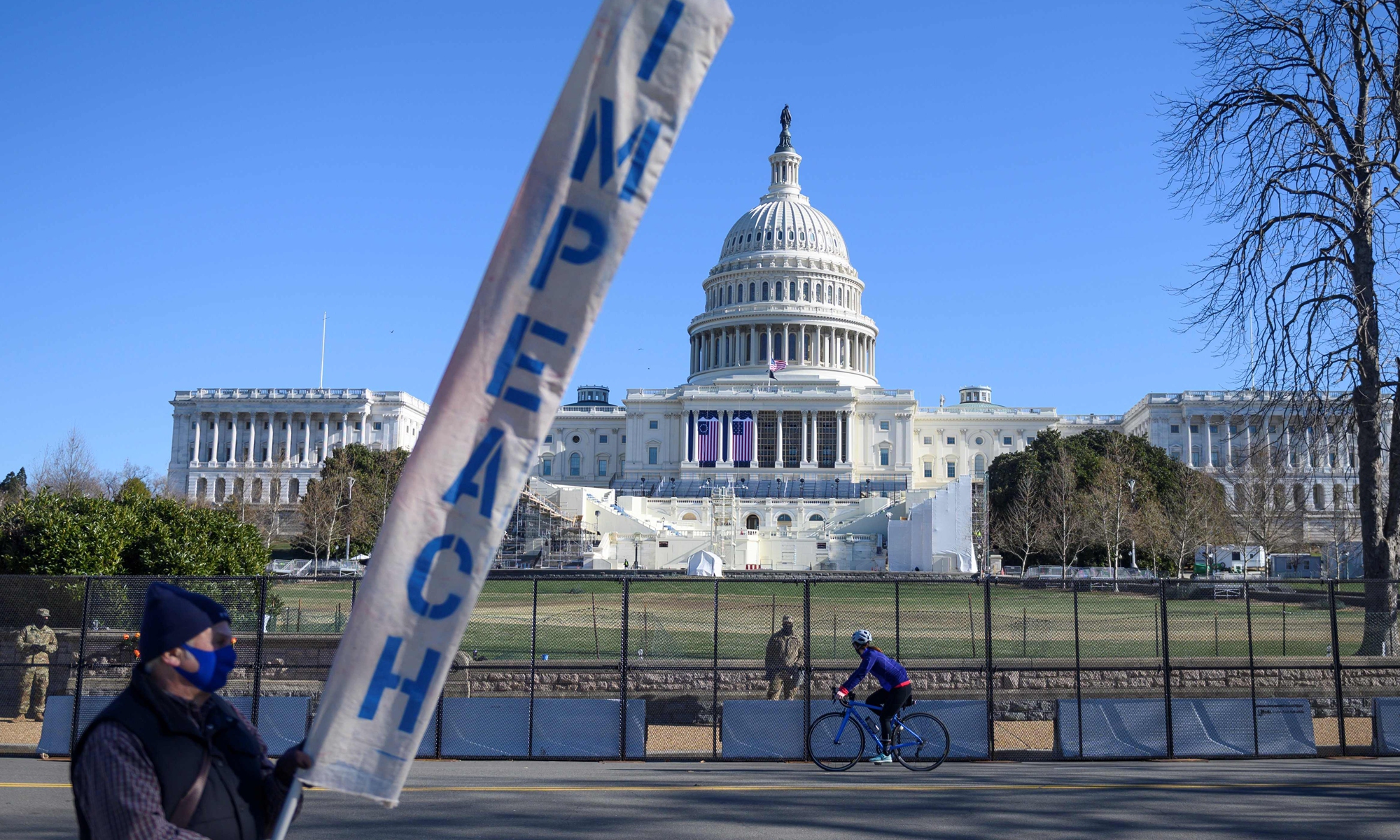
A protester carries a sign calling for Congress to impeach US President Donald Trump, near Washington, DC on Sunday. Trump faced fresh calls Sunday from some members of his own party to resign over the violent incursion into the US Capitol, as the threat builds for a historic second impeachment effort in his final 10 days in the White House. Photo: VCG
"It's a great tool," said Michael Sheldon, research associate at the nonprofit Atlantic Council's Digital Forensic Research Lab, whose mission includes protecting democratic institutions.
Sheldon said he provided the FBI possible names of several people in the violent mob thanks to a facial recognition program he purchased.
Senator Ed Markey said in a statement that the technology may not be worth the risks. Racial justice activists have warned that facial recognition can perpetuate discriminatory policing and constant tracking could become the norm.
"We've seen that in the wake of past crises innocent Americans have been subjected to increased problematic surveillance," Markey said.
He called on authorities to "keep the public safe and hold criminals accountable without relying on invasive tools that are proven to have serious accuracy and bias issues."
Whether the FBI has used facial recognition is unclear.
RELATED ARTICLES