Will the chip industry in the Middle East become a collateral victim of the US’ chip hegemony?
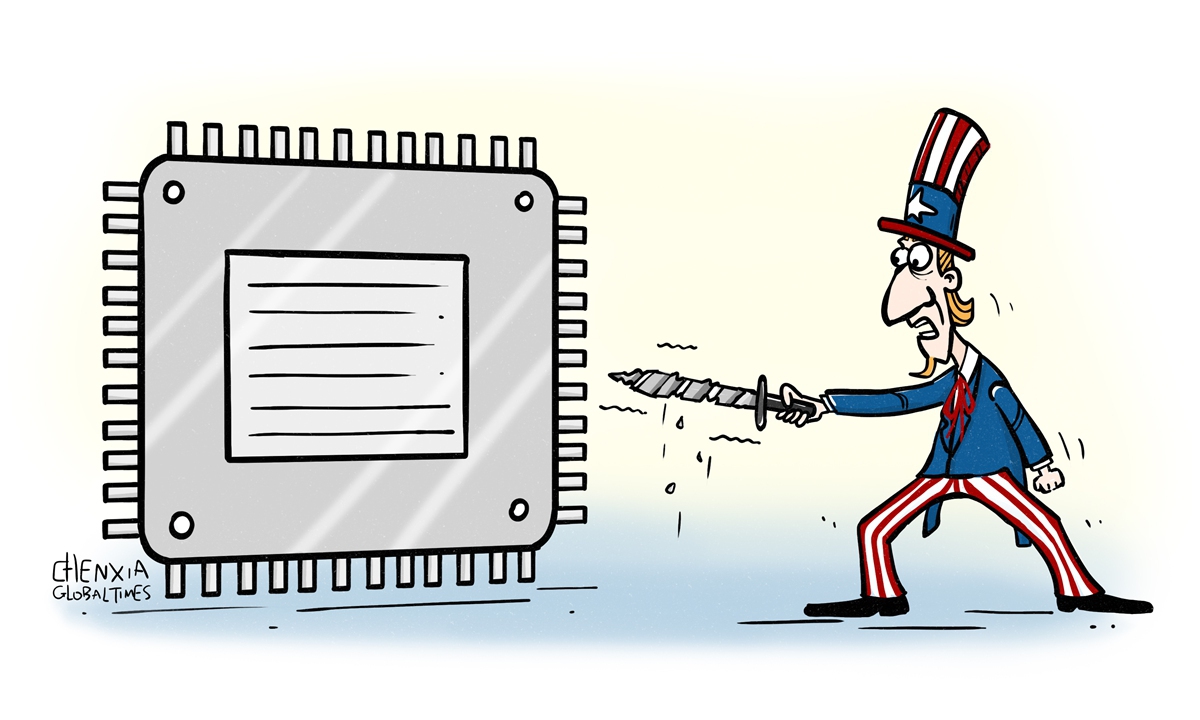
Illustration: Chen Xia/Global Times
Positive cooperation between Saudi Arabia and China in artificial intelligence (AI) field is facing the threat of the US' potential restriction on Saudi Arabia's access to the US' AI chip, The Financial Times reported on Tuesday.
Recent reports that US is expanding sales restrictions on AI chips manufactured by companies like Nvidia and AMD to the Middle East have raised concerns in the market. Despite the US denying these reports, market apprehensions continue to linger.
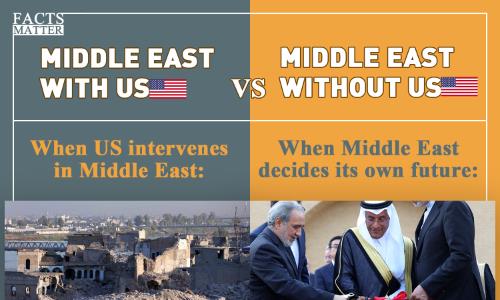
If the reported US restrictions are implemented in the future, it only indicates that, from chips to broader fields, the US has disregarded the interests of countries across the Middle East.
Currently, many Middle East countries are actively advancing AI development, creating opportunities for China-Middle East economic cooperation. However, this mutually beneficial technological and economic cooperation between China and the Middle East has become a target of anti-China politicians in the US.
From the perspective of global chip industry chain cooperation, the US' "chip containment against China" is actually the biggest source of uncertainty and concern. The US' actions and rhetoric that go against the principles of market cooperation have disrupted global chip industry cooperation and created chaos.
The US' pursuit of an "America first" approach and its efforts to establish chip hegemony have had detrimental effects on global chip industrial chain cooperation. Unfortunately, these negative impacts now seem to be reaching the Middle East region. It is crucial that China-Middle East chip industrial cooperation does not fall victim to the ill-intentioned policies of the US.
As the Middle East region makes significant strides in the field of AI, local research institutions are increasingly collaborating with China to foster research and development projects for mutual success. US politicians who are busy devising chip export restrictions under the guise of "security" should realize that such actions will not hinder the growing momentum of technology cooperation between China and the Middle East.
Saudi Arabia and the United Arab Emirates are ramping up efforts to join the AI race and have started expanding cooperation with China, according to media reports. The joint statement between China and Saudi Arabia in December 2022 agreed to strengthen cooperation in the development of modern technologies such as AI. Middle East countries believe that China has achieved great success in digital technology, and they aspire to replicate this success.
China's market and innovation advantages, coupled with its adherence to market principles, render the US' political interference for selfish hegemonic purposes futile. In the face of a complex international geopolitical environment, it is imperative for China and the Middle East to overcome US interference and forge ahead with their economic cooperation, particularly in the high tech field. The strength of China's market and its commitment to innovation will enable both sides to navigate challenges and achieve mutual success.
The US should not overestimate its ability to disrupt China's cooperation with other regions in the tech sector. The Biden administration's implementation of a series of export restrictions on Chinese chips has already caused dissatisfaction from major chip giants across the world. If the US stubbornly intensifies its unilateral approach and continues down the path of wrong policies, it will only face stronger backlash from the industry and impacted countries.
The author is a reporter with the Global Times. bizopinion@globaltimes.com.cn
RELATED ARTICLES