Fundamentals of China’s long-term sound economic growth will not change despite complex international environment: NBS spokesperson
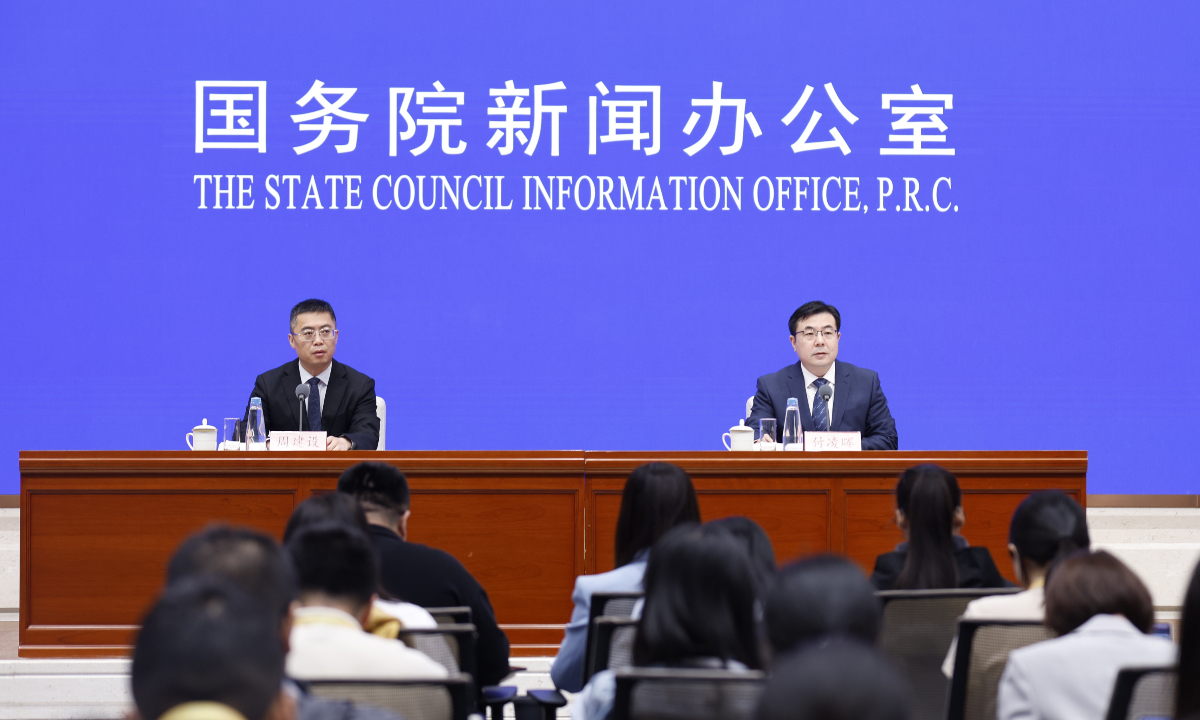
Photo: VCG
Although the international environment is still complex and marked by instability, uncertainty and unpredictability, the fundamentals of China’s long-term sound economic growth will not change, with concerted efforts on macro policies, the growing momentum of consumption and innovation, said Fu Linghui, a spokesperson for the National Bureau of Statistics (NBS) said on Monday.
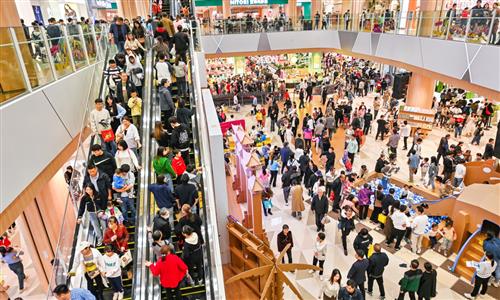
Fu made the remarks during a press conference as the NBS released China’s key economic indicators in April. The total value added of the industrial enterprises above the designated size rose by 6.1 percent year-on-year, and the total retail sales of consumer goods increased 5.1 percent to 3.72 trillion yuan ($515.29 billion).
Responding to a question whether Fu expects a surge in exports to the US following the recent Geneva agreement on significant tariff cuts, and on the trade outlook for the rest of the year, Fu said that in April, the external environment changed drastically, and the pressure on foreign trade increased. However, China’s foreign trade overcame difficulties and maintained steady growth, demonstrating strong resilience and international competitiveness.
According to the NBS, in April, China’s total import and export of goods rose by 5.6 percent, of which, exports grew 9.3 percent, maintaining a faster growth.
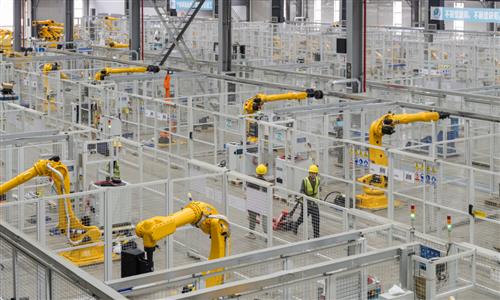
Fu noted that amid growing external shocks, China’s foreign trade has withstood the pressure and maintained growth, reflecting the solid support capacity of the industrial base, as the country’s complete industrial system with upgrading of the manufacturing industry occupies an important position in the global industrial chain, and has a strong advantage in international competition.
In addition, it reflected the strong adaptability of China’s foreign trade. The diversification of China’s foreign trade has been steadily advancing, and foreign trade enterprises have enhanced their market development capabilities and improved their responsiveness to trade frictions and supply chain fluctuations, the spokesperson noted.
The trade performance also showed the effectiveness of policies aimed at stabilizing foreign trade. In response to external shocks, all regions and departments have stepped up support for foreign trade enterprises by increasing export tax rebates, providing financial support, and improving trade facilitation, thereby creating a favorable policy environment for foreign trade development, said Fu.
The substantial reduction of tariffs by China and the US will facilitate bilateral trade growth and support the recovery of the global economy, the spokesperson noted.
At present, the international environment remains complex and severe, and the rise of unilateralism and protectionism has seriously disrupted the international economic and trade order and constrained global economic growth.
However, the general trend of win-win international cooperation remains unchanged, nor will China’s firm expansion of opening up, with foreign trade diversification advancing steadily and policies to promote foreign trade development continuing to show results, which will continue to underpin the stable development of foreign trade, Fu said.
Global Times
RELATED ARTICLES