SK firms’ growing interest signals bright prospects for Asian regional cooperation
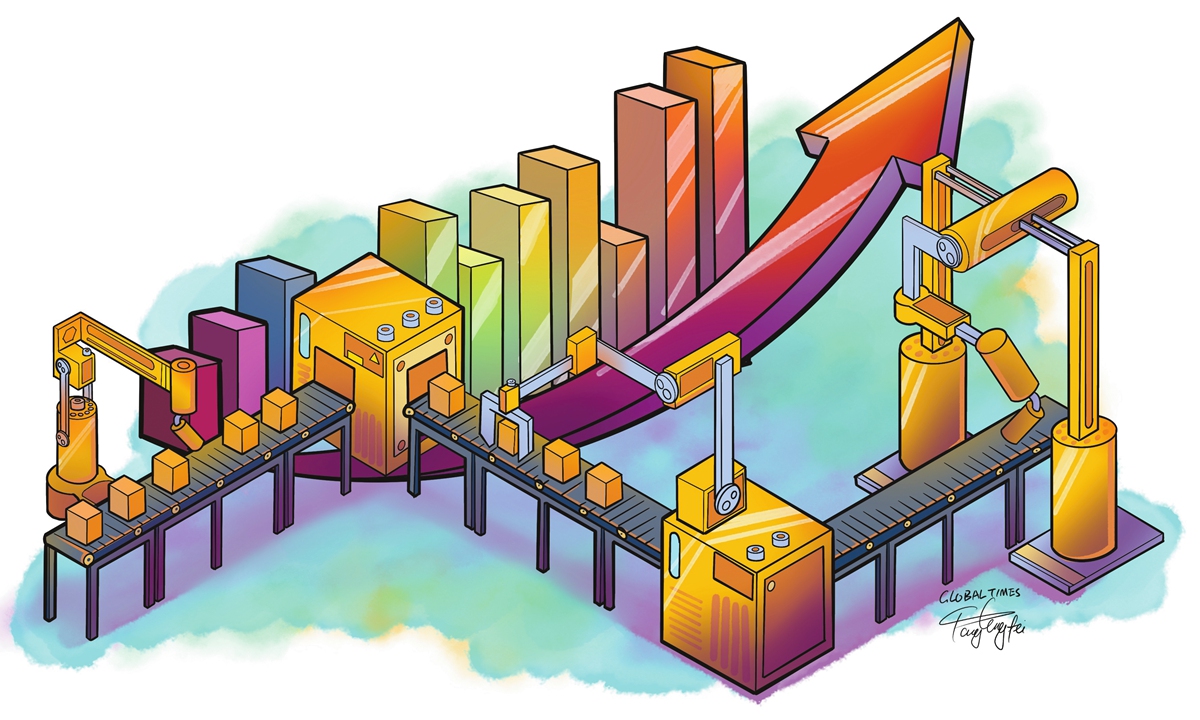
Illustration: Tang Tengfei/GT
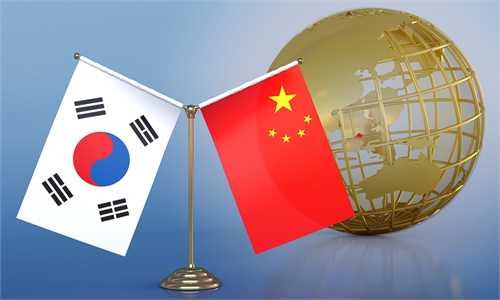
The recent participation of South Korean companies in the 34th Harbin International Economic and Trade Fair underscores the growing economic engagement between China and South Korea. According to the Yonhap News Agency, this event, which ran from May 17-21, saw the record-breaking attendance of 93 South Korean firms, the largest participation by South Korean companies to date. A South Korean pavilion was established at the fair with the aim of assisting South Korean companies in expanding their exports to China.For approximately two decades, China has maintained its position as South Korea's largest trading partner. With the further unlocking of its vast market potential, China offers numerous business opportunities and growth drivers for foreign companies investing within its borders. The Harbin trade fair serves as a bridge, enabling South Korean businesses to deeply integrate into the Chinese market, particularly in the northern regions.
Meanwhile, according to another report by Yonhap, the cooperation and exchange conference between Central China's Henan Province and South Korea commenced on Monday at two venues in Henan, lasting for three days. This event aims to bolster economic ties between South Korea and local governments as well as small cities in China. It offers a platform for South Korean companies to delve deeper into China's central inland market.
The nuanced strategy of South Korean companies toward China's segmented markets reflects a commitment that goes beyond mere surface-level interaction. This targeted approach not only underscores the attractiveness of the Chinese market but also marks a sustained deepening of economic and trade cooperation between the two countries.
The growing allure of the Chinese market is a complex phenomenon, mirroring China's sustainable economic growth, the burgeoning middle class with its shifting consumer preferences, and the government's concerted efforts to foster a more welcoming environment for foreign investors. For South Korean businesses, this presents a golden opportunity to not only increase their market footprint but also to strengthen their foothold in a nation that is becoming increasingly important to global supply chains and innovation networks.
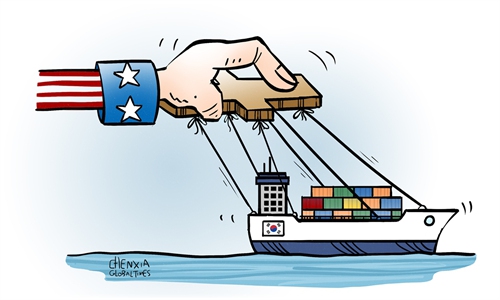
The ongoing uncertainty surrounding US trade policies poses a potential challenge to the growth of international trade in the coming quarters. Given that the US serves as an important trade partner for some Asian economies, including South Korea, changes in US tariff policies could prompt further adjustments within Asian industrial chains. In this context, if Asian supply chains can foster closer cooperation and integration, it could offer these economies greater resilience against external pressures.
There is growing evidence of South Korean businesses showing an increased interest in the Chinese market. This suggests that, despite external pressures, Asian industrial chains are moving toward greater collaboration and integration. This trend not only highlights the adaptability of these economies but also underscores the potential for a more interconnected and robust regional economy.
Despite facing various complex factors, China has set its economic growth target at about 5 percent for this year. Stable economic growth is expected to bring about a sustainable "demand dividend." Against this backdrop, China is committed to maintaining a high level of openness to the outside world, continuously providing a stable business environment for foreign investment. Chinese officials are also encouraging South Korean companies to invest in China and establish a deeper presence in the country.
Building on bilateral and multilateral free trade agreements, China, along with other Asian countries including South Korea, has established a complex and diverse network of trade and industrial chains that span nearly all manufacturing sectors, from low-end to high-end. Strengthening this industrial chain is beneficial for addressing external challenges. It requires economies within the chain to enhance economic cooperation and embrace multidirectional openness. South Korean businesses have shown an increasing interest in this cooperation, signaling the importance of bolstering internal economic collaboration and high-level openness in the face of greater uncertainty and challenges posed by US tariff policies.
The author is a reporter with the Global Times. bizopinion@globaltimes.com.cn
RELATED ARTICLES