Walmart reportedly plans to cut 1,500 jobs as tariff pressures mount on US retail sector
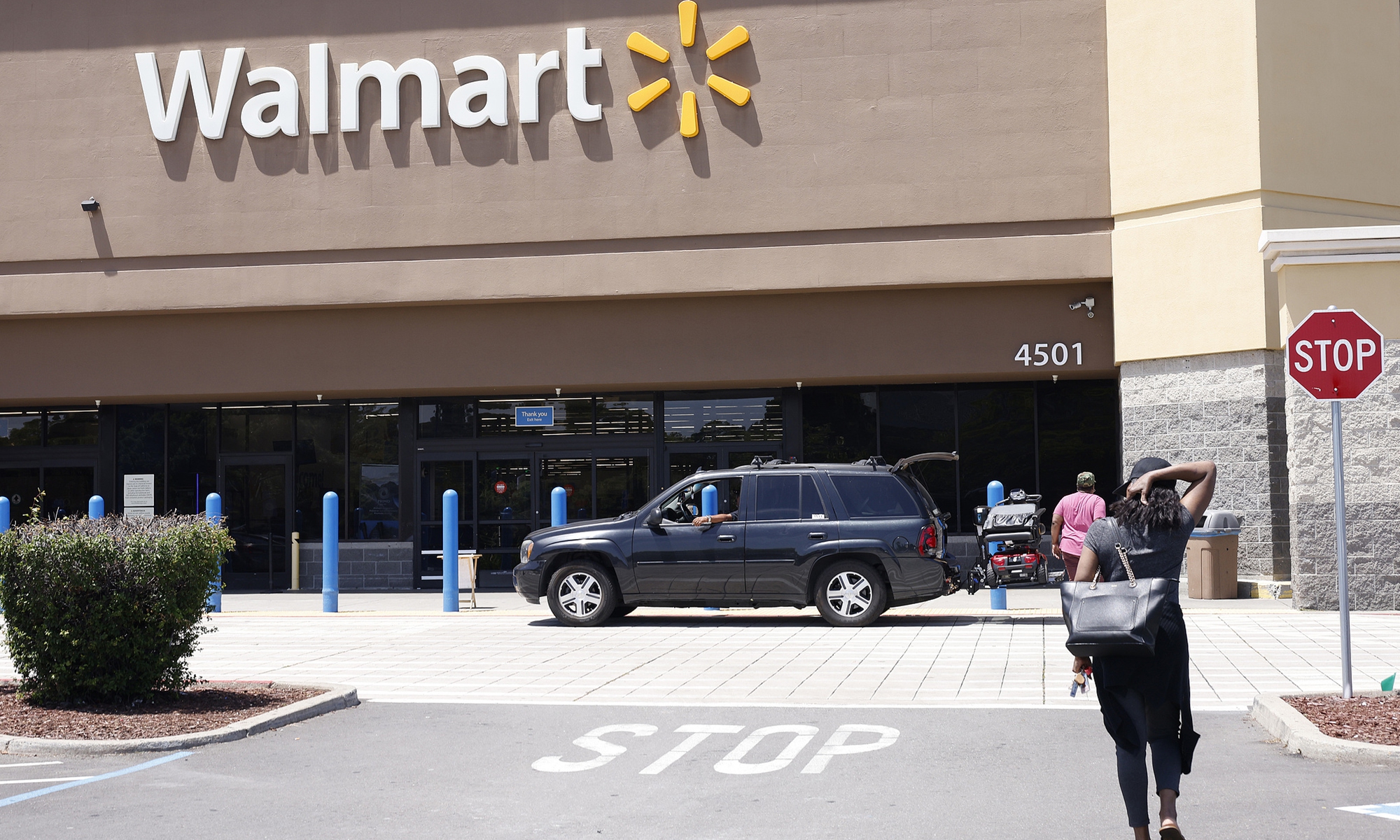
A Walmart store in Pleasanton, California, US, on May 16, 2025. Photo:CFP
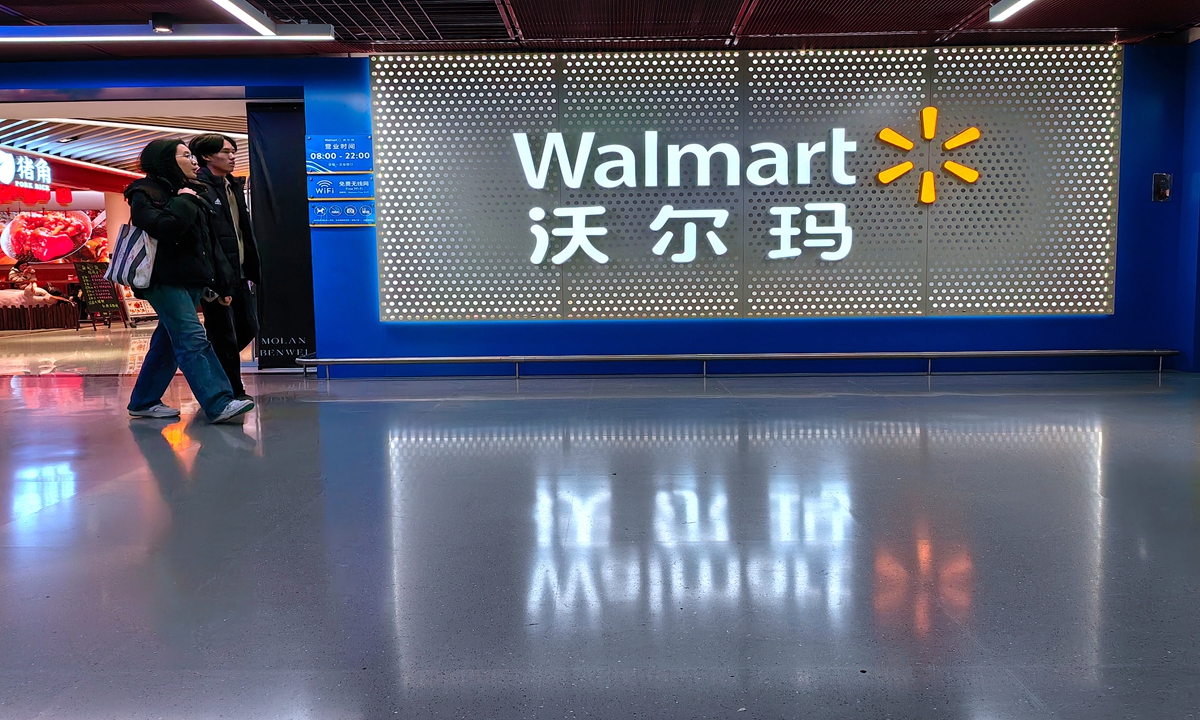
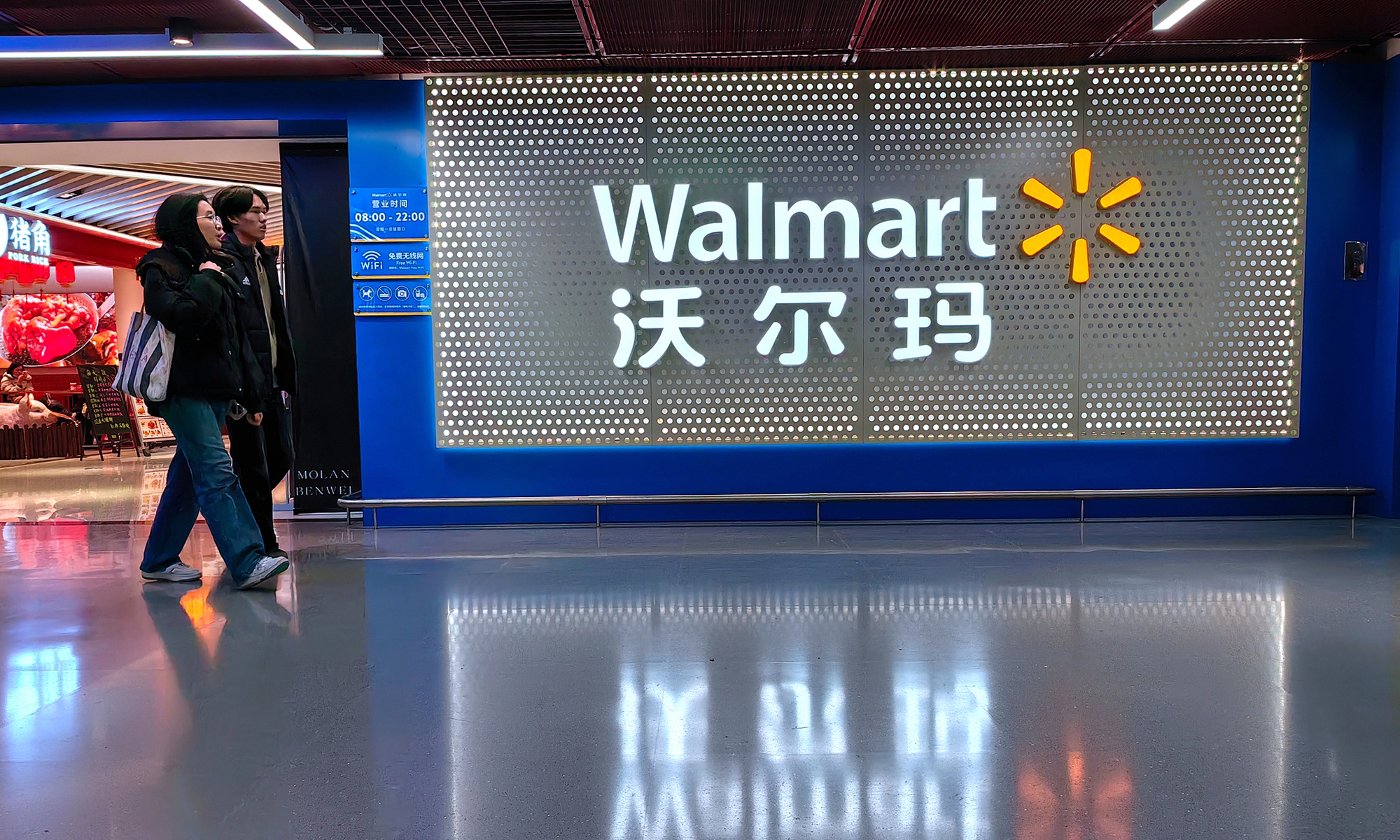
US retailer Walmart reportedly plans to cut about 1,500 jobs as part of a restructuring push to simplify its operations, joining a couple of US companies that face woes amid the US government's tariff policies.The company's plan will impact teams in its global technology operations, e-commerce fulfilment in US stores and its advertising business Walmart Connect, Reuters report on Wednesday. The company will also eliminate some roles and opening some new ones, the report said.
On the same day, another major US retailer Target cut its full-year sales outlook, as executives said weaker discretionary spending, consumer uncertainty about tariffs, and backlash to the company's rollback of key diversity, equity and inclusion efforts hurt its business, according to the CNBC.
Target's first-quarter earnings and revenue fell short of Wall Street expectations, as sales declined by nearly 3 percent from a year earlier. Transactions across its stores and website dropped 2.4 percent, and the average customer spend per visit fell 1.4 percent, the CNBC reported.
Executives attributed Target's underperformance to weaker discretionary spending, persistent tariff uncertainties, and consumer backlash following recent policy adjustments. Target will increase prices on some items to help cover tariff-related costs, Target's Chief Commercial Officer Rick Gomez said. He said the company is also trying to minimize the impact of the duties by negotiating with vendors, reevaluating the merchandise it sells, changing the country that produces items and adjusting the timing of orders, according to the report.
Zhou Mi, a senior research fellow at the Chinese Academy of International Trade and Economic Cooperation, told the Global Times on Wednesday that US tariffs have not created new demand but have instead raised supply chain costs.
"In a globalized economy, US companies rely heavily on imports. Tariffs force them to seek alternative suppliers—a process that takes time, involves uncertainty, and weakens competitiveness. For firms like Walmart, the pressure is particularly acute. They've had to make adjustments, including restructuring and job cuts, to preserve profitability," Zhou said.
Zhou noted a structural mismatch between the US government's trade policy and the reality of economic globalization. "These policies are not aligned with market dynamics, nor do they adequately consider the actual feedback and needs of US businesses," he said.
If US firms are forced to cut ties with Chinese suppliers, they'll struggle to find replacements, as domestic capacity is limited, Zhou said. "Local goods often mean higher prices and lower quality—something US consumers won't accept."
"Affordable, quality products have become an expectation. If retailers can't deliver, they simply won't survive," Zhou added.
Gao Lingyun, a researcher at the Chinese Academy of Social Sciences, told the Global Times on Wednesday that blaming China for domestic structural issues is the first mistake; trying to fix lost competitiveness with tariffs is the second. With the wrong target and tools, the policy is destined to fail.
Gao noted that large US retailers like Walmart rely on thin margins, leaving them with limited options to absorb rising costs. "They can either pass tariffs on to consumers through price hikes or drop low-margin product lines altogether," Gao said.
"If high tariffs persist, retailers will be forced to scale back. We may see reduced product variety and smaller business operations, as many items may no longer be viable to stock," Gao said. "In the long run, this will hurt both US companies and consumers."
Recently, the US President criticized Walmart and said the company should "eat the tariffs" rather than raise prices after Walmart CEO Doug McMillon warned that prices could rise due to tariffs, the Washington Post reported on Saturday.
Walmart is the largest US private employer with about 1.6 million employees. It employed about 2.1 million employees worldwide in total, according to its website, as quoted by Reuters.
The company is also the nation's largest importer, with approximately 60 percent of its imports, primarily clothing, electronics, and toys, sourced from China, the report stated.
Amazon had also faced criticism from the US government following media reports that the retailer might display the costs of new tariffs on its low-cost marketplace called Amazon Haul. The White House called it "hostile and political," and Amazon said displaying tariffs was never its plan to begin with, US media NPR reported.
"To meet changing consumer demand and shifting trade patterns, companies face mounting pressure to adapt. Whether they can respond effectively is now a key challenge," Zhou said.
RELATED ARTICLES