Photo: VCG
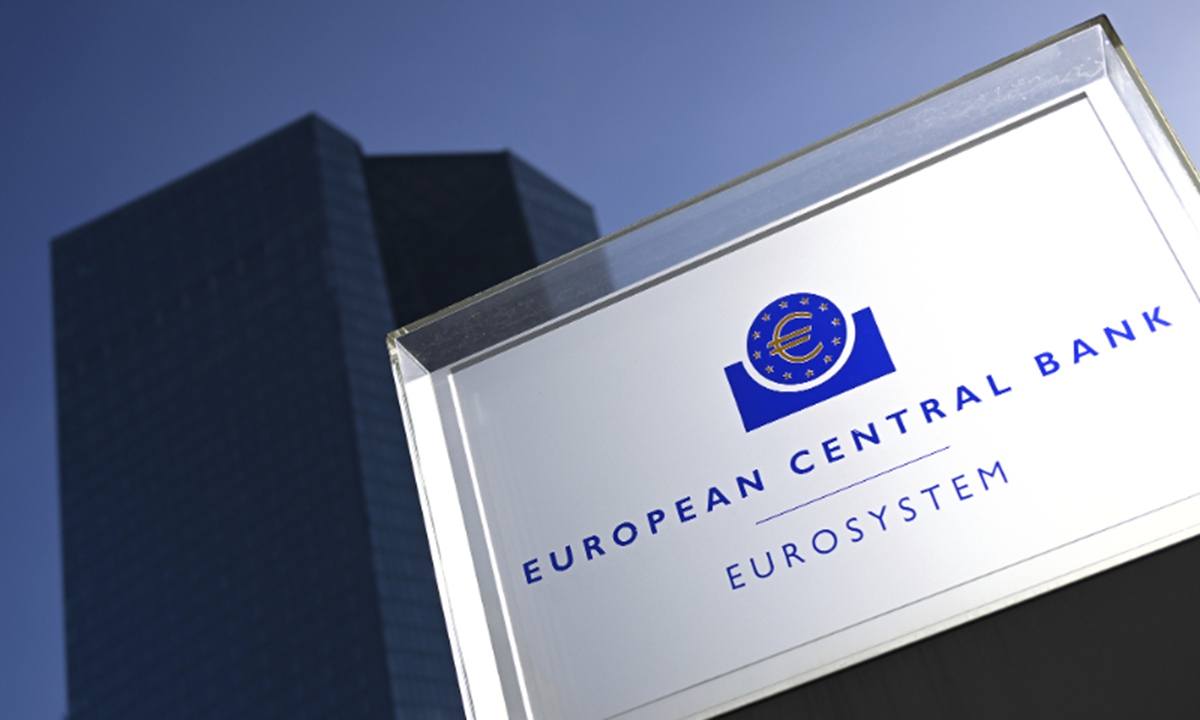
With growing uncertainties surrounding the dollar's hegemony, there has been a rise in discussion about how to dodge the risks brought about by the declining role of the dollar.European Central Bank President Christine Lagarde on Monday called for a greater international role for the euro, warning that the global dominance of the dollar is facing increasing uncertainty, the Xinhua News Agency reported.
While it is unlikely that the euro will replace the dollar in the short term, such comments reflect a growing determination within the eurozone to enhance the euro's position in the global financial system.
The dollar's role has been on the decline for years, and it now makes up 58 percent of international reserves, the lowest in decades, but still well above the 20-percent share of the euro, according to Reuters.
Despite the eurozone's significant economic size and potential, the euro often finds itself overshadowed by the dollar. This is largely due to the bloc's profound reliance on the US in terms of economic, trade and security relationships. According to Eurostat data, in 2024, the US was the EU's largest export partner, accounting for 20.6 percent of EU exports. In European foreign trade settlements, the dollar accounted for more than 70 percent of all trade settlements.
For the euro to truly break through these bottlenecks, the fundamental challenge hinges on the EU's ability to develop independent policies and reduce its dependence on the US, particularly in economic and trade matters.
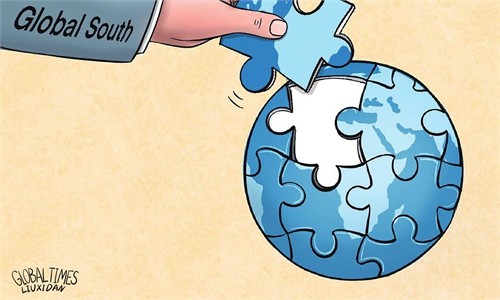
Given the rising weight of the developing world in the global economy, a potential solution to this dilemma may be found in a vision focused on strengthening cooperative relationships with developing countries. The increasing and promising demands from emerging economies for the energy transition, infrastructure development and trade financing are areas where the euro can provide financial support. By doing so, the euro can have a more global presence.
In today's turbulent international economic landscape, there are numerous uncertainties. US' protectionist trade measures and the uncertainties surrounding dollar assets have prompted many countries to reevaluate financial risks. In this context, developing countries are in urgent need of stable financial partners to mitigate economic risks, while the EU hopes to enhance the euro's supply chain resilience by building closer partnerships with emerging economies. This creates a rare opportunity for both sides to strengthen financial cooperation.
In this context, if the EU can promote cooperation with developing countries in areas such as cross-border settlement of digital currencies and the establishment of diversified settlement networks, the euro will play a more significant role on the international monetary stage.
Europe and developing countries have a long-standing and solid foundation of economic and trade ties. In terms of trade, Europe has always been an important partner for many developing countries.
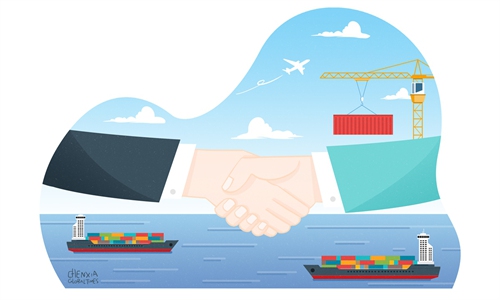
Take China as an example. China and the EU have established a vast and dynamic trade relationship characterized by frequent exchanges. Over the years, they have engaged in extensive cooperation across various sectors, including trade, investment and technology, resulting in a mutually beneficial and win-win partnership. This enduring economic and trade relationship has provided both sides with inherent advantages and a robust foundation for financial collaboration.
Both sides have made attempts to deepen exchanges and cooperation in the financial sector. In mid-May, the China-EU Working Group on Financial Cooperation held its second meeting, with extensive discussions on topics related to sustainable finance, cross-border data transfers and payments.
The euro's journey toward a greater international role is a complex and challenging one. However, by embracing cooperation with developing countries, the eurozone can find a new path forward. Amid international economic turbulence, such financial cooperation will also contribute to strengthening the stability and sustainability of the global economy.
RELATED ARTICLES