China EU relations
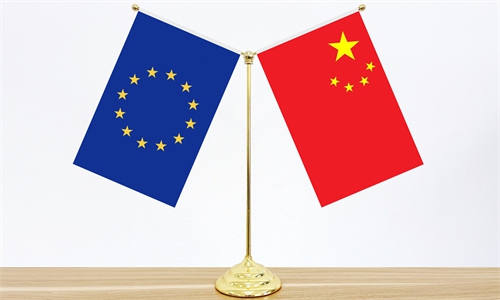
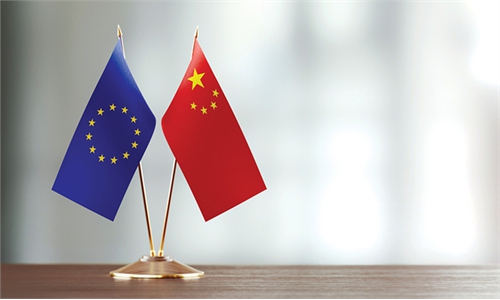
China-EU economic and trade relations have lately displayed a complex dynamic. While the EU has introduced some policy measures to restrict market access for Chinese companies, European business delegations have simultaneously been actively visiting China to explore more opportunities for cooperation with Chinese companies.
This seemingly contradictory approach within Europe highlights its internal division over how to manage economic and trade relations with China.
Some European politicians stubbornly view China as a major economic competitor, prompting the so-called "de-risking" strategy which is in essence trade protectionism. In contrast, European businesses - driven by market demand and economic pragmatism - continue to pursue more cooperation opportunities with their Chinese counterparts.
Amid the world's growing concerns over US' imposing steep tariffs, more voices within Europe are questioning the viability of the so-called "de-risking," realizing that such an approach may be neither practical nor necessary in the context of economic engagement with China.
Nevertheless, the more rational and pragmatic perspective has yet to be fully reflected in official EU policy toward China.
US' tariff policies and trade protectionism are affecting China-EU economic cooperation too. Washington's unilateral coercive moves have seriously disrupted global economic order, generating uncertainty for Europe. The EU is seeking to reach a trade agreement with the US, aspiring to remove the US tariffs. As a result, Europe's motivation to deepen economic cooperation with China has been affected to some extent.
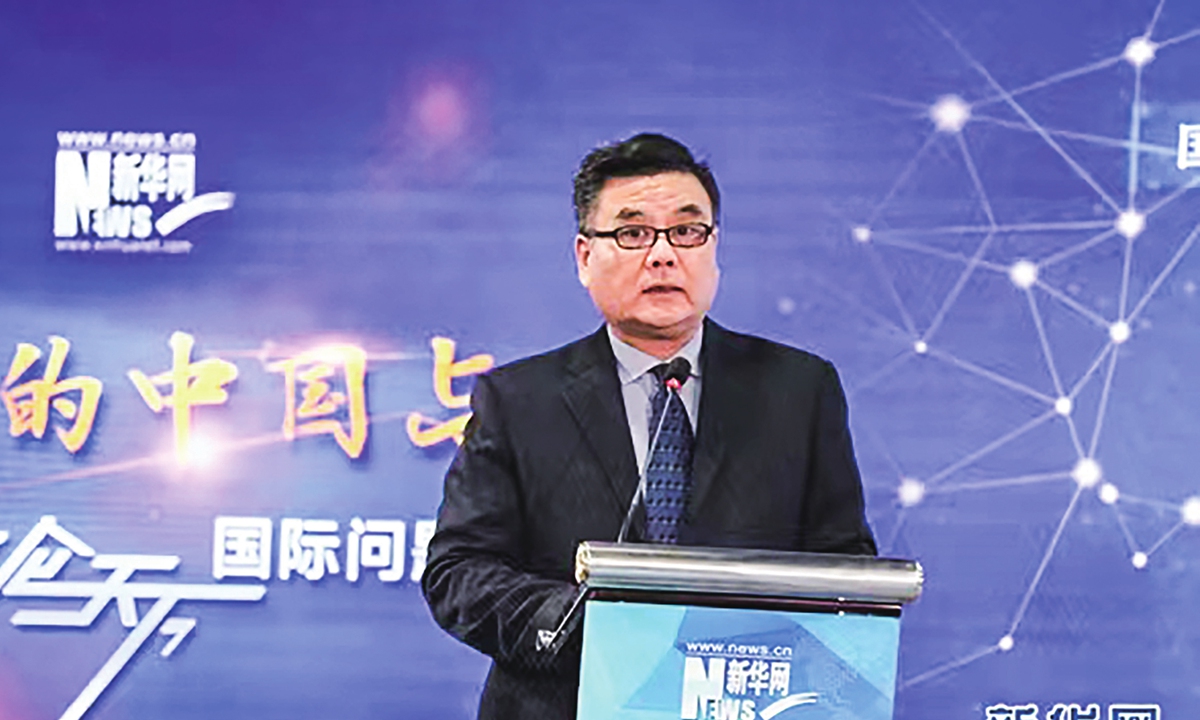
Cui Hongjian Photo: Courtesy of Cui Hongjian
China and the EU are not only major economic partners but also important forces in countering US unilateralism. Beyond maintaining policy dialogue, both sides need to take concrete actions to strengthen mutual trust and sustain cooperation momentum - sending positive policy signals to one another and jointly upholding free trade and multilateralism.
Despite the challenges facing China-EU economic and trade cooperation, China-EU trade ties have great resilience, rooted in broad shared interests.
China and the EU have established close ties through supply chains and industrial chains. This economic symbiosis is hard to be altered by external factors. The two parties hold enormous potential for cooperation in emerging sectors such as the green economy and digital economy, offering broad space for their collaboration.
In the long run, deepening economic and trade cooperation between China and the EU is a necessary path toward achieving sustainable development. The business communities in both should continue to strengthen cooperation based on market principles, for the purpose of maintaining the stability of supply and industrial chains.
The interplay between cooperation and competition has marked the relations between China and the EU.
While China has consistently emphasized the importance of collaboration, concerns over China's competitiveness have grown in Europe. But European worries about being outcompeted by China often stem from a misunderstanding. There is a belief among some European politicians that if China were to fully replace Europe across all industrial sectors, European companies would be squeezed out of the Chinese market. This fear is neither grounded in reality nor based on accurate understanding of China's policies.
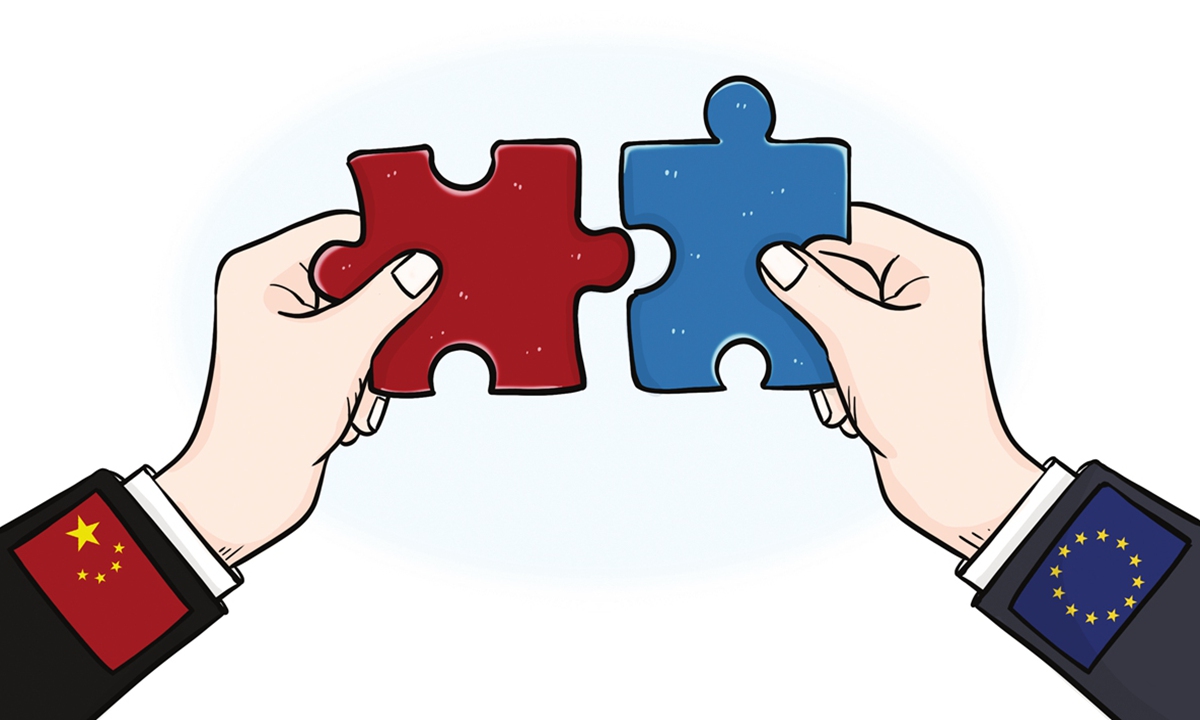
In fact, China has never sought to displace Europe. While China does enjoy competitive edge in certain industries, Europe retains its own strength in many other sectors. The relationship between China and the EU is never a zero-sum game, but one where mutual benefit can be achieved through exchanging complementary advantages.
It is essential for China and the EU to strike a balance between competition and cooperation. Both sides should rely on dialogue and coordination to turn competition into a source of sharing complementary advantages and mutual benefit. Only in this way can China-EU trade and economic cooperation overcome global uncertainties and make greater contributions to the economic development of both.
While China-EU economic and trade cooperation faces some challenges in today's complex global environment, it also holds vast potential. The two sides should pursue policy adjustments and pragmatic partnership to promote the stable development of bilateral economic relations and address global challenges together.
The author is director of the Department of European Studies, China Institute of International Studies. bizopinion@globaltimes.com.cn
RELATED ARTICLES