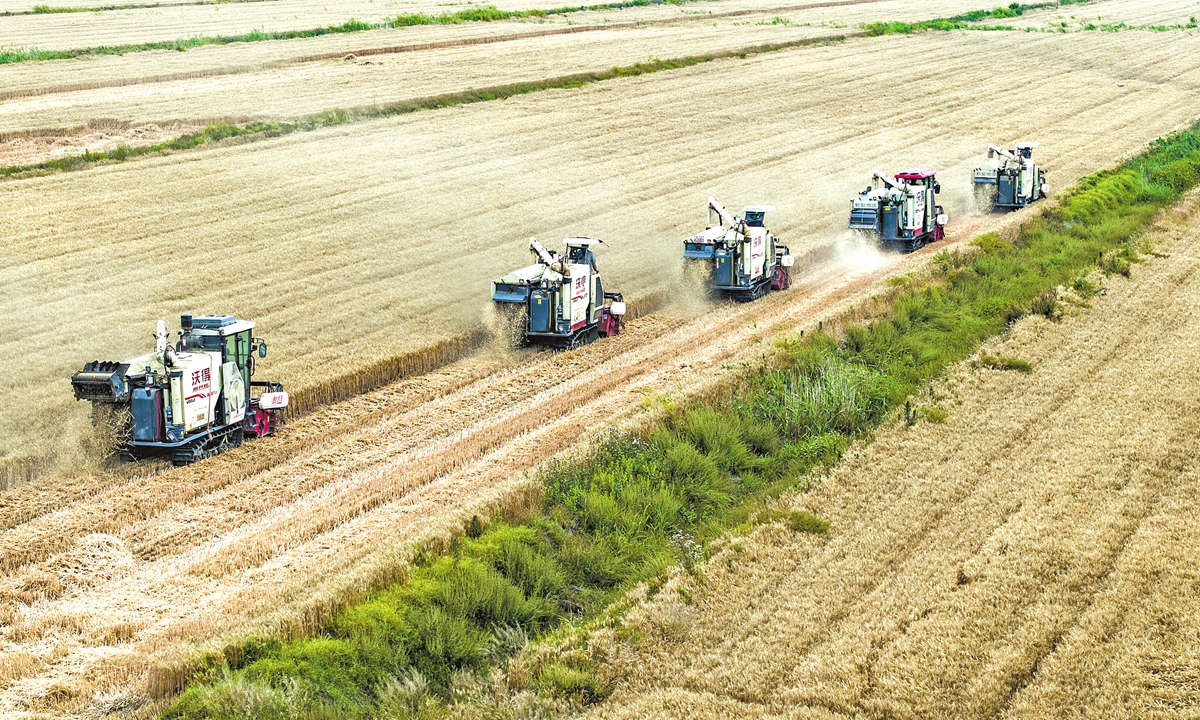
Large-scale harvesters reap wheat in the fields in Binhai county, Yancheng, East China's Jiangsu Province, on June 6, 2025. Photo: VCG
As summer unfolds across China, the busy farming season, involving summer harvests, planting, and management, is in full swing.
While the northern part of China celebrates wheat harvests, the south focuses on rice transplanting. This bustling period blends tradition with modern technology, boosting efficiency and easing labor demands.
High-standard farmland development has become a cornerstone of China's agricultural strategy. These fields, characterized by flat terrain, fertile soil, advanced infrastructure, and strong resilience to disaster, support modern farming practices and ensure stable, high-yield harvests. By integrating technology and refined management, China is strengthening its food security foundation.
In Hejin, North China's Shanxi Province, farmer Hou Jinlong transformed over 500 mu (33 hectares) of sandy Yellow River floodplain into productive grain fields, CCTV reported. Using a combination of drip irrigation, integrated water-fertilizer systems, and dense planting, he reduced water use by over 40 percent and fertilizer by 30 percent. Despite drought conditions, his wheat yield remains robust, expected to exceed 600 kilograms per mu.
"This technology delivers water and fertilizer directly to wheat roots, improving efficiency. With nine drip irrigation systems this year, watering costs only 90 yuan ($12.51) per mu, saving about 100 yuan compared to traditional methods," Cao Jianming, a senior technician from the local agricultural department, was quoted by CCTV as saying.
In provinces like Henan, Shandong, Jiangsu, and Shaanxi, combine harvesters are hard at work. Han Jingtao, operating a modern harvester, said, "Our machine harvests over 400 mu daily, doubling the output of smaller models with minimal losses."
According to the Xinhua News Agency, nowadays, by utilizing satellite remote sensing, the Internet of Things, and big data technologies, agricultural authorities can precisely predict the optimal wheat harvest period, providing valuable information for large-scale mechanized harvesting. Additionally, through computer data calculations, a big data model of wheat yield per mu has been established, achieving a prediction accuracy of 93 percent.
Local agricultural departments have deployed loss-reduction actions to monitor harvesting, thus minimizing grain waste.
In Minqin county, Northwest China's Gansu Province, drones are sent to spray fungicide, insecticide, and fertilizer.
In Jiangxi's Jinxi county, rice farmers are adopting eco-friendly practices, releasing ducks into fields to control pests and weeds while fertilizing the soil. This green approach has boosted rice quality, with prices reaching 20 yuan per kilogram.
Beyond grains, summer brings fruit harvests - lychees in Southwest China's Yunnan Province, lotus flowers in East China's Zhejiang Province, and peaches in Beijing. New business models like e-commerce livestreaming and pick-your-own orchards are expanding farmers' income streams, blending tradition with innovation in China's vibrant agricultural landscape.
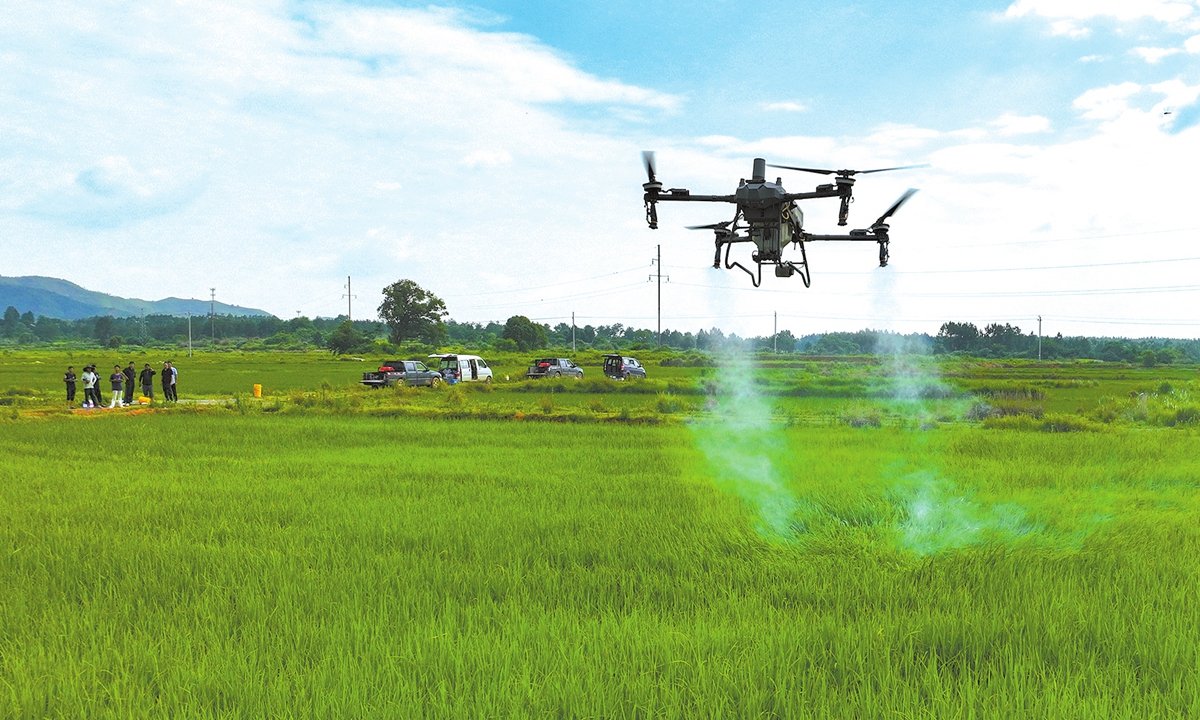
Technicians operate a drone on June 4, 2025 to protect crops at a smart agriculture demonstration site in Jishui county, Ji'an, East China's Jiangxi Province, where technologies like drone spraying, smart seedling cultivation, and 5G data platforms are widely promoted. Photo: IC
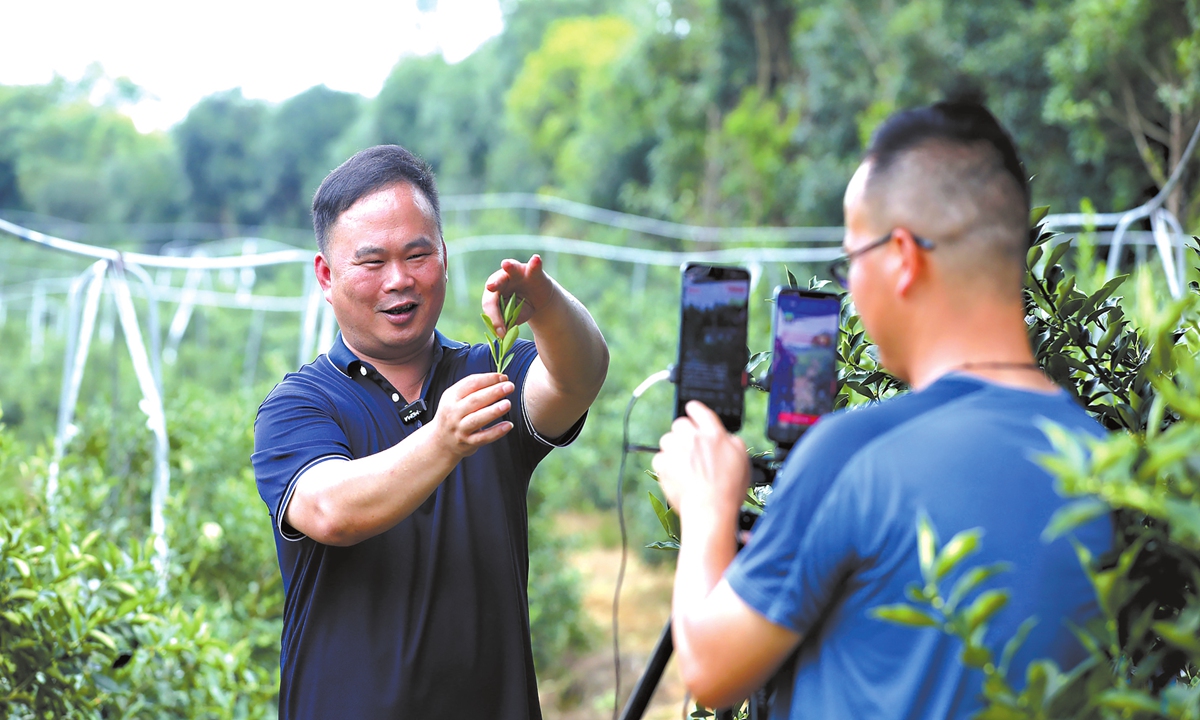
An agricultural expert gives a livestream tutorial on kumquat cultivation at a plantation base in Rongan county, Liuzhou, South China's Guangxi Zhuang Autonomous Region, on June 10, 2025. Photo: VCG
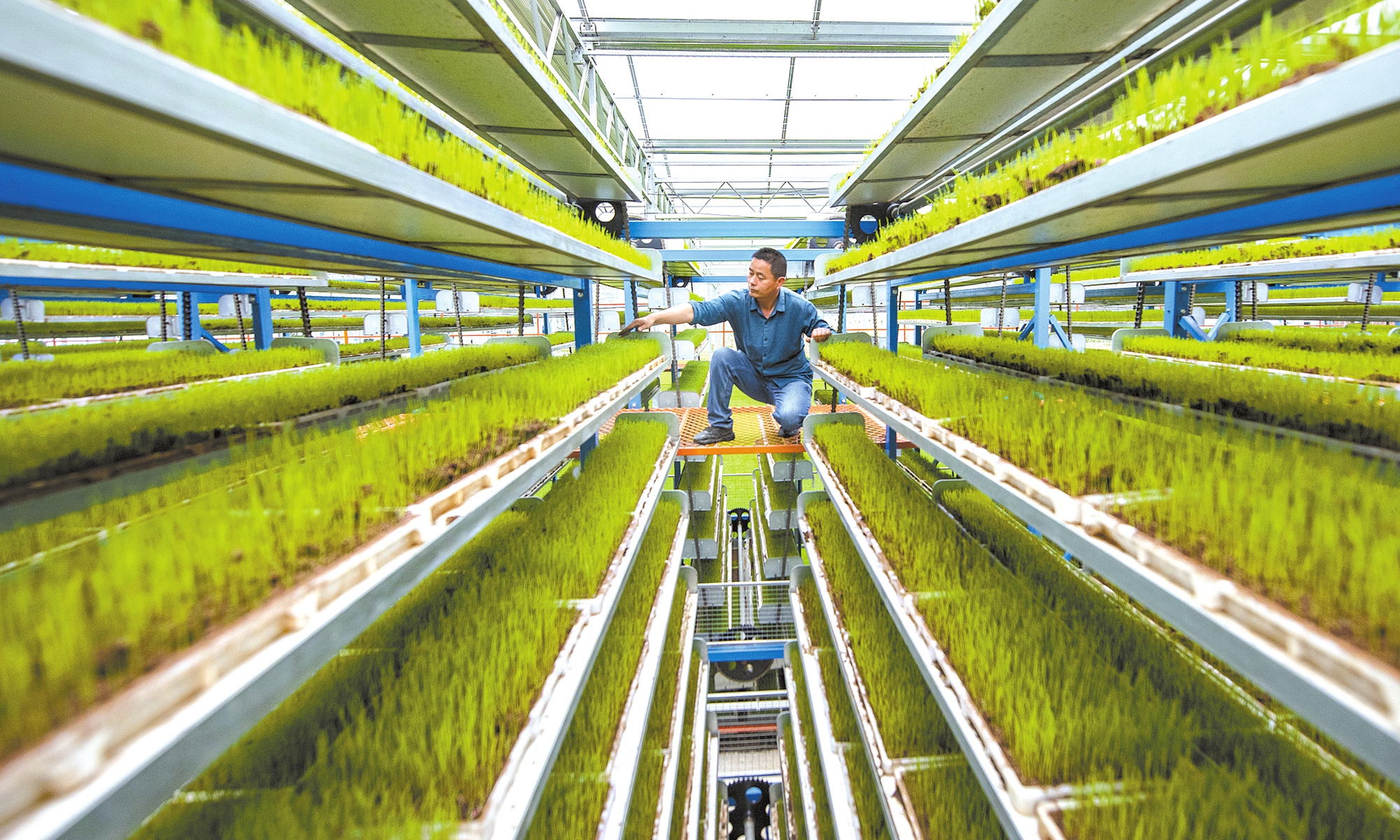
An agricultural technician inspects the growth of hybrid rice seedlings at the Hongqing digital seedling cultivation center in Wuhu, East China's Anhui Province, on May 24, 2025. Photo: VCG
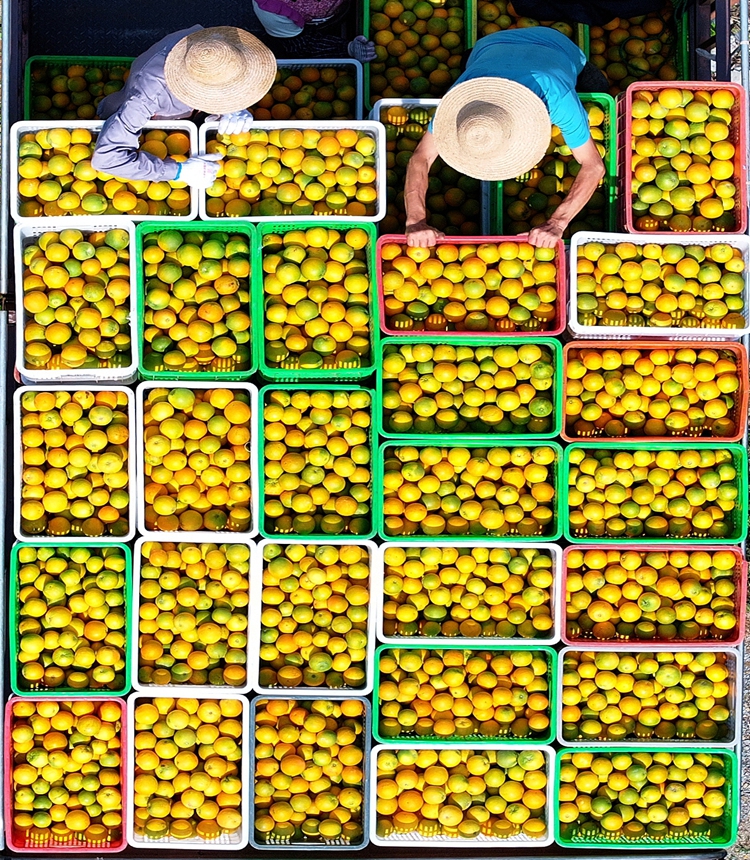
Villagers load summer oranges at a citrus plantation in Badong county, Enshi Tujia and Miao Autonomous Prefecture, Central China's Hubei Province, on June 11, 2025. Photo: VCG

Lao students at Jiangsu Ocean University learn how to weave fishing nets in Lianyungang, East China's Jiangsu Province, on June 11, 2025. Photo: VCG
Global Times