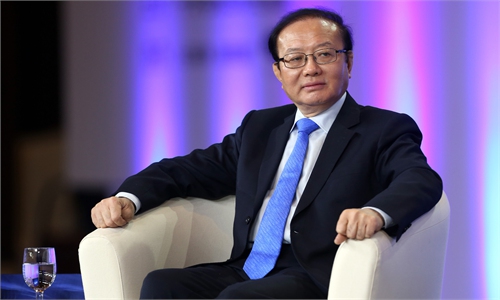
Wen Bin Photo: Courtesy of Wen Bin

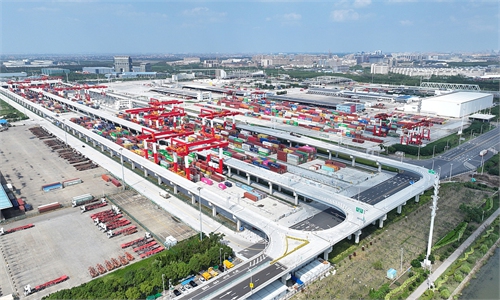
In terms of exports, exports in US dollar terms grew by 6 percent year-on-year during the first five months, displaying resilience despite the negative impact of the US tariffs. The positive momentum was further backed up by trade talks between China and the US in May and June, which helped revitalize export growth.
On the domestic consumption front, the trade-in policy produced strong results. Retail sales rose by 6.4 percent year-on-year in May, the highest growth rate seen since early 2024, exceeding broad market expectations. With the government's ongoing policy stimulus and the boost from the "618" shopping festival, household consumption is believed to have continued its upward trend in June.
Regarding domestic economic dynamism, data from May showed that the real estate market is still in need of recovery. However, as real estate companies ramped up their efforts to boost performance for the first half of the year, transactions for new homes in 30 major and medium-sized Chinese cities rebounded month-on-month in June.
Generally speaking, the pressures on the economy are manageable. It is believed that second-quarter GDP growth remained stable. The first half of the year has met expectations, laying a solid foundation for achieving the annual growth target.
Given the stronger-than-expected performance in the first half of the year, new stimulus isn't urgently needed. Policymaking remains steady, focusing on fully leveraging existing policies. Much room remains to adjust fiscal and monetary policies in response to any unexpected shifts in the domestic or external environment in the second half of the year.
On the fiscal policy front, China sped up the issuance of new special bonds in June, reaching 527.1 billion yuan ($73.53 billion). This marked two consecutive months of growth and completed 49.1 percent of the annual quota.
Regarding monetary policy, the People's Bank of China (PBC), the central bank, removed "implementing required reserve ratio and interest rate cuts at an appropriate time" in its second-quarter monetary policy committee meeting statement. Instead, it emphasized that it would "flexibly ensure the intensity and pace of policy implementation." The central bank will continue to fully utilize existing tools while deploying new ones to ensure policy effectiveness.
In terms of boosting consumption, additional funding for trade-in subsidies is on the way. In July and October, 138 billion yuan will be allocated to support consumption in the next two quarters. Additionally, six regulatory bodies, including the PBC, recently issued guidelines to strengthen financial support for consumption.
For stabilizing investment, a new policy-based financial instrument is in the works to address capital shortages for major projects, which the market analysts say will drive up substantial investment.
In support for the real estate sector, on June 13, the State Council called for "stronger measures to stabilize the property market," recommending inventory assessments of land and ongoing projects, optimized policy delivery, and coordinated efforts to boost sentiment, demand, supply, and risk mitigation.
Guangzhou took the lead by releasing a draft plan to fully remove the "three restrictions" (purchase, sale, and price) in the real estate sector - evidence that the government's supportive measures are accelerating.
The trade talks between China and the US have, to some extent, mitigated the external uncertainties facing China's economy. With ample policy room and the continuing stimulus, economic stability is expected to carry through till the end of the year.
However, some uncertainties still loom: the future direction of the US tariff policy remains unclear, the real estate market has yet to stabilize, and business and consumer confidence needs to be further shored up.
As a result, policy in the second half of this year will most likely continue to be accommodative and proactive. Both the fiscal and monetary authorities retain flexibility to scale up interventions.
The author is chief economist at China Minsheng Bank. bizopinion@globaltimes.com.cn
RELATED ARTICLES