GT Voice: Albanese’s China visit anticipated to unleash potential for bilateral cooperation
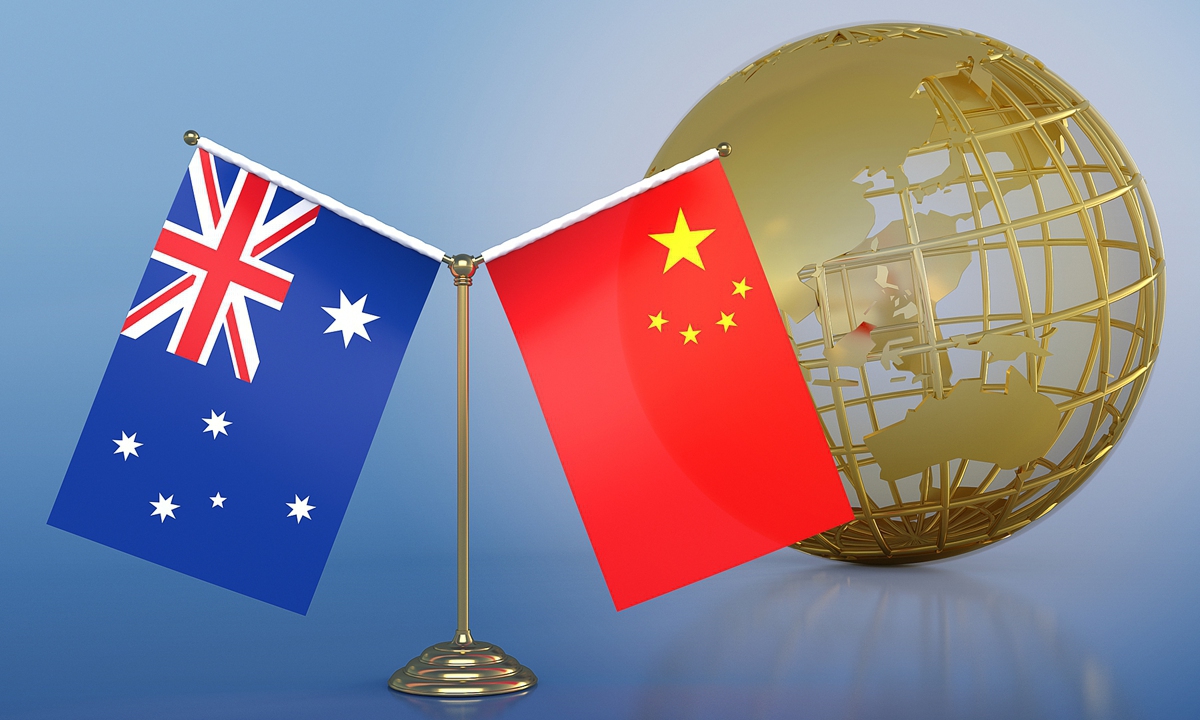
Photo: VCG
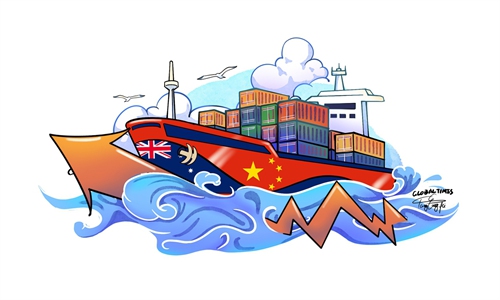
Australian Prime Minister Anthony Albanese is set to pay an official visit to China from July 12 to 18, the Chinese Ministry of Foreign Affairs announced.His itinerary clearly indicates Australia's intention to deepen economic and trade cooperation with China, which brings renewed optimism for the future of China-Australia relations. In a global landscape where protectionism is on the rise, collaboration between China and Australia is of great significance to the economic development of both sides, as well as the Asia-Pacific region.
Besides high-level meetings in Beijing, Albanese will visit Shanghai and Chengdu, where he will meet business, tourism and sports representatives and build on Australia's strong economic and trade links with China, according to a media release on the official website of the Australian prime minister on Tuesday.
His delegation will include top executives from Macquarie Bank and HSBC Holdings Plc's Australia arm, as well as from Fortescue, BlueScope Steel, Rio Tinto and BHP Group, according to the Australian Financial Review, which cited anonymous sources.
China-Australia economic and trade cooperation is showing a strong momentum of development. China has been Australia's largest trading partner, largest export destination and largest source of imports for 16 consecutive years. China provides a vast and stable consumption market for Australian minerals, wine, beef, lobster and other products. Also, China has long been Australia's largest source of international students and overseas tourists, according to a recent article published by Chinese Ambassador to Australia Xiao Qian.
What makes Albanese's visit even more anticipated is that this year marks the 10th anniversary of the China-Australia Free Trade Agreement (ChAFTA). Since its entry into force in December 2015, ChAFTA has greatly boosted trade and economic exchanges between the two countries, creating job opportunities and investments in Australia and promoting economic prosperity.
For instance, during an event celebrating the 10th anniversary of the signing of ChAFTA in June, John Brumby, former premier of Victoria, noted that ChAFTA boasts a utilization rate exceeding 96 percent, the highest among Australia's free trade agreements. The agreement not only provides greater certainty and clearer rules but, more importantly, enhances mutual trust.
In addition to traditional areas, there are also broad prospects for cooperation between China and Australia in clean energy, green steel, finance, elder care and high-tech sectors. These emerging fields offer new growth points for bilateral economic and trade cooperation, which could further enhance the resilience and diversity of China-Australia economic ties.
However, even before the anticipated visit, some voices within Australia still attempt to amplify differences. These controversial voices do not represent the mainstream direction of bilateral economic and trade cooperation. It is normal for the two to have disputes, but the key lies in how to properly resolve them.
Take the issue of Darwin Port as an example. Looking back at the history of Darwin Port, the contribution and efforts by China's Landbridge Group cannot be simply overlooked. Whether it was the construction and modernization of the port or its current normal operation, the Chinese company has made tangible efforts and provided strong support for the port's development. Australia is supposed to express gratitude instead of trying to revoke the operating rights of the Chinese company, undermining legitimate rights and interests.
Just as Ambassador Xiao Qian said in May, it is ethically questionable to lease the port when it was unprofitable and then seek to reclaim it once it becomes profitable.
Albanese's upcoming visit is aimed at deepening bilateral cooperation, especially in terms of economic issues and trade, which is undoubtedly commendable. However, it is crucial that such cooperation is founded on mutual respect, mutual benefit, and adherence to the spirit of agreements. Therefore, it is hoped that Australia demonstrates sincerity and takes practical actions to address uncertainties, creating a more stable, fair, and transparent policy environment for companies from both countries.
RELATED ARTICLES