Illustration: Liu Xidan/GT
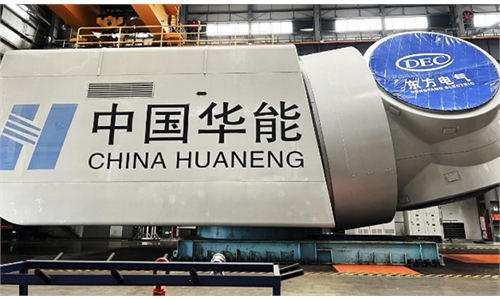
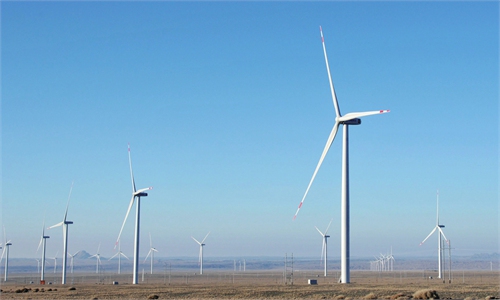
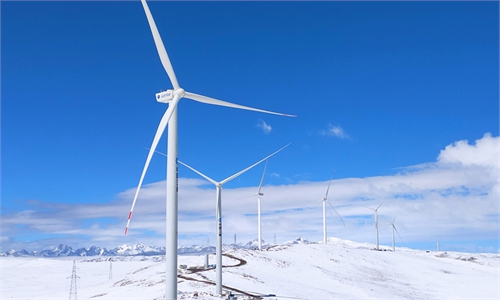
Southeast Asia's energy landscape is undergoing a transition toward new energy, with China playing a pivotal role in advancing green development through sustainable solutions. One key example of this trend is the Monsoon Wind Power Project in Laos.The first-phase 300 megawatt installation of the Monsoon Wind Power Project - a 600 megawatt wind power project in Laos and Asia's first cross-border new-energy transmission project built by PowerChina - recently began commercial operation, according to a release published on PowerChina's official website on Sunday.
This marks a milestone for the largest single-unit wind power project in Southeast Asia. It provides strong momentum for Laos' energy transition and cross-regional green power supply.
As Laos' first wind power project, its benefits extend beyond Laos. By connecting to Vietnam's grid, the Monsoon Wind Power Project plays a crucial role in regional energy security and contributes to Southeast Asia's green energy ambitions. It provides a stable, clean power supply and offers a concrete example of how renewable energy can be shared across borders, benefiting entire regions.
Leveraging its abundant hydro, wind, and solar energy resources, Laos has positioned itself as the "battery of Southeast Asia" and is fully committed to advancing the development of its power industry. Cooperation between China and Laos in the renewable energy sector is conducive to advancing related industries in Laos and boosting its electricity exports.
Laos is intensifying its efforts in the energy transition, with collaboration from China playing a key role in these initiatives. China has been a key partner in driving the development of renewable energy in Laos, providing expertise, technology, and investment. Cooperation between the two nations goes beyond wind power; Laos has also worked with China to develop its hydropower potential, which is among the major hydropower projects in the region.
For instance, the China General Nuclear Power Corporation's clean energy base in northern Laos is a key supporting power source for China-Laos power interconnection and integration. The project is planned as a large-scale clean energy base integrating wind and solar power.
China's involvement in the Southeast Asian renewable energy sector is part of a broader effort to promote green development. Over the years, China has become a global leader in renewable energy technologies, from solar panels and wind turbines to electric vehicles and energy storage systems. With its expertise and resources, China is helping Southeast Asian countries build the infrastructure needed to transition to a low-carbon economy.
China's "carbon emission reduction capabilities" are a key asset in this effort. The country has made significant progress in reducing its own carbon emissions through the deployment of renewable energy sources and the adoption of energy-efficient technologies. By exporting this technology and knowledge to countries like Laos, China is contributing to the region's green development and supporting the global effort to combat climate change.
Moreover, China's role in Southeast Asia's renewable energy sector is evolving toward building a full green value chain. This shift is creating jobs, supporting local talent development, and introducing green finance initiatives, with Chinese financial institutions offering loans for low-carbon projects.
From 2000 to 2020, China's public investment in renewable energy projects in ASEAN countries accounted for 60 percent of the total foreign public investment received by ASEAN during the same period, the Xinhua News Agency reported in September 2024.
At the same time, Chinese companies are transferring technologies and standards in wind, solar, and energy storage, enhancing local capacity to build and manage its own clean energy infrastructure.
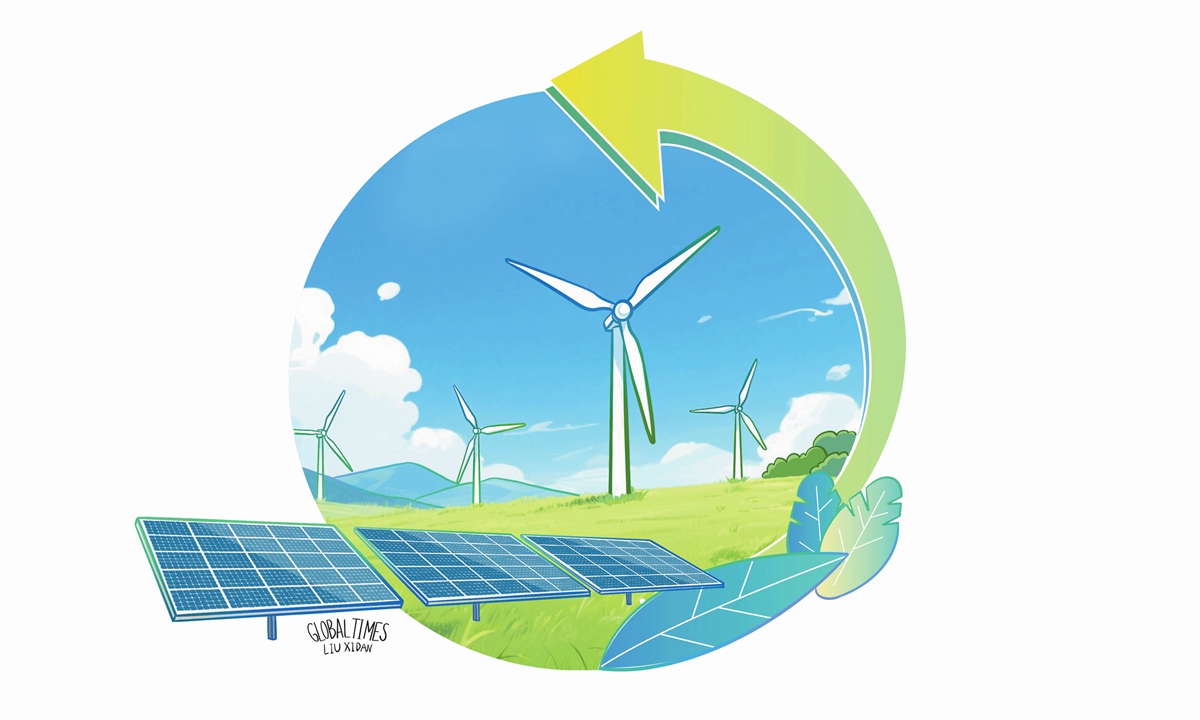
Southeast Asia faces significant energy challenges, including rising demand for electricity, environmental concerns, and the need to reduce carbon emissions. At the same time, the region is rich in renewable energy resources, such as hydro, solar, and wind, which can provide a sustainable path forward. Through partnerships exemplified by the one between China and Laos, Southeast Asia is taking critical steps toward a more sustainable future.
The author is a reporter with the Global Times. bizopinion@globaltimes.com.cn
RELATED ARTICLES