Respecting the anti-fascist literature art value of 'Dead to Rights': Global Times editorial
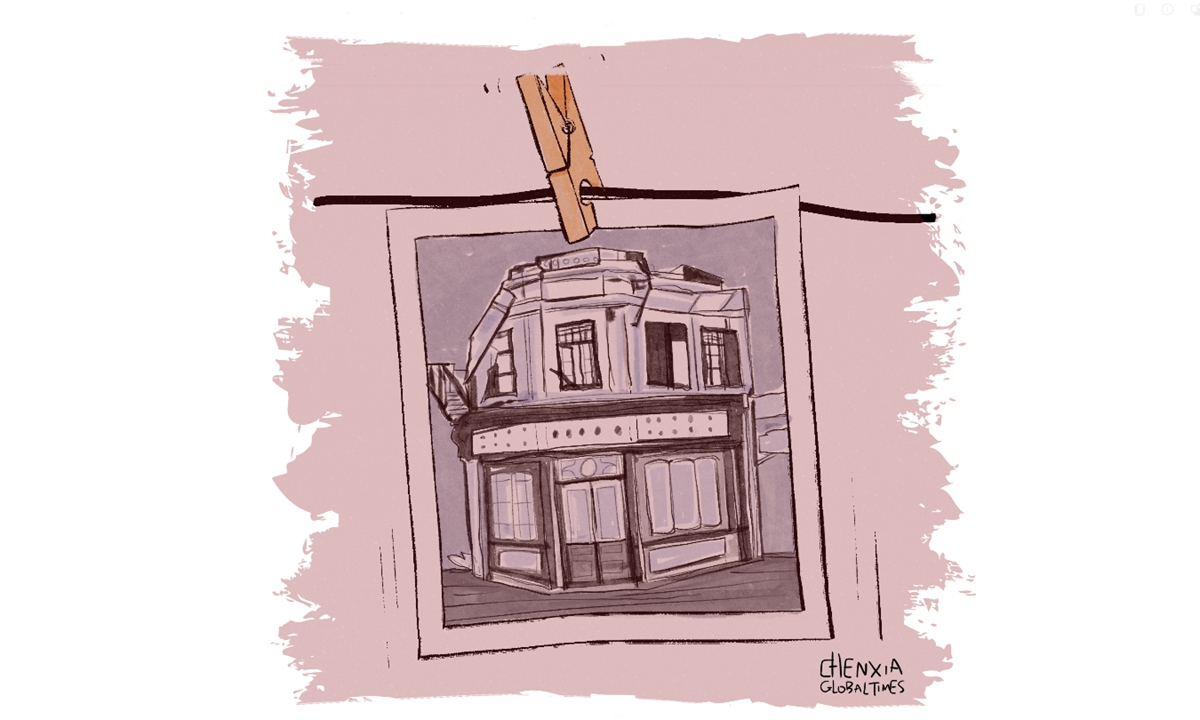
Illustration: Chen Xia/GT
Recently, the film Dead to Rights became prominent at the summer box office, grossing over 700 million yuan ($97.4 million) in just six days, with a projected total of over 3 billion yuan. The film, with its exceptional artistic quality, has achieved both critical and commercial success, becoming another phenomenal release following the Spring Festival launch of Nezha 2. However, as the film's popularity and influence continue to grow, the creative team, including the director, has encountered targeted malicious attacks on certain platforms, even resulting in personal online bullying. Undoubtedly, such online abuse is a distortion of history and a creation of historical nihilism under the guise of artistic discussion, but it is more radical and of a more severe nature, as the core subject of this film is the Nanjing Massacre committed by the Japanese military during their invasion of China.
Dead to Rights uses the transmission of camera film - a crucial piece of evidence of the Nanjing Massacre - as its central plot, echoing the recent donations by the international community of photographs and other historical materials related to the Nanjing Massacre to China. The film goes beyond the traditional routine of "forgiving" or "understanding" the invaders. Instead, through the portrayal of the changes in a young Japanese officer, it accurately points out how the atrocities of Japanese militarism, as an ecosystem, continue to reproduce and expand themselves. It also allows people to see that unless militarism is thoroughly eradicated, there will always be a risk of comeback. With such meticulous detail, the film presents subtle historical events on the big screen. It is undoubtedly a vivid microcosm of the achievements of the country's cultural industry since the beginning of the new century and a significant work in the anti-fascist literature and art.
Anti-fascist literature and art is not a uniquely Chinese artistic and cultural phenomenon; it possesses enduring vitality and profound thought worldwide, embodying the core values of human civilization. Across diverse artistic disciplines, including literature, film, fine arts and music, numerous classics and masterpieces, such as Schindler's List, Symphony No.5, The Diary of Anne Frank, The Human Condition, and Guernica, have shone with unique brilliance throughout history. These works have profoundly exposed and criticized various forms of fascism, including those in Germany, Italy, Japan and Spain, demonstrating humanity's universal hatred of and reflection on fascism. This is precisely because anti-fascist literature and art not only serves as a vehicle for historical memory but also embodies shared human values.
In this sense, the recent cyberbullying against Dead to Rights is, at its core, not only a new variant of historical nihilism, but also hinders a systematic reflection on militarism and fascism. Fascism and militarism, as "cancerous" ideologies that have emerged since humanity entered the modern era, are not confined to individual countries, nor are they independent of the modern historical process; rather, they represent a pervasive historical affliction worldwide. Whether we can truly face the immense harm that fascism has inflicted on humanity and fully draw lessons from it is directly related to our ability to build a new international order that is more peaceful, just, and reasonable. After World War II, Germany's deep reflection on its Nazi past earned widespread recognition from the international community. In stark contrast, Japan's far-right forces have, in recent years, repeatedly attempted to distort history and glorify fascist aggression. This not only reflects a refusal to learn from history but also poses new risks to peace and stability in Asia and the world. Such historical nihilism will bring harm to Japanese society as well.
While film art can certainly generate normal discussion and even criticism, we firmly oppose using it as an excuse for cyberbullying, especially stigmatizing the importance of remembering history as so-called "hate education" at this crucial historical juncture of the 80th anniversary of the victory of the Chinese People's War of Resistance Against Japanese Aggression. These actions not only distort the public's genuine evaluation of the films but also seriously disrupt the healthy development of the film industry, aiming to discredit China's progress and achievements in the new era. What is particularly worthy of vigilance is that in recent years, there have been frequent cyberbullying against films with mainstream themes and anti-fascist themes. Certain forces have been using internet trolls, as well as black and grey channels, to deliberately manufacture public opinion by exploiting seemingly apolitical cultural and entertainment topics, such as films and video games. Whether there are elements of foreign cognitive warfare against China involved in this is highly questionable.
In short, only by facing history can we move toward the future. Anti-fascist art and literature around the world serve not only as a warning echoing from the depths of history, but also as a beacon illuminating humanity's future. The greatest value of anti-fascist works lies in their ability to offer artistic, aesthetic, and spiritual reflection and inspiration for human society. As we approach the 80th anniversary of the victory in the World Anti-Fascist War, what anti-fascist cultural works defend is the fundamental dignity and moral baseline of all human civilization.
RELATED ARTICLES