ARTS / CULTURE & LEISURE
Early copper smelting site reveals Bronze Age use of pine charcoal
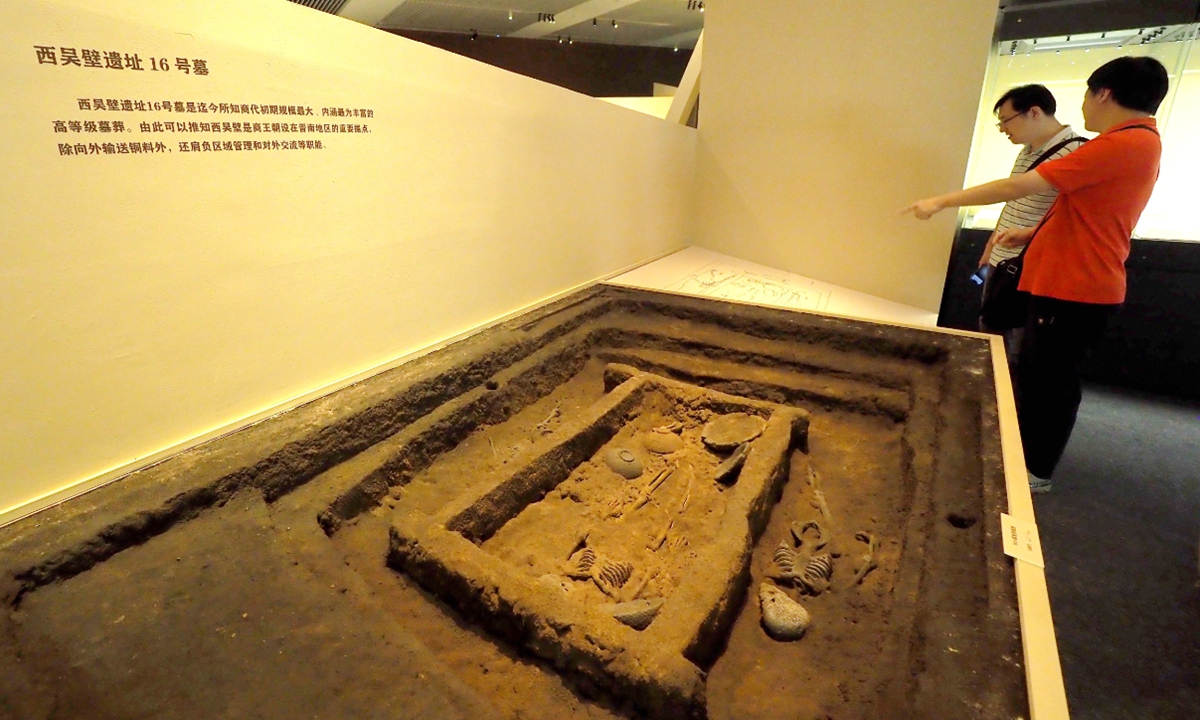
The Xiwubi site Photo: VCG
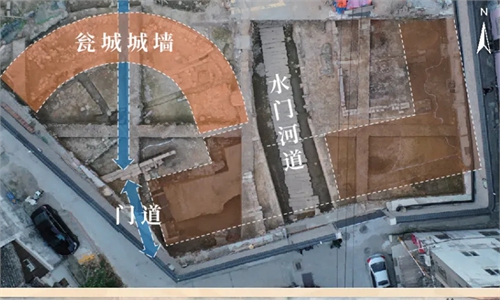
The discovery of an early copper smelting hub dating back to the Xia and Shang dynasties (c.2070BC-1046BC) at the Xiwubi site was announced by the Shanxi Provincial Institute of Archaeology on Monday. Researchers have identified the charcoal and copper slag found at the site, concluding that ancient inhabitants used coniferous wood, especially pine, to produce charcoal for copper smelting.Located in Jiangxian county in North China's Shanxi Province, the site spans approximately 1.1 million square meters, making it the largest and most artifact-rich copper smelting site from the Xia and Shang periods yet discovered in southern Shanxi.
Tian Wei, the field director of the Xiwubi excavation project, told Global Times that this marks the first discovery in the Central Plains region of such an early and highly specialized copper smelting site. It helps trace the primary source of raw materials used in Xia and early Shang bronzewares, filling a crucial archaeological gap between copper ore extraction and centralized bronze casting.
Artifacts from the site, dating back to the Erlitou cultural period, include copper ore, slag, furnace wall fragments, and other smelting-related items. These were found in association with building foundations, large refuse pits, and charcoal kilns used to prepare smelting fuel, offering valuable clues about the management of copper resources near the political core of the early Chinese states.
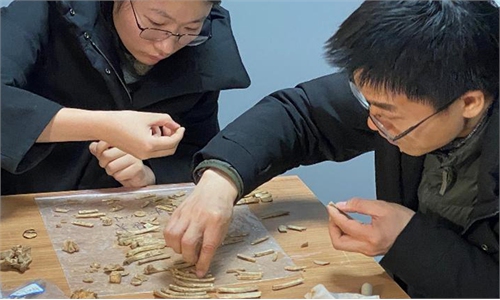
The team analyzed 85 charcoal samples and mixed slag fragments manually collected during excavations from 2018 to 2020, totaling 2,519 charcoal pieces. Results indicate that from the Erlitou to the Erligang cultural periods, the site primarily used coniferous wood, mainly hard pine, for charcoal production, with occasional use of elm, oak, and maple species.
Charcoal production facilities dating to the Erlitou period were found to be closely linked with copper smelting remains, which contained large quantities of charcoal fragments and metallurgical waste. These remains are considered vital for reconstructing the production chain of charcoal and copper smelting during the Xia and Shang dynasties.
Researchers believe that the ancient inhabitants deliberately selected large-diameter pine logs to make charcoal for copper smelting, suggesting a specialized production process. Fuel was an indispensable component of ancient handicraft industries, and the extensive use of wood for smelting provides critical material evidence for understanding the technological development of early metallurgy in ancient China.
Previous discoveries of tombs from the Shang Dynasty (c.1600BC-1046BC) at the Xiwubi site have also provided direct evidence for exploring the population composition, ritual traditions, and state structure of the Shang Dynasty in southern Shanxi.
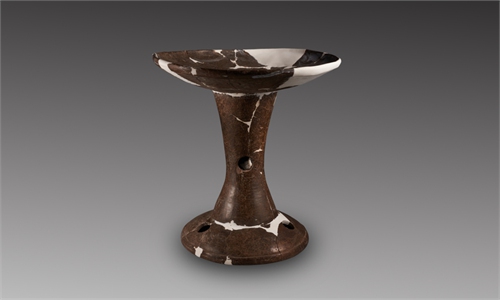
A total of 16 Shang-era tombs have been unearthed at the burial site, with 13 of them yielding grave goods, including bronze, pottery, jade, lacquerware, seashells, and turquoise artifacts. Radiocarbon dating of the human remains indicates that the cemetery was established around the 16th to 15th centuries. Cultural analysis of the accompanying pottery suggests the presence of both indigenous southern Shanxi elements and typical Shang cultural traits.
Among the tombs, a large one designated M16 stood out for its abundant grave goods. It is currently the largest and most richly furnished Shang-style tomb of the lower Erligang phase discovered in China. Based on the findings, archaeologists believe that Xiwubi served as a central settlement established by the Shang Dynasty in what is today southern Shanxi, functioning not only as a hub for copper smelting and distribution but also as a center for regional administration.
"Research on wood fuel is often constrained by preservation conditions. At present, studies of wood fuel in craft production remains have largely focused on the iron smelting and casting industries, while archaeological research into wood fuel used in pottery, porcelain making, and copper smelting and casting remains requires greater attention," Tian said.
Tian noted that these findings collaboratively offer rare physical evidence for studying how the Xia and Shang states controlled, developed, and utilized copper as a strategic resource.
RELATED ARTICLES