File photo: VCG
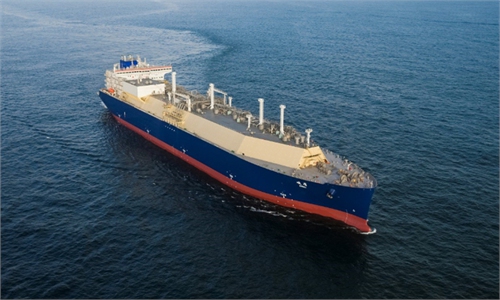
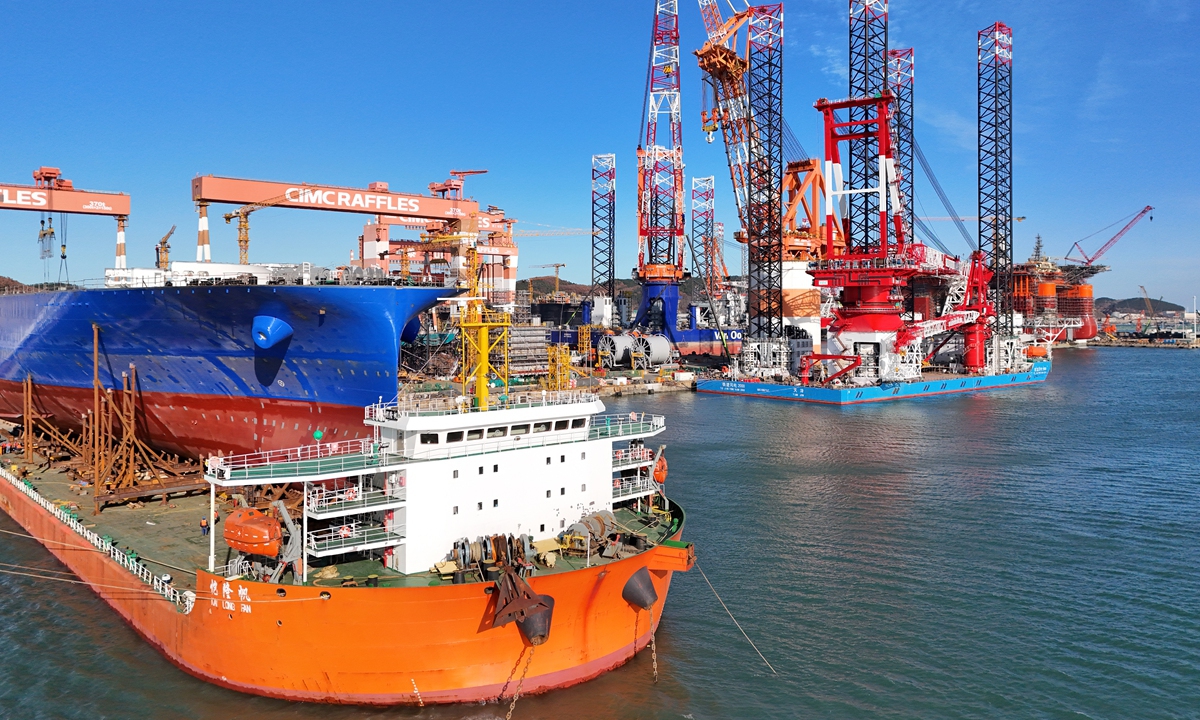
Amid intensifying global competition, the merger of China's two largest shipyards signifies not only a pivotal step toward the optimization of the industrial structure within the Chinese economy but also represents a strategic initiative aimed at bolstering competitiveness on the international stage.China CSSC Holdings and China Shipbuilding Industry Co (CSIC) announced in stock exchange filings on Monday night the suspension of trading in their shares, as CSSC Holdings will issue new A shares to all CSIC shareholders in exchange for their current holdings, in the largest absorption merger ever recorded in China's A-share market.
Once the merger is completed, CSSC Holdings will become the world's largest listed shipbuilding company in terms of assets, revenue, and order book, according to the China Shipping Gazette.
This event is more than a milestone in China's shipbuilding industry - it represents a crucial step in advancing domestic industrial adjustment within the Chinese economy. One of its core objectives is to resolve inefficiencies within the sector, optimize resource allocation, and inject strong impetus into Chinese enterprises' competitiveness in the international market.
As A-share listed companies under China State Shipbuilding Corp, China CSSC Holdings and CSIC have some degree of overlap in their ship assembly businesses. This has resulted in prolonged competition between the two entities in various critical areas such as market expansion, technological research and development (R&D), and resource allocation. This has caused a dispersion and waste of valuable resources and hindered the overall development efficiency of both companies, as well as the broader shipbuilding industry. Under these circumstances, promoting industrial optimization and upgrading and increasing industrial concentration is an inevitable way to address involution.
Moreover, the global shipbuilding industry has experienced a notable recovery in recent years, characterized by continuous improvements in key indicators such as global shipbuilding completion volumes, new orders, and backlog orders. This positive trend presents shipbuilders with invaluable development opportunities.
By capitalizing on this pivotal moment, the merger will integrate the complementary strengths and resources of both companies, which will enhance operational synergies and reduce competition among the entities, ultimately leading to improved operational efficiency.
The deal will play a crucial role in advancing the high-end, green, intelligent, digital, and standardized development of China's shipbuilding industry. After the merger, China State Shipbuilding Corp will be able to coordinate the R&D, production bases, and supply chain resources of the two companies.
Furthermore, the merger is expected to enhance the Chinese shipbuilding industry's competitiveness in the international market and provide solid support for coping with the complex global competitive landscape. In recent years, the US has launched crackdowns against China's shipbuilding industry, such as the so-called Section 301 action targeting China's maritime, logistics, and shipbuilding sectors, and the port fee plan.
In this context, the synergy brought by the integration of China's shipbuilding resources will comprehensively enhance international competitiveness. On a technical level, concentrated R&D efforts can accelerate advancements in cutting-edge technologies. From a market perspective, a unified overseas marketing system can more effectively address the needs of international customers.
Given the global trends in industrial development, shipbuilding - a capital-intensive, technology-driven, and long-cycle industry - is likely to experience increased concentration. The merger of these two shipyards represents a proactive strategy by China's shipbuilding industry to align with this trend. It serves as a strategic initiative to tackle internal challenges while effectively coping with external pressures, ultimately shaping the future of China's shipbuilding sector and profoundly influencing the global shipbuilding landscape.
RELATED ARTICLES