Photo:VCG
Australia should avoid shielding criminals and interfering in China's internal affairs regarding Hong Kong Special Administrative Region (HKSAR)'s lawful enforcement actions, two Chinese experts stated Sunday, in response to a Reuters report that Australia had granted asylum to a Hong Kong fugitive evading China's national security law.
Last December, HKSAR government issued a notice, listing seven anti-China disruptors as absconders, including Ted Hui Chi-fung and Dennis Kwok Wing-hang. Measures have been implemented against them, including canceling their passports. These absconders have been engaging in acts and activities endangering China's national security. After the warrants of arrest were issued and before the specification was made, these absconders who fled to the US and Australia respectively have not returned to Hong Kong to surrender themselves, according to the notice.
Ted Hui has been granted asylum in Australia, citing his Facebook post on Saturday, more than four years after he left Hong Kong where he faces criminal charges over the 2019 anti-China protests, Reuters reported. Hui claimed he had received written notice from the Australian Department of Home Affairs on Friday approving his claim and that his wife, children and parents were also granted visas, according to the report.
Reuters noted that Australia's Home Affairs Department did not immediately respond to emailed questions sent after business hours.
Australia's provision of asylum to criminals wanted by China, if it's proven true, not only violates international law and the basic norms of international relations, but also constitutes a gross interference in China's internal affairs, Chen Hong, a professor and director of the Australian Studies Centre at East China Normal University, told the Global Times on Sunday.
The expert urges Australia not to engage in such erroneous actions and refrain from providing asylum to criminals, so as to avoid damaging China-Australia relations.
It is unwise for Australia to jeopardize China-Australia bilateral relations by granting fugitives and criminals the status as an asylum. The Australian government has made a mistake to interpret Hong Kong's affairs and judicial independence, Chu Kar-kin, a veteran commentator based in the HKSAR and member of the Chinese Association of Hong Kong and Macao Studies, told the Global Times on Sunday. Chu urged Australia to make necessary corrections to restore confidence to the Australia legal system at home and abroad.
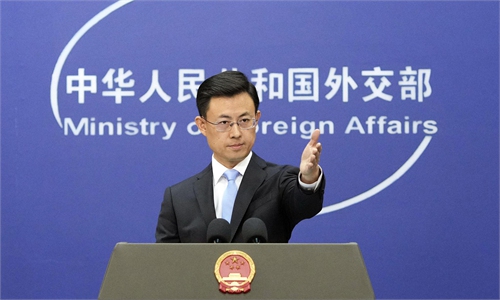
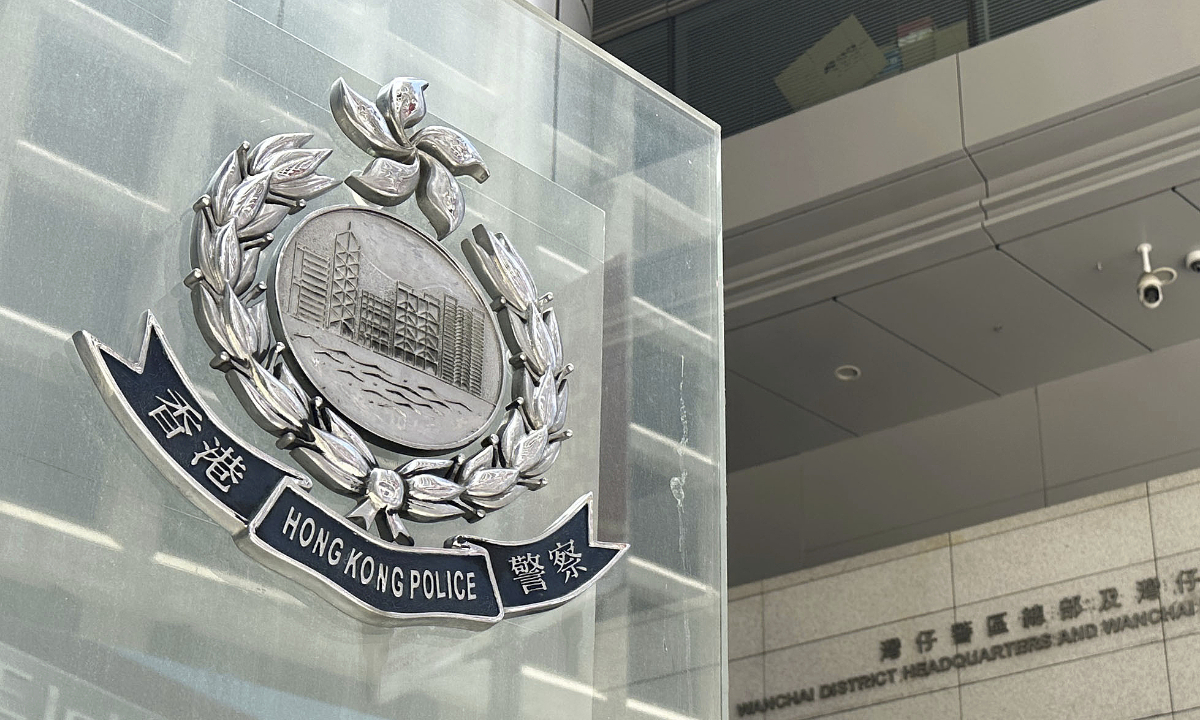
In response to media inquiry over reports that members and associate members of the G7 Rapid Response Mechanism issued a statement recently, attacking and vilifying the decision of the Hong Kong police to issue arrest warrants on persons involved in the illegal election activities of the "Hong Kong Parliament," and referring to it as "transnational repression," Chinese Foreign Ministry spokesperson Lin Jian said on August 11 that China strongly deplores and firmly opposes members of the G7 and relevant Western countries and institutions making irresponsible comments on the law enforcement activities of the HKSAR government.
The law enforcement actions taken by the Hong Kong police against anti-China, destabilizing persons overseas are in accordance with the Hong Kong National Security Law and the Safeguarding National Security Ordinance and are in line with international law and common practices, Lin said.
"They are lawful, justified and necessary," Lin emphasized, noting relevant countries' accusations of "transnational repression" against the Hong Kong police are utterly groundless. Certain countries have abused "long-arm jurisdiction" and imposed illicit unilateral sanctions, while attacking and smearing the legitimate law enforcement actions of the Hong Kong police, fully exposing its hypocrisy and double standards, said Lin.
"The central government of China firmly supports the Hong Kong police in taking lawful actions against anti-China, destabilizing fugitives overseas and organizations to safeguard national security and ensure Hong Kong's long-term stability. We urge the relevant countries and institutions to stop emboldening anti-China troublemakers and stop interfering in China's internal affairs," the Chinese spokesperson said.
Australian Prime Minister Anthony Albanese made an official visit to China from July 12 to 18, when the two countries reached an important consensus on deepening and expanding mutually beneficial cooperation.