Illustration: Liu Xidan/GT
How have US tariffs affected global trade? The Port of Hamburg in Germany has provided some valuable insights with latest data. Despite a 19.3 percent decline in container throughput with the US in the first half, the port saw a 3.6-percent increase in seaborne cargo throughput and a 9.3-percent rise in overall container throughput, indicating a stable growth trend. Where did this growth come from?According to data released by the Port of Hamburg Marketing on Monday, container throughput reached 4.2 million standard containers (TEU) from January to June. Markets in Asia and the Baltic Sea region showed positive trends. Throughput on the China route grew by 10.5 percent to 1.2 million TEUs, proving to be a strong growth market for throughput.
Hamburg is home to Germany's largest port. According to the Port of Hamburg Marketing, among the port's most important partner countries, only the US recorded a decline, which can be attributed to the upheavals caused by the US administration's trade policy. In July, the EU and the US agreed on a trade deal imposing a 15 percent tariff on European exports to the US. This tariff is expected to significantly affect trade between the US and Europe.
A pressing issue for Europe right now is figuring out how to offset the losses in trade with the US by finding new growth opportunities. The recent data from the Port of Hamburg offers reassurance that this is achievable. There are viable paths to explore for new growth.
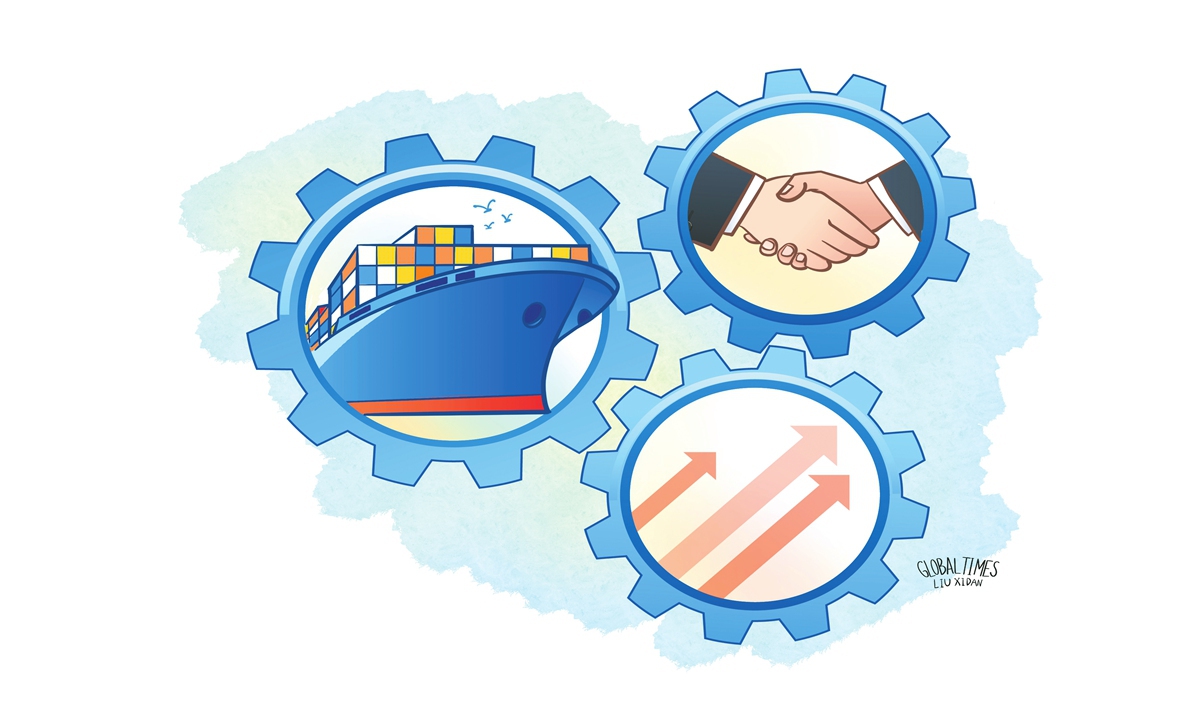
Asian markets hold vast potential as a source of new growth. The challenge lies in how to translate this potential into reality, which requires a series of concrete efforts. First, enhancing maritime and land routes to improve connectivity is essential. This would facilitate smoother trade flows and strengthen economic ties with Asian partners.
Axel Mattern, CEO of Port of Hamburg Marketing, noted in an article on the association's website that "we are delighted that the Port of Hamburg is able to benefit to this extent from new liner services and the restructuring of the shipping companies." This highlights the strategic importance of adapting to the evolving landscape of global trade.
Second, expanding mutual market access is crucial. By promoting trade facilitation, especially for rapidly growing product categories, Europe can tap into the burgeoning demand in Asian markets, and vice versa. This involves reducing trade barriers and streamlining customs procedures to make it easier for businesses to engage in cross-border trade.
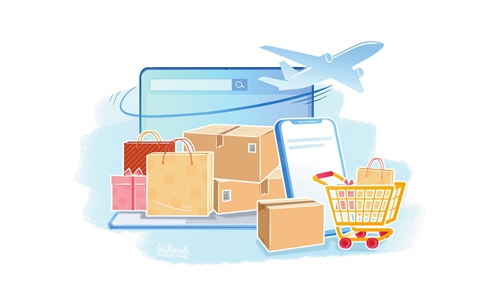
Third, embracing new trade models, such as cross-border e-commerce, can inject fresh vitality. By leveraging digital platforms, European businesses can reach a wider audience in Asia, offering a diverse range of products and services. This approach not only diversifies trade channels but also fosters competitiveness in the global market.
Asia is home to many emerging economies, each with unique characteristics and opportunities. As the middle class expands across the region, there is significant potential for robust consumer growth. For EU economies, this translates into promising opportunities for exports to Asia. However, the rapidly changing consumer markets and diverse cultural landscapes also present a challenge. EU economies need to be agile and innovative, adopting new strategies to effectively tap into Asia's consumer potential and convert it into tangible export growth.
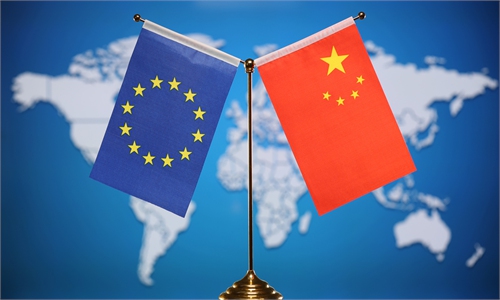
As trade between the US and the EU remains under pressure, it's crucial for Europe to focus on other trading partners instead of turning to protectionism. Expanding free trade, rather than shrinking it, is essential. This requires the EU to be careful with its trade policies, staying open and flexible as global dynamics change, rather than erecting trade barriers for countries in Asia, including China.
Even with a notable 19.3 percent decline in container throughput with the US, the Port of Hamburg managed to achieve steady growth. This outcome offers a valuable perspective for European economies, highlighting the importance of seeking new trade opportunities to offset losses and sustain economic momentum.
RELATED ARTICLES