China’s total electricity consumption hits historic 1 trillion kilowatt-hour mark in July
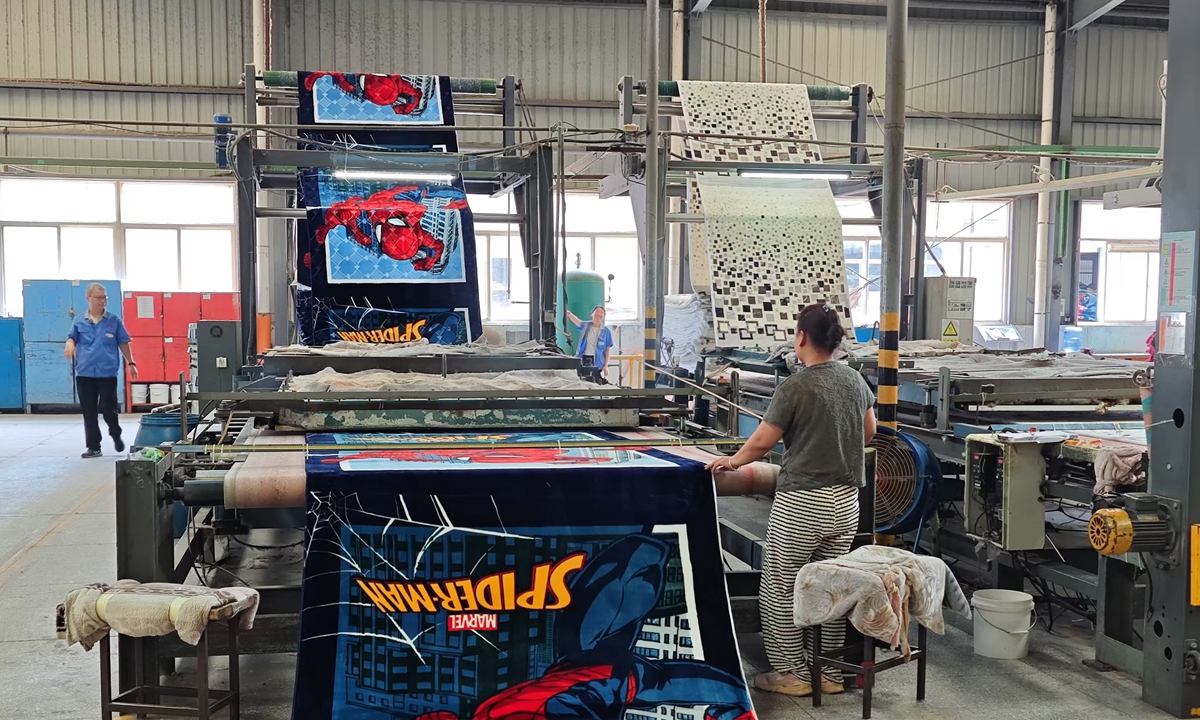
On the production line at Feiyan Blanket Co in Lianyungang, East China's Jiangsu Province, automated equipment processes a blanket for export on August 5, 2025. Photo: Yin Yeping/GT
China's total electricity consumption in July made history by surpassing the 1 trillion kilowatt-hour threshold, reaching 1.02 trillion kilowatt-hours, up 8.6 percent year-on-year, according to data released by the National Energy Administration (NEA) on Thursday.
The growth was driven by multiple factors including prolonged heat waves, stable economic performance and the transition to new energy, an industry analyst said.
The figure was double that of 10 years earlier. Successive rounds of extreme heat, together with steady growth in industrial production, jointly fueled the sharp increase in power demand, said the NEA.
Primary industry consumed 17 billion kilowatt-hours in July, up 20.2 percent year-on-year, while secondary industry consumed 593.6 billion kilowatt-hours, up 4.7 percent and tertiary industry consumed 208.1 billion kilowatt-hours, up 10.7 percent.
Driven by persistently hot and humid weather, electricity load hit record highs across many regions, with urban and rural household consumption reaching 203.9 billion kilowatt-hours, up 18 percent year-on-year. Household power use in major provinces such as Central China's Henan Province, Northwest China's Shaanxi Province, and East China's Shandong Province surged by more than 30 percent.
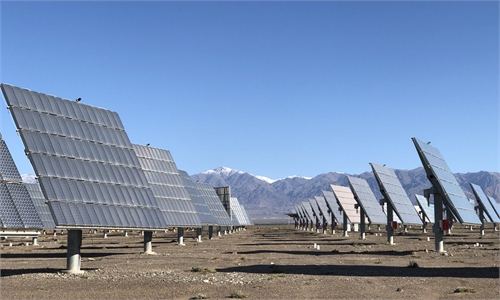
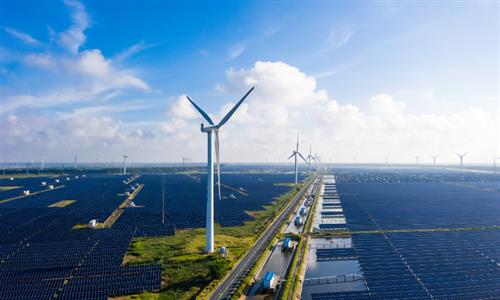
The July data also showed a marked rise in the share of new energy. Power generation from wind, solar, and biomass increased rapidly, accounting for nearly one-fourth of the total, highlighting the accelerated pace of China's green energy transition.
In the first seven months, China's total electricity consumption reached 5.86 trillion kilowatt-hours, up 4.5 percent year-on-year, of which electricity generation by large-scale industrial enterprises amounted to 5.47 trillion kilowatt-hours, accounting for around 93 percent of the total.
As electricity consumption is a barometer of the economy, behind the numbers lies the broader trend of China's deepening economic transformation and upgrading, with new growth drivers gaining strong momentum, analysts said.
The rise in energy consumption is being driven by multiple factors, including increased use of air conditioners during the summer, reflecting improvements in living standards, Lin Boqiang, director of the China Center for Energy Economics Research at Xiamen University, told the Global Times on Thursday.
The rise in energy consumption also reflects the resilience and stability of China's economy, as industrial production continues at a strong pace, Lin added.
Global Times
RELATED ARTICLES