HKSAR leverages ‘super-connector’ role with Middle East: financial chief
By Published: Aug 24, 2025 09:46 PM

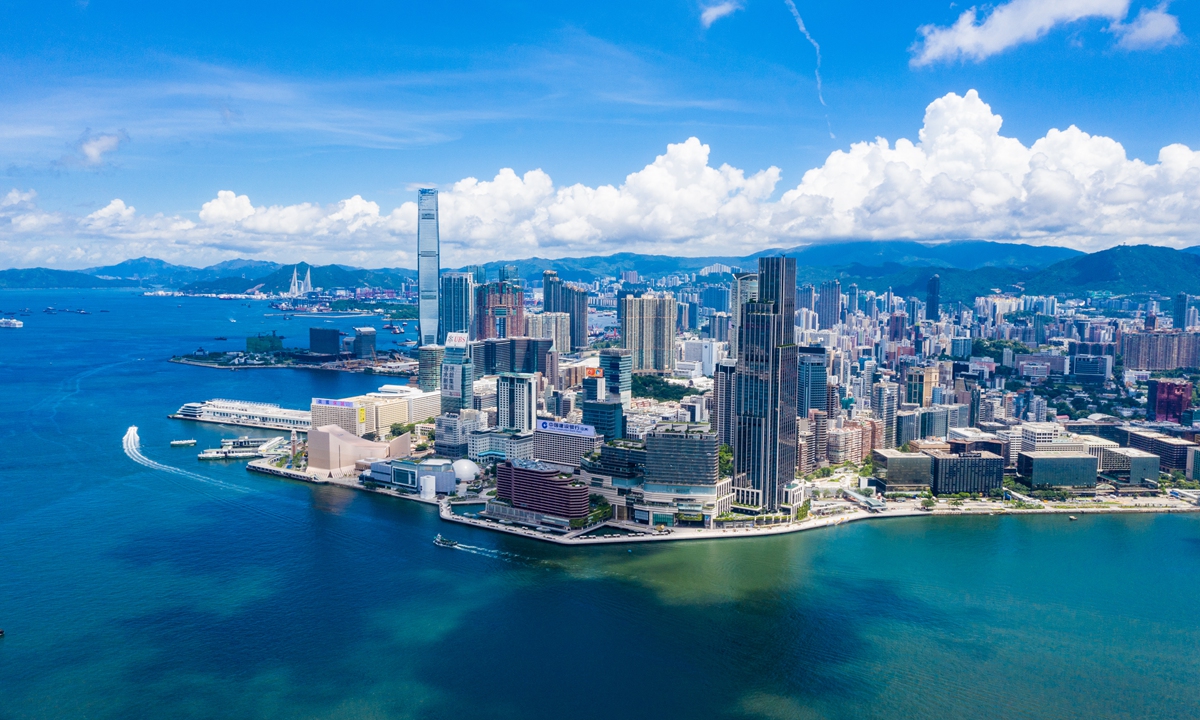
A view of Kowloon City, Hong Kong Photo: VCG
Hong Kong's pivotal role as a "super-connector" and "super value-adder" could be fully leveraged with the Middle East, as China is actively promoting enhanced cooperation with Global South countries, the Hong Kong Special Administrative Region (HKSAR)'s Financial Secretary Paul Chan Mo-po said on Sunday.
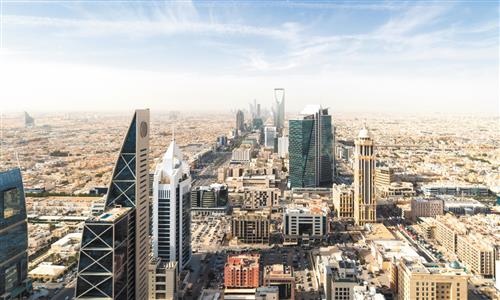
In an article posted on the HKSAR government's official website, the HKSAR financial chief also said the city is pressing ahead with the establishment of a trade office in Riyadh, Saudi Arabia, to further promote economic and cultural relations between Hong Kong and the Middle East and North Africa.
In recent years, numerous Middle Eastern nations have unveiled ambitious visions and blueprints focused on economic diversification beyond energy industry By accelerating development in infrastructure, finance, and innovative technology, these plans are creating significant new opportunities for Hong Kong's financial, innovation and technology, and professional services sectors, Chan said.
Meanwhile, recent geopolitical shifts have prompted Middle Eastern investors to seek investment opportunities beyond the US and Europe for risk diversification. Hong Kong's highly internationalized market, deep connectivity with the Chinese mainland and regulatory framework aligned with global standards make it an ideal platform for diversified asset and treasury management, Chan added.
These moves come as personnel exchanges between HKSAR and the Middle East become increasingly frequent.
The number of visitors from Gulf countries to Hong Kong increased by 70 percent year-on-year last year, and by more than half in the first seven months of this year, and the total bilateral trade between Hong Kong and the Gulf region reached HK$150 billion ($19.2 billion) last year, with an average annual growth rate of approximately 11 percent over the past five years, according to Chan.
The HKSAR government has been strengthening efforts to deepen cooperation with the Middle East. For example, John Lee Ka-chiu, chief executive of the HKSAR, in May led a business delegation comprising representatives from Hong Kong and Chinese mainland enterprises to Qatar and Kuwait, reaching 59 memorandums of understanding and agreements.
Chan emphasized that the Hong Kong stock market has performed strongly since the end of September last year, attracting more Middle Eastern funds to the Hong Kong financial market.
Recently, many IPOs in Hong Kong have had funds from the Middle East as cornerstone investors, with investment amounts exceeding $100 million, reflecting that Hong Kong stocks are attracting more diversified new funds.
Data cited by Chan showed that to date, two exchange-traded funds (ETFs) tracking the Saudi Arabian market have been listed on the Hong Kong Stock Exchange, while two ETFs tracking Hong Kong equities are traded on the Saudi exchange. As of last week, the combined market capitalization of the two Hong Kong-focused ETFs surpassed HK$16 billion, reflecting a gain of approximately 30 percent since their debuts.
Data from the IMF showed that the position of three Gulf countries, Saudi Arabia, Kuwait, and Bahrain, in Hong Kong securities investments increased to $6.3 billion in 2023, according to Chan.
Liang Haiming, dean of the Belt and Road Research Institute at Hainan University and a close observer of the Hong Kong economy, told the Global Times on Sunday that Hong Kong's agility in responding to global trade disruptions underscores its strategic position as a regional hub. By forming partnerships with Chinese mainland companies in the planning and execution of overseas projects, including those in the Middle East, Hong Kong can beef up its competitiveness through its strengths in infrastructure financing, risk management, legal arbitration, and tax consulting.
Chan also emphasized that Middle Eastern nations are seeking to accelerate domestic infrastructure development, adopt more innovative technologies, and advance industrial growth. These efforts are expected to generate substantial opportunities for Hong Kong's start-ups, tech enterprises, and professional services firms. In particular, they offer technology companies expanded avenues for the application and commercialization of research outcomes.
RELATED ARTICLES