ARTS / BOOKS
SCO strengthens mutual understanding, friendship
Common future based on the ‘Shanghai Spirit’
Editor's Note:
The Shanghai Cooperation Organization (SCO) Summit is expected to guide the SCO to enter a new stage of high-quality development featuring more solidarity, coordination, vitality and contribution, and build a closer SCO community with a shared future.
The Global Times reporter Dong Feng recently interviewed foreign envoys in China to share their understanding of the "Shanghai Spirit" and their perspectives on people-to-people exchanges under the SCO framework.
Over the nearly 76 years since the establishment of diplomatic ties, people-to-people and cultural exchanges have consistently been an inexhaustible driving force for the sustained growth of China-Russia relations, laying a solid foundation of public support for the relationship. During 2024 and 2025, the China-Russia Years of Culture, China and Russia have held hundreds of cultural exchange activities. This has further solidified the public opinion foundation for friendly relations between the two countries, making a significant contribution to the high-level development of bilateral relations.
"These projects, often targeting specific audiences and local communities, complement large-scale official initiatives, enabling deeper and more sustainable interactions among the peoples of member states. Research indicates that such targeted projects tend to be more memorable and emotionally significant than large official events, amplifying their influence on public opinion," Director Urzhumtseva said.
On July 29, the 18th Meeting of the Youth Council of the Shanghai Cooperation Organization was held at the SCO Secretariat in Beijing.
Young people are the key force in inheriting and promoting the "Shanghai Spirit." They also shoulder a responsibility to participate more actively in the transformation of the global governance system and promote global governance in a more just and reasonable direction.
The SCO University, an important educational cooperation platform under the framework of the SCO, which is also an educational cooperation project jointly promoted by SCO member states, carries the key function of strengthening cooperation and exchanges. It plays a critical role in promoting the coordinated development of educational and cultural exchanges among member universities.
Since its establishment in 2007 under Russia's initiative, over 800 universities from SCO countries have joined the network.
Through the sharing of academic resources and joint talent development, the SCO University is deepening educational cooperation in 11 priority areas. The program has become a key force in promoting the regional educational cooperation as well as scientific and technological innovation.
"Through joint learning, scientific research, and extracurricular activities, youths from SCO countries gain a deep understanding of each other's cultural diversity, values, and historical traditions. This helps eliminate stereotypes and build a common future based on the principles of the 'Shanghai Spirit.' By studying at the SCO University, young people feel they're part of the 'SCO family,'" said Director Urzhumtseva.
Talking about the dual value of the SCO's cultural and people-to-people cooperation in Russia-China relations and regional cooperation, the director said, "For me, as a historian, philologist, and economist, the value of cultural cooperation is that it not only strengthens mutual understanding and trust between countries and peoples, but also creates concrete economic and social benefits."
"I would like to especially emphasize the significance of people-to-people diplomacy today, as we mark the 100th anniversary of 'People's Diplomacy,' in Russia," she said.
Cultural cooperation brings us economic benefits through the development of cultural industries - tourism, cultural-creative sectors, and much more. Cultural understanding brings the most precious element in relations - trust. And trust positively impacts trade and economic cooperation.
In turn, the economy helps preserve our most important cultural asset - the intangible heritage of humanity, the director added.
Meanwhile, Russia and China in 2025 mark the 80th anniversary of victory in the Great Patriotic War and the War of Resistance against Japanese Aggression respectively. The joint Russian-Chinese film Red Silk narrates an important chapter of our shared history in a feature format.
"This film has already found its audience in Russia, and I truly hope that it will also gain a following among Chinese moviegoers," Director Urzhumtseva noted, saying that the center will soon screen the film.
From her perspective, the director shared that Russian movie viewers have found the film both engaging and educational. "Many have noted that it not only entertains, but also serves as a reminder of the important historical events that shaped relations between Russia and China. It has also been highlighted that the film represents an 'innovative practice of cultural cooperation' between the two countries, adding to its value in the eyes of the audience," she said.
The director has also shared her observations on tourism cooperation. Since the resumption of visa-free group tours between China and Russia, there has been a significant increase in bilateral tourist flows. The simplification of visa procedures reduces time and costs for tour operators and travelers.
Tourism within the SCO not only stimulates the economy, but is also a bridge for dialogue among civilizations, the director said.
Joint events such as "Moscow Seasons" in Beijing and the "China-Russia Cross-Border Carnival" in Suifenhe allowed for a deeper understanding of each other's culture and traditions and the strengthening of people-to-people diplomacy. The creation of new specialized routes, such as the "Silk Road 2.0" and "Amber Route," focusing on historical and cultural sites, will enrich the travel experience of tourists, she added.
"The Russian Cultural Center in Beijing views SCO initiatives as an opportunity to deepen cultural cooperation and transition from one-off projects to long-term programs. For further success, it is essential to continue dialogue among all stakeholders, including governments, cultural institutions, and civil society," Director Urzhumtseva concluded.
The Russian Cultural Center in Beijing plays a key role in implementing and developing SCO initiatives in the cultural sphere. One of the priority areas is the use of digital technologies to promote cultural heritage. The center will promote cooperation in film, music, and theater. This will help create a common cultural space for SCO countries, the director said.
The Shanghai Cooperation Organization (SCO) Summit is expected to guide the SCO to enter a new stage of high-quality development featuring more solidarity, coordination, vitality and contribution, and build a closer SCO community with a shared future.
The Global Times reporter Dong Feng recently interviewed foreign envoys in China to share their understanding of the "Shanghai Spirit" and their perspectives on people-to-people exchanges under the SCO framework.
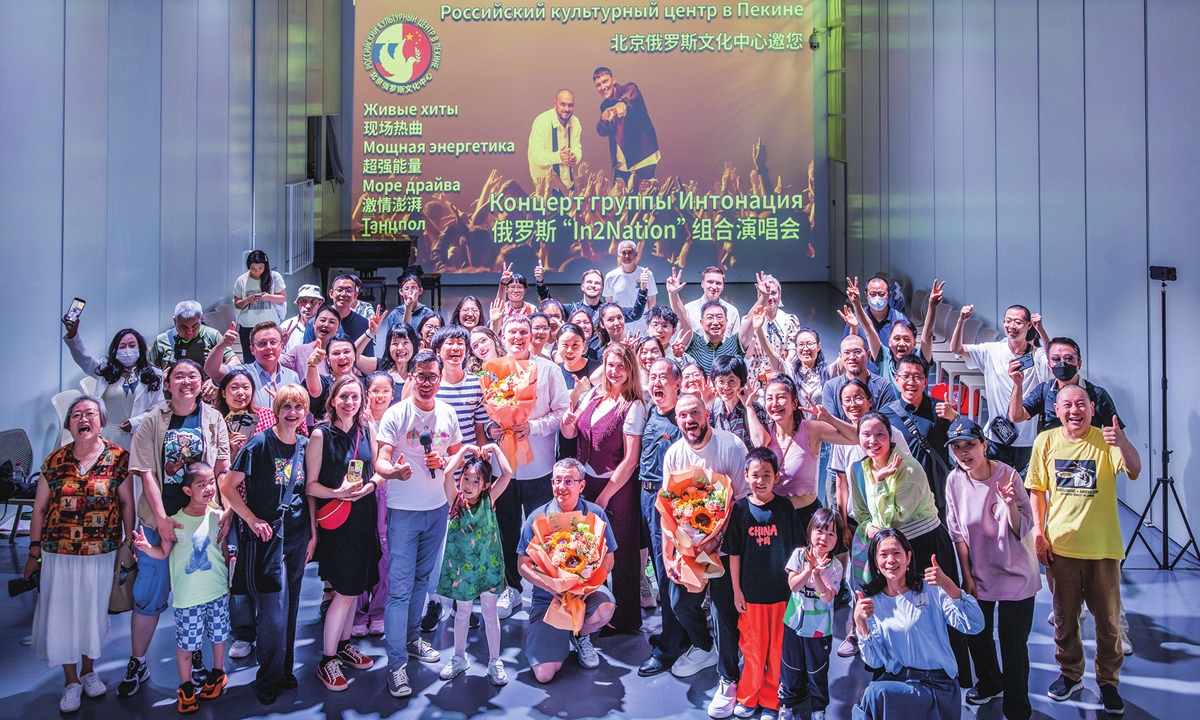
The Russian Cultural Center in Beijing hosts a concert to celebrate friendship and music on July 15, 2025. Photos: Courtesy of the Russian Cultural Center in Beijing
In the context of globalization, cultural exchange has become a key tool of soft power and sustainable development, Tatiana Urzhumtseva, director of the Russian Cultural Center in Beijing told the Global Times in an exclusive written interview, noting that the role of "small but beautiful" projects in strengthening public support for cultural cooperation within the SCO is significant and multifaceted. The efforts have transformed the abstract principles of the "Shanghai Spirit" into tangible experiences that the citizens of SCO countries can see, touch, and feel.Over the nearly 76 years since the establishment of diplomatic ties, people-to-people and cultural exchanges have consistently been an inexhaustible driving force for the sustained growth of China-Russia relations, laying a solid foundation of public support for the relationship. During 2024 and 2025, the China-Russia Years of Culture, China and Russia have held hundreds of cultural exchange activities. This has further solidified the public opinion foundation for friendly relations between the two countries, making a significant contribution to the high-level development of bilateral relations.
"These projects, often targeting specific audiences and local communities, complement large-scale official initiatives, enabling deeper and more sustainable interactions among the peoples of member states. Research indicates that such targeted projects tend to be more memorable and emotionally significant than large official events, amplifying their influence on public opinion," Director Urzhumtseva said.
On July 29, the 18th Meeting of the Youth Council of the Shanghai Cooperation Organization was held at the SCO Secretariat in Beijing.
Young people are the key force in inheriting and promoting the "Shanghai Spirit." They also shoulder a responsibility to participate more actively in the transformation of the global governance system and promote global governance in a more just and reasonable direction.
The SCO University, an important educational cooperation platform under the framework of the SCO, which is also an educational cooperation project jointly promoted by SCO member states, carries the key function of strengthening cooperation and exchanges. It plays a critical role in promoting the coordinated development of educational and cultural exchanges among member universities.
Since its establishment in 2007 under Russia's initiative, over 800 universities from SCO countries have joined the network.
Through the sharing of academic resources and joint talent development, the SCO University is deepening educational cooperation in 11 priority areas. The program has become a key force in promoting the regional educational cooperation as well as scientific and technological innovation.
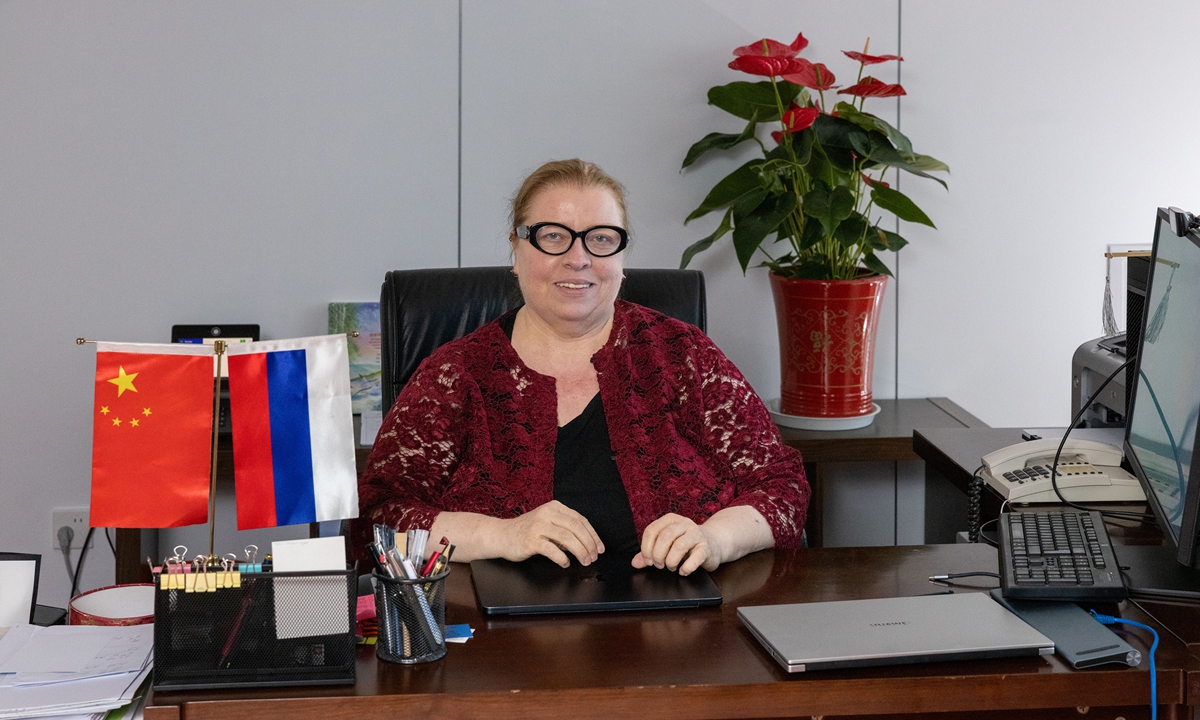
Tatiana Urzhumtseva, director of the Russian Cultural Center in Beijing
It is important to note that the SCO University plays a significant role in strengthening mutual understanding and friendship among the youth. She would particularly like to highlight the activities of the SCO Youth Platform SCOLAR. Currently, the SCOLAR network already covers a significant part of the SCO region. In addition, the SCO University promotes intercultural dialogue and people-to-people diplomacy, the director pointed out."Through joint learning, scientific research, and extracurricular activities, youths from SCO countries gain a deep understanding of each other's cultural diversity, values, and historical traditions. This helps eliminate stereotypes and build a common future based on the principles of the 'Shanghai Spirit.' By studying at the SCO University, young people feel they're part of the 'SCO family,'" said Director Urzhumtseva.
Talking about the dual value of the SCO's cultural and people-to-people cooperation in Russia-China relations and regional cooperation, the director said, "For me, as a historian, philologist, and economist, the value of cultural cooperation is that it not only strengthens mutual understanding and trust between countries and peoples, but also creates concrete economic and social benefits."
"I would like to especially emphasize the significance of people-to-people diplomacy today, as we mark the 100th anniversary of 'People's Diplomacy,' in Russia," she said.
Cultural cooperation brings us economic benefits through the development of cultural industries - tourism, cultural-creative sectors, and much more. Cultural understanding brings the most precious element in relations - trust. And trust positively impacts trade and economic cooperation.
In turn, the economy helps preserve our most important cultural asset - the intangible heritage of humanity, the director added.
Meanwhile, Russia and China in 2025 mark the 80th anniversary of victory in the Great Patriotic War and the War of Resistance against Japanese Aggression respectively. The joint Russian-Chinese film Red Silk narrates an important chapter of our shared history in a feature format.
"This film has already found its audience in Russia, and I truly hope that it will also gain a following among Chinese moviegoers," Director Urzhumtseva noted, saying that the center will soon screen the film.
From her perspective, the director shared that Russian movie viewers have found the film both engaging and educational. "Many have noted that it not only entertains, but also serves as a reminder of the important historical events that shaped relations between Russia and China. It has also been highlighted that the film represents an 'innovative practice of cultural cooperation' between the two countries, adding to its value in the eyes of the audience," she said.
The director has also shared her observations on tourism cooperation. Since the resumption of visa-free group tours between China and Russia, there has been a significant increase in bilateral tourist flows. The simplification of visa procedures reduces time and costs for tour operators and travelers.
Tourism within the SCO not only stimulates the economy, but is also a bridge for dialogue among civilizations, the director said.
Joint events such as "Moscow Seasons" in Beijing and the "China-Russia Cross-Border Carnival" in Suifenhe allowed for a deeper understanding of each other's culture and traditions and the strengthening of people-to-people diplomacy. The creation of new specialized routes, such as the "Silk Road 2.0" and "Amber Route," focusing on historical and cultural sites, will enrich the travel experience of tourists, she added.
"The Russian Cultural Center in Beijing views SCO initiatives as an opportunity to deepen cultural cooperation and transition from one-off projects to long-term programs. For further success, it is essential to continue dialogue among all stakeholders, including governments, cultural institutions, and civil society," Director Urzhumtseva concluded.
The Russian Cultural Center in Beijing plays a key role in implementing and developing SCO initiatives in the cultural sphere. One of the priority areas is the use of digital technologies to promote cultural heritage. The center will promote cooperation in film, music, and theater. This will help create a common cultural space for SCO countries, the director said.
RELATED ARTICLES