US chamber head stresses stability in China-US trade relations as crucial for US firms' business growth
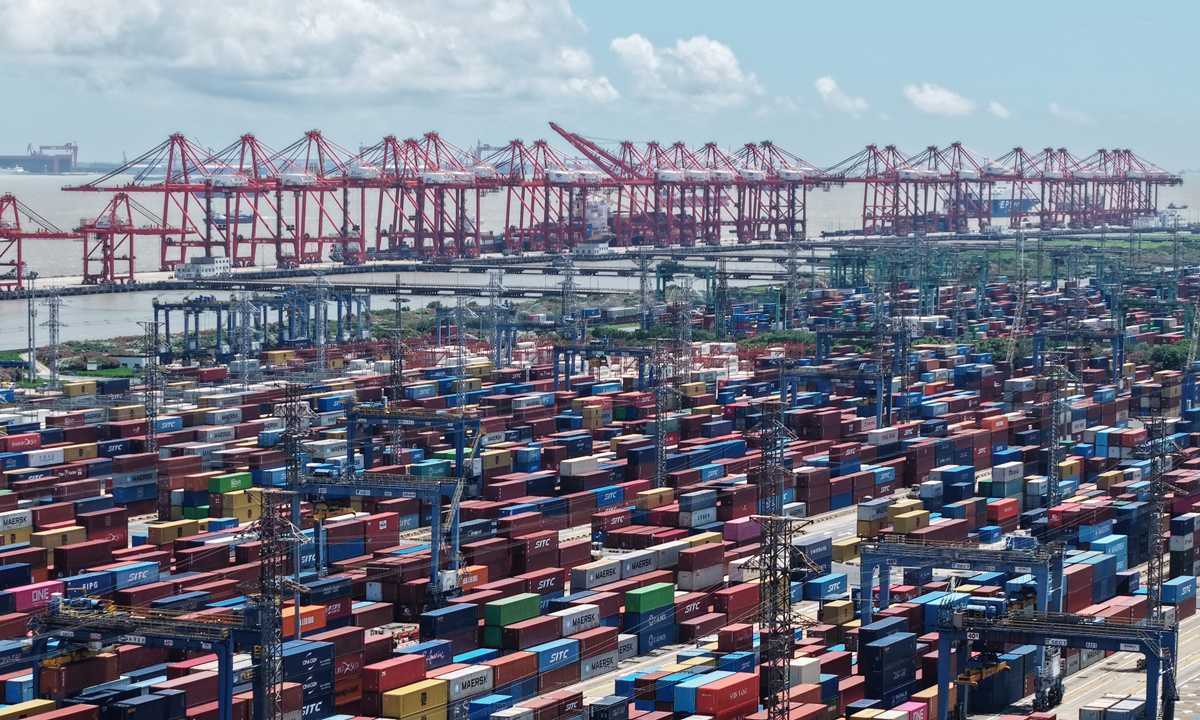
Shanghai Port container terminal Photo: VCG
The Chinese market is one of the most significant drivers of growth for many American companies, Harley Seyedin, president of the American Chamber of Commerce in South China (AmCham South China), told the Global Times in an exclusive interview.
With its large and growing middle class, rapid urbanization, and strong demand for high-quality goods and services, China represents a critical source of revenue and innovation partnerships across industries - from technology and healthcare to agriculture and consumer goods, Seyedin noted.

Harley Seyedin, President of the American Chamber of Commerce in South China Photo: Courtesy of Harley Seyedin
The remarks were made after the Chinese and the US delegations engaged in candid, in-depth and constructive communication based on mutual respect and equal consultation regarding economic and trade issues of mutual concern in Madrid on Sunday and Monday, the Xinhua News Agency reported.
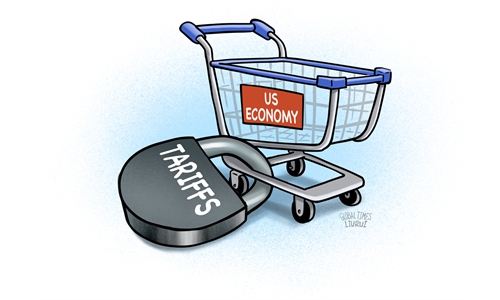
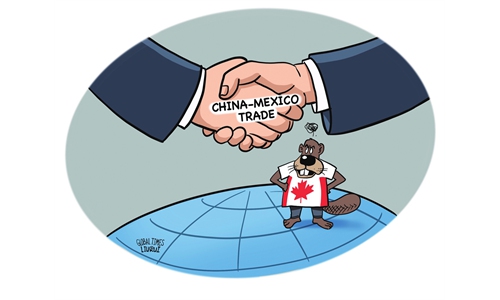
During the talks, the two sides fully recognized that a stable China-US economic and trade relationship is of great significance to both countries and also has a major impact on global economic stability and development, Xinhua reported.
Commenting on how important a stabilized China-US trade relationship is for the long-term interests of American businesses, Seyedin said that "predictability and transparency in trade policy create the foundation for companies to make confident investment decisions, build reliable supply chains, and pursue innovation."
A stable bilateral economic relationship helps reduce uncertainty, lower costs, and open new opportunities for growth, the American business representative further noted.
American companies have long valued the strong economic ties between the US and China, and continue to believe in the mutual benefits of innovation, job creation and cultural exchanges, Seyedin said.
Despite uncertainty, bilateral trade relations have stayed resilient. Economically, the US has remained China's third-largest trading partner, though bilateral trade declined by 13.5 percent to 2.73 trillion yuan ($380 billion) in the first eight months, accounting for 9.2 percent of China's total in terms of value, according to official data.
According to the 2025 Special Report on the State of Business in South China released by AmCham South China on February 26, nearly 75 percent of American companies in China were primarily focused on importing components from the US to produce goods and services in China for China.
Seyedin said that there is a "substantial, deeply embedded value American firms built over decades in China," and this deep integration with the market has proven highly profitable for many American businesses, with 89 percent of American companies reporting earnings in China.
American businesses have actively participated in major investment fairs in China in order to further tap into the Chinese market's potential. In the just-concluded 25th China International Fair for Investment and Trade, held last week in Xiamen, East China's Fujian Province, the American delegation brought more than 50 companies, covering nearly every type of activity, including consumer products, artificial intelligence, new technology development, and research and development, according to AmCham South China.
"I do believe that the US and Chinese economies are intertwined and they can never separate from each other. There's a great dependency for both Chinese and American companies," said Seyedin.
The American chamber head said that he believes that companies from the two major world economies will continue to do business and that businesses will keep growing, which he described as "the way of the future."
RELATED ARTICLES