
Elderly passengers, ready to board a "silver hair" tourist train, pose for photos in the waiting hall of Yantai Railway Station, East China's Shandong Province, on March 9, 2025. Photo: VCG
Editor's Note:
Xi Jinping, general secretary of the Communist Party of China Central Committee, also Chinese president and chairman of the Central Military Commission, noted that "in response to population aging, we will implement a national strategy to ensure a financially secure, meaningful, and happy life for the elderly." Developing the silver economy is a key lever in this effort, both to tackle demographic challenges and to enhance the well-being of senior citizens. To explore how China can unlock the potential of the silver economy while overcoming its pain points and bottlenecks, we are launching a new series "Pioneering New Blue Ocean for Silver Economy," with insights from experts and scholars from multiple perspectives.
Population aging is an irreversible trend in China's development and will remain a basic national condition for the country in the long term. While it poses certain challenges to economic development, the emerging silver economy is poised to become a new track in the economic field with considerable certainty and great development potential in the process of Chinese modernization.
Guided by top-level strategy, the silver economy has been incorporated into China's national development plans. General Secretary Xi Jinping emphasized that "our greatest strength lies in our socialist system, which enables us to pool resources in a major mission. This is the key to our success." The profound changes brought about by an increasingly aging population will inevitably shape China's social and economic development, driving major changes in the economic conditions, structures, and efficiency in the new development period.
Since the 18th National Congress of the Communist Party of China (CPC), China's development model has shifted from high-speed to high-quality growth, alongside a series of measures to respond to an aging society in a timely, scientific, and comprehensive manner. In October 2020, the Fifth Plenary Session of the 19th CPC Central Committee adopted the national strategy to proactively respond to population aging. For the first time, "actively developing elderly human resources and developing the silver economy" was included in the national strategic arrangements. Subsequently, the development of the silver economy was incorporated into multiple plans and programs for national economic and social development.
In January 2024, the State Council issued a policy document on developing the silver economy to enhance the well-being of the elderly, outlining specific pathways and tasks for its advancement. The 2025 Government Work Report further specified efforts to refine policies and mechanisms for developing elderly care programs and industries and vigorously develop the silver economy. These steps provide strong policy support for the sector's development.
The expanding elderly population creates a market for the silver economy with vast potential demand. Chinese modernization, with its massive population scale, also produces large demographic segments. The international community generally moves the threshold of the silver economy forward, taking into account the needs of preparing for old age. Generally, the silver population is defined as the elderly and the elderly population aged 50 and above. By late 2024, China's population stood at 1.408 billion, with 540 million aged 50 and above, or 38.4 percent of the total. While China is no longer the world's most populous country overall, it remains the largest in terms of elderly population.
From the mid-2030s to the mid-2070s, China's silver population is expected to stay above 600 million. Starting in the 2040s, people aged 50 and above will surpass 50 percent of the total population, overtaking the younger population as the primary demand driver. This will result in two extended plateau periods lasting over 40 years, characterized by both a large and dominant silver population. Globally, on average, one in every four silver individuals will live in China.
Such a vast demographic represents enormous potential demand. Unlocking this market and activating silver-related consumption will inject lasting momentum into domestic demand, turning the silver economy into a vital growth engine for China's high-quality development.
Unlocking the 'blue ocean'
The silver economy holds vast potential, fueled by the demand of an aging population. It encompasses a wide range of economic activities, providing products and services tailored to the elderly and preparing for the aging stage. These activities span production, supply, distribution, and consumption, integrating industries such as healthcare, manufacturing, services, tourism, age-friendly housing, finance, culture and sports, and education into an all-around economic framework.
According to the Fudan Institute on Aging, if per capita consumption grows at a moderate pace, China's silver economy could reach 19.1 trillion yuan ($2.69 trillion) by 2035, accounting for 27.8 percent of total consumption and 9.6 percent of GDP. By 2050, the sector is expected to expand to 49.9 trillion yuan, or 35.1 percent of consumption and 12.5 percent of GDP. This means that from now until mid-century, China will not only host the world's largest elderly population but also the largest silver consumer market, offering vast development opportunities.
The period when China pursues its second centenary goal will coincide with the rapid rise of the silver consumer market, creating a golden window for developing the silver economy. Transforming the inherent potential of this large aging population into an effective consumer market, powered by purchasing ability, will be a key focus of China's future economic development.
China's solution to vigorously developing the silver economy is to combine the work with the industry. Implementing the national strategy to proactively respond to population aging requires embedding a positive and healthy view of aging into all aspects of economic development. Developing a robust silver economy will provide key support for public welfare and related industries.
On one hand, efforts should focus on improving livelihoods by meeting the most pressing needs of the elderly. Priorities include expanding meal assistance programs, scaling up in-home services, enhancing community facilities, optimizing healthcare provision, improving nursing care, enriching cultural and recreational offerings, and strengthening rural elderly services. The aim is to expand, diversify, and improve the quality and efficiency of services, ensuring they are foundational, inclusive, and sustainable.
On the other hand, industries serving the elderly should seize opportunities from the new technological revolution and the rise of new quality productive forces. The silver economy can be infused with "AI plus" to create new business models, industries, products, and services. Key focuses include meeting the diverse needs of the elderly through innovative senior products, developing smart healthcare industries, expanding the rehabilitation assistive device sector, promoting anti-aging solutions, enriching financial products for seniors, diversifying tourism services, and advancing age-friendly modifications.
Efforts will also prioritize nurturing businesses, fostering industrial clusters, improving industry organization, promoting branding, and launching high-standard initiatives to broaden supply. Robust support in technological innovation, land and housing policies, fiscal and financial backing, talent development, data infrastructure, and combating fraud will create an enabling environment for growth.
In summary, developing the silver economy requires combining effective markets with proactive governance, fostering collaboration between public welfare and industry. By accelerating the scale, standardization, clustering, and branding of the silver economy, and cultivating advanced products and high-quality services, China aims to ensure the elderly share in development gains, fulfilling the people's aspirations for a better life.
The author is a professor at the School of Economics at Nankai University and director of the university's Center for Aging Development Strategy.
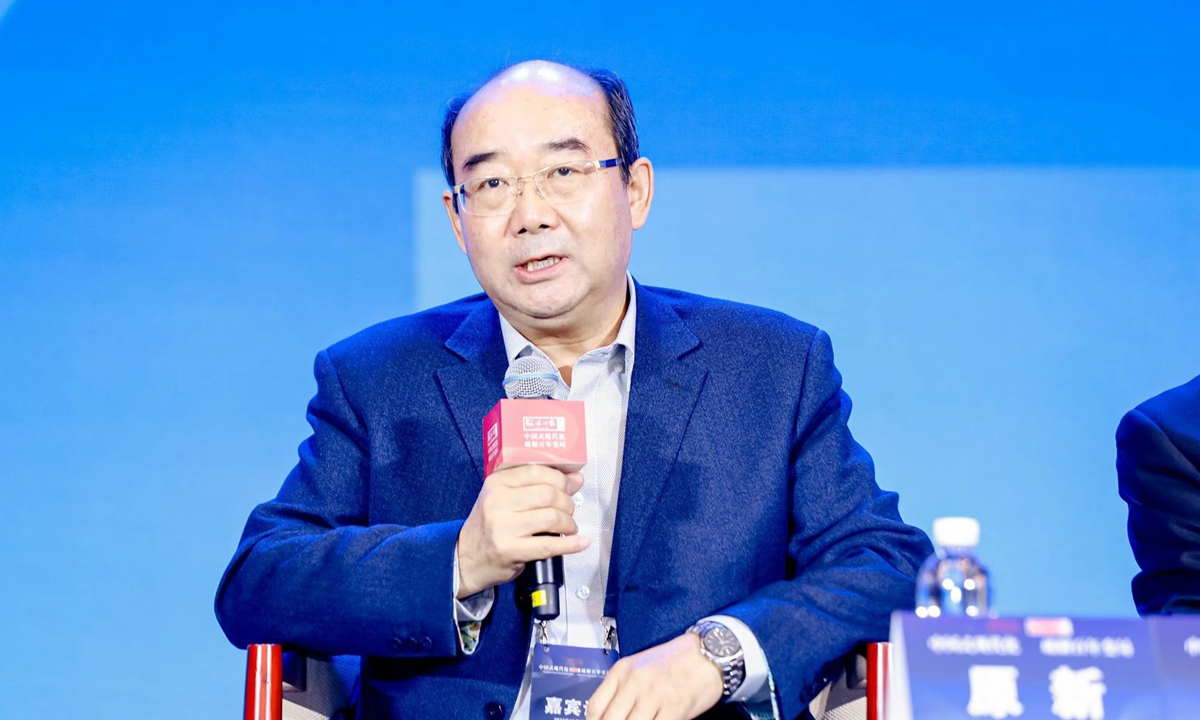
Yuan Xin Photo: Courtesy of Yuan Xin
RELATED ARTICLES