Illustration: Tang Tengfei/GT
Over the coming period, some consumer electronics exhibitions are set to take place in China. Functioning both as trade platforms and as indicators of industry sentiment, these events underscore the measured evolution of China's consumer electronics sector. The steady rhythm of such exhibitions reflects a quiet confidence among manufacturers and investors that innovation-led consumption remains a viable source of momentum in the economy.Consumer electronics make up a notable part of household spending and offer a useful lens through which to observe how technological progress is influencing consumer habits. The sector is in a period of transition, shaped by the growing integration of artificial intelligence (AI) into everyday devices. This shift is unfolding gradually, through incremental improvements that enhance functionality and user experience.
Beyond traditional product categories, demand for emerging consumer electronics is growing rapidly. According to data research firm IDC, shipments of smart eyewear in China reached 494,000 pairs in the first quarter of 2025, up 116 percent year-on-year. The domestic robot vacuum market grew by 21 percent over the same period, marking another quarter of steady growth. The expansion of these new categories indicates that technological innovation is increasingly influencing consumer choices, gradually reshaping the structure of China's consumer electronics market and broadening the range of products driving its development.
These emerging categories are driving a broader form of consumption upgrading in China, one that goes beyond simply increasing spending on established product lines. The market is expanding through the introduction of new consumer electronics that blend technological innovation with evolving consumer preferences. This shift - marked by the rise of new consumer hotspots such as smart eyewear and robot vacuums - illustrates how China's consumption landscape is being reshaped. It reflects a gradual adaptation to new technologies and emerging consumer needs, highlighting the sector's evolving role in the country's broader economic transformation.
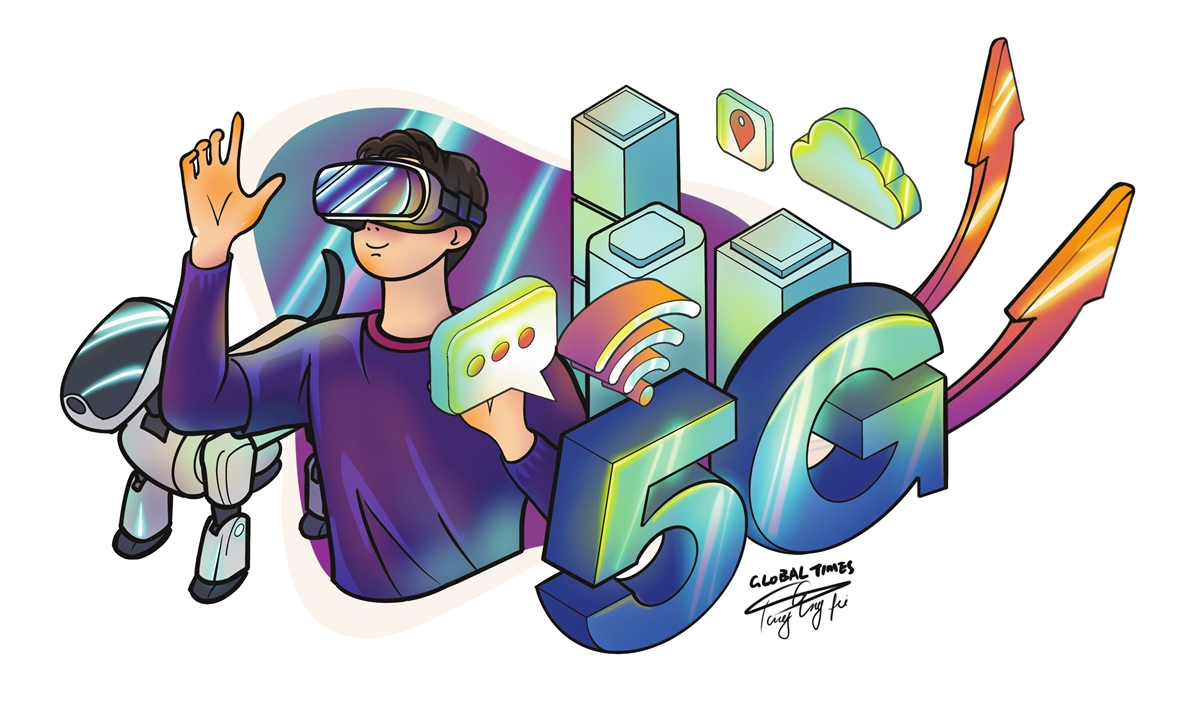
China's next wave of consumption upgrading appears to derive its potential from the introduction of numerous new product categories. The focus on 5G, AI, virtual reality and automotive technologies illustrates how technological innovation is shaping the foundations of consumer demand. These frontier sectors seem poised to become key drivers of the next phase of consumption upgrading, particularly as digital and smart products redefine everyday value, suggesting that China's consumption upgrade is both new and adaptable to evolving technologies and preferences.
At a time when tariff barriers and geopolitical frictions continue to unsettle global supply chains, China's consumer electronics industry is turning to technological innovation as its main source of resilience. Rather than competing solely on scale or cost advantages, Chinese firms are leveraging research and development, design and intelligent manufacturing to stabilize growth amid external uncertainty.
China's National Bureau of Statistics (NBS) released economic data for the first three quarters on Monday, showing that consumer spending on electronics and technology products continued to outpace overall retail sales growth, which was 4.5 percent year-on-year. For example, sales of communication equipment rose by 20.5 percent year-on-year in the first three quarters, while spending on household appliances and audio-visual products increased by 25.3 percent.
By investing heavily in frontier technologies, Chinese firms are not only mitigating external uncertainties but also contributing to the stabilization of the global value chain in key digital sectors. As 5G connectivity and AI integration accelerate the development of immersive and intelligent consumer experiences, China's ability to translate technological advances into mass-market adoption is emerging as an increasingly important driver of global demand.
Production-side data of the first three quarters confirmed this trend. According to the NBS, industrial output in the high-tech manufacturing sector grew by 9.6 percent year-on-year, while the production of 3D printing equipment increased by 40.5 percent year-on-year, and the output of industrial robots increased by 29.8 percent year-on-year.
These figures suggest a deeper transformation within China's consumer market. Technological innovation is emerging as a dynamic factor in unlocking the country's considerable consumer potential, injecting new momentum into domestic demand and supporting the growth of tech-driven consumption. The impact of these trends is likely to be visible in the coming series of consumer electronics exhibitions, providing a clear window into how innovation is driving the next phase of consumption upgrading. Taken together, they illustrate a consumption landscape that is gradually evolving, shaped as much by new technologies and product categories as by traditional spending patterns.
The author is a reporter with the Global Times. bizopinion@globaltimes.com.cn
RELATED ARTICLES