ARTS / CULTURE & LEISURE
The Palace Museum at 100: A bridge between past and present
By Published: Oct 22, 2025 11:16 PM

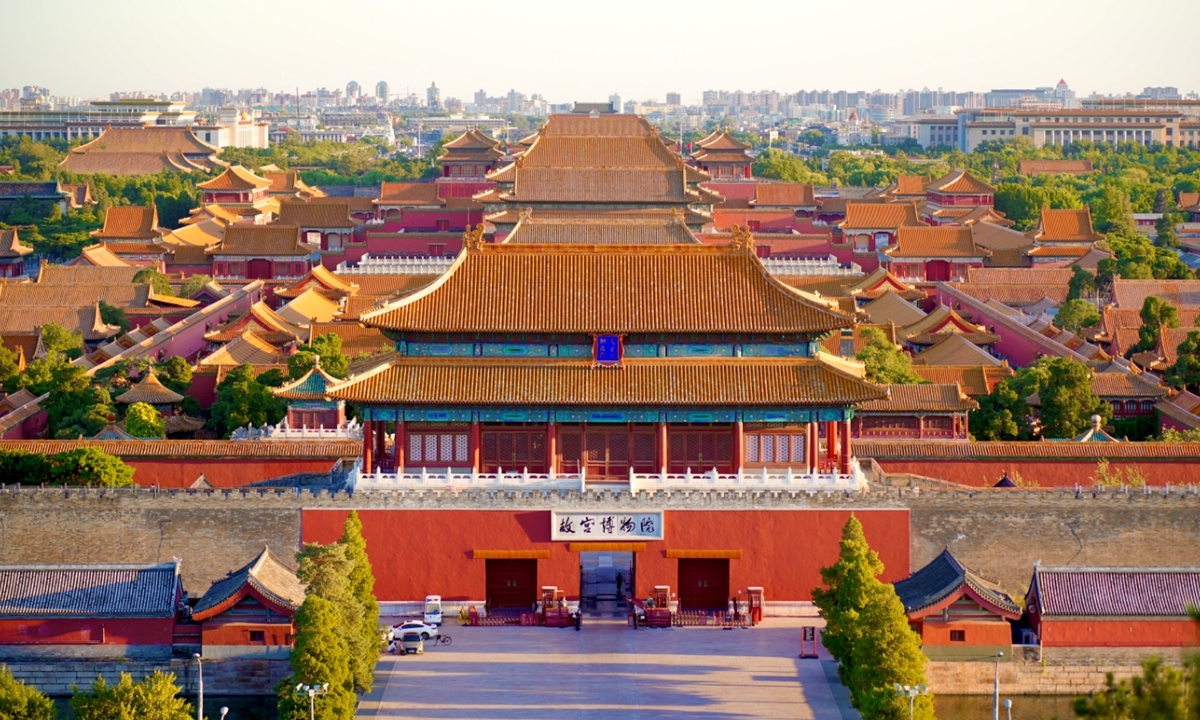
The Gate of Divine Prowess (Shenwu) of the Palace Museum Photo: VCG
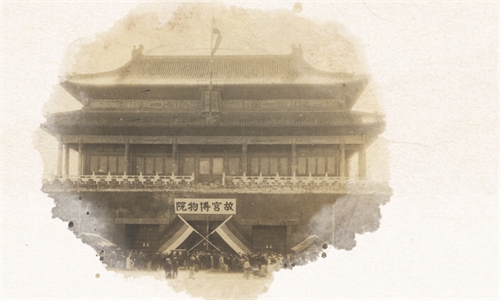
This year marks the 100th anniversary of establishment of the Palace Museum, situated on the site of the Forbidden City in Beijing. Shan Jixiang, the former director of the museum, spent years redefining how the Forbidden City, a historical and cultural treasure, connects with modern society. In an exclusive interview with the Global Times, Shan shared his reflections on the museum's century-long journey and its efforts to bring cultural heritage closer to the public. He highlighted the museum's vision of evolving from a static historical site to a vibrant part of people's daily lives, fostering a deeper appreciation for Chinese culture while adapting to contemporary needs.When asked about the most unforgettable exhibition during his tenure, Shan recalled the 2019 Spring Festival exhibition, which had the theme of celebrating Chinese New Year in the Forbidden City. One of the largest and most elaborate exhibitions in the museum's history, this event involved meticulous planning and collaboration across all departments of the museum. Shan revealed that 866 artifacts related to imperial Chinese New Year celebrations were carefully selected to recreate the grandeur of traditional festivities in the Forbidden City.
The exhibition featured items such as jade dining sets, handwritten blessings from emperors, and red envelopes used for giving children lucky money. It also revived historical decorations, such as door gods, spring couplets, and palace lanterns, restoring the festive atmosphere of centuries past. Shan further explained that the museum even reconstructed massive traditional lanterns that had not been seen in over a century. "These lanterns, which took months to recreate, became a symbol of the exhibition and attracted ambassadors from around 80 countries, as well as countless visitors," Shan said.
In addition to displaying artifacts, the exhibition incorporated interactive digital elements to engage younger audiences. Visitors could experience virtual recreations of Chinese New Year traditions, such as ice skating, snowman building, and even watching virtual Peking Opera performances. Shan emphasized that these innovations significantly enhanced audience participation, making the exhibition more immersive and accessible.
"The Palace Museum is not just an ancient palace or a museum; it is a bridge between history and modern life," he said. "Through exhibitions like this, we tried to bring cultural heritage to life, enabling people to experience its relevance in the present."
Shan said that cultural heritage - both tangible and intangible - must be woven into the fabric of everyday life to truly thrive. During his tenure, he spearheaded efforts to expand the museum's accessibility. When he first joined the Palace Museum, only 30 percent of the Forbidden City's vast complex was open to the public. By 2018, the open area had increased to over 80 percent, allowing visitors to explore previously inaccessible spaces, such as the palace walls, corner towers, and the Cining Palace.
This expansion was accompanied by a surge in innovative exhibitions and activities, which attracted a more diverse audience. Shan noted that younger visitors, in particular, became a growing demographic, thanks to interactive experiences, cultural events, and creative products. "Young people come not just to see the architecture or artifacts but to actively engage with the museum. They could take photos, enjoy themed cafés, participate in workshops, and explore digital exhibits," Shan explained.
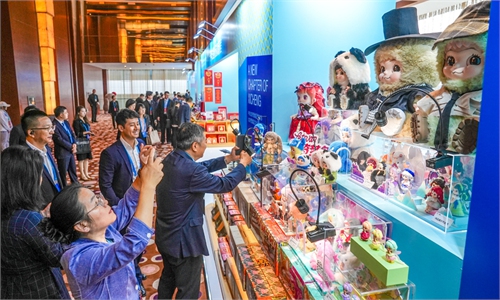
The museum has also developed over 11,900 cultural and creative products, ranging from souvenirs to practical items inspired by the Forbidden City's artifacts and motifs. This initiative not only made cultural heritage more relatable but also encouraged public interest in traditional Chinese aesthetics. Shan highlighted the importance of digital technology in this transformation. By using advanced tools to recreate historical scenes and showcase artifacts in innovative ways, the museum expanded its reach and deepened its impact. "Digital tools are not the main attraction, but a means to bring the Palace Museum's stories and treasures closer to the public," he said.

Shan Jixiang, former director of the Palace Museum Photo: VCG
The Forbidden City not only houses precious artifacts as part of its tangible cultural heritage, but its clock repair techniques and other traditional skills have also been recognized as intangible cultural heritage. Shan has paid close attention to intangible cultural heritage in recent years. He emphasized the importance of integrating it into contemporary life to ensure its continued relevance. "Intangible cultural heritage survives because it has always been the most creative and fashionable element of its time. To preserve it, we must respect its roots while allowing it to evolve and innovate," Shan said.He shared a story from his recent visits to Danzhai county in Southwest China's Guizhou Province during his time with the variety show Chrono Treasures.
By combining traditional handiwork with modern designs, the local wax printing artisans have attracted lots attention and generated significant economic opportunities for their community. For Shan, this is a perfect example of how cultural heritage can enrich lives and foster sustainable development. How these ancient handicrafts can flourish in modern people's lives needs effective channels to tell their stories.
Reflecting on his work, Shan underscored the importance of storytelling in cultural preservation. Whether it is through exhibitions, documentaries like Masters in Forbidden City, or hands-on experiences with artisans, sharing the human stories behind heritage makes it more relatable and impactful.
"The Palace Museum is a global treasure, and its mission is to connect the past with the present. By opening more spaces, presenting more artifacts, and engaging with modern audiences, we can ensure that this heritage continues to inspire for centuries to come," Shan concluded.
RELATED ARTICLES