IN-DEPTH / IN-DEPTH
Foreign TCM doctors integrate traditional Chinese wisdom into global lifestyles
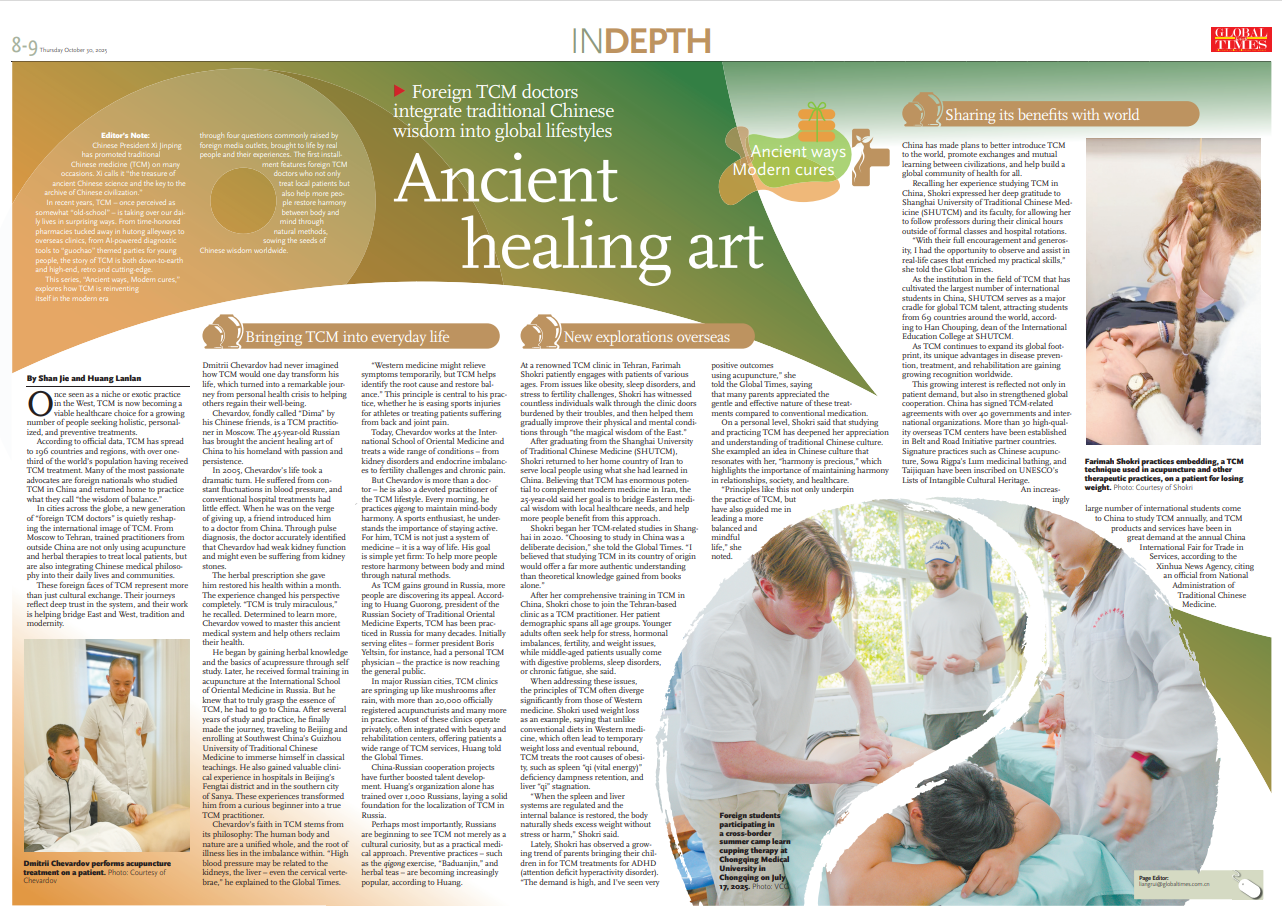
Ancient healing art
By and Published: Oct 29, 2025 11:01 PM
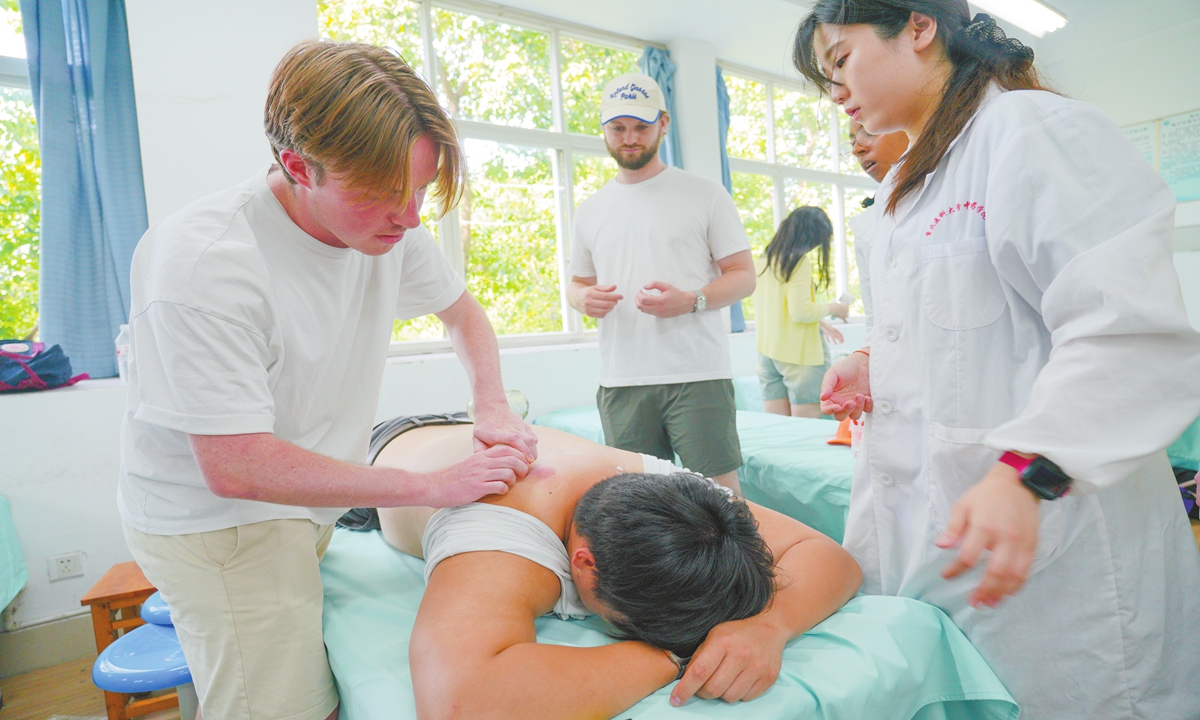
Foreign students participating in a cross-border summer camp learn cupping therapy at Chongqing Medical University in Chongqing on July 17, 2025. Photo: VCG
Editor's Note:
Chinese President Xi Jinping has promoted traditional Chinese medicine (TCM) on many occasions. Xi calls it "the treasure of ancient Chinese science and the key to the archive of Chinese civilization."
In recent years, TCM - once perceived as somewhat "old-school" - is taking over our daily lives in surprising ways. From time-honored pharmacies tucked away in hutong alleyways to overseas clinics, from AI-powered diagnostic tools to "guochao" themed parties for young people, the story of TCM is both down-to-earth and high-end, retro and cutting-edge.
This series, "Ancient ways, Modern cures," explores how TCM is reinventing itself in the modern era through four questions commonly raised by foreign media outlets, brought to life by real people and their experiences. The first installment features foreign TCM doctors who not only treat local patients but also help more people restore harmony between body and mind through natural methods, sowing the seeds of Chinese wisdom worldwide.
Once seen as a niche or exotic practice in the West, TCM is now becoming a viable healthcare choice for a growing number of people seeking holistic, personalized, and preventive treatments.
According to official data, TCM has spread to 196 countries and regions, with over one-third of the world's population having received TCM treatment. Many of the most passionate advocates are foreign nationals who studied TCM in China and returned home to practice what they call "the wisdom of balance."
In cities across the globe, a new generation of "foreign TCM doctors" is quietly reshaping the international image of TCM. From Moscow to Tehran, trained practitioners from outside China are not only using acupuncture and herbal therapies to treat local patients, but are also integrating Chinese medical philosophy into their daily lives and communities.
These foreign faces of TCM represent more than just cultural exchange. Their journeys reflect deep trust in the system, and their work is helping bridge East and West, tradition and modernity.
Bringing TCM into everyday life
Dmitrii Chevardov had never imagined how TCM would one day transform his life, which turned into a remarkable journey from personal health crisis to helping others regain their well-being.
Chevardov, fondly called "Dima" by his Chinese friends, is a TCM practitioner in Moscow. The 45-year-old Russian has brought the ancient healing art of China to his homeland with passion and persistence.
In 2005, Chevardov's life took a dramatic turn. He suffered from constant fluctuations in blood pressure, and conventional hospital treatments had little effect. When he was on the verge of giving up, a friend introduced him to a doctor from China. Through pulse diagnosis, the doctor accurately identified that Chevardov had weak kidney function and might even be suffering from kidney stones.
The herbal prescription she gave him restored his health within a month. The experience changed his perspective completely. "TCM is truly miraculous," he recalled. Determined to learn more, Chevardov vowed to master this ancient medical system and help others reclaim their health.
He began by gaining herbal knowledge and the basics of acupressure through self study. Later, he received formal training in acupuncture at the International School of Oriental Medicine in Russia. But he knew that to truly grasp the essence of TCM, he had to go to China. After several years of study and practice, he finally made the journey, traveling to Beijing and enrolling at Southwest China's Guizhou University of Traditional Chinese Medicine to immerse himself in classical teachings. He also gained valuable clinical experience in hospitals in Beijing's Fengtai district and in the southern city of Sanya. These experiences transformed him from a curious beginner into a true TCM practitioner.
Chevardov's faith in TCM stems from its philosophy: The human body and nature are a unified whole, and the root of illness lies in the imbalance within. "High blood pressure may be related to the kidneys, the liver - even the cervical vertebrae," he explained to the Global Times.
"Western medicine might relieve symptoms temporarily, but TCM helps identify the root cause and restore balance." This principle is central to his practice, whether he is easing sports injuries for athletes or treating patients suffering from back and joint pain.
Today, Chevardov works at the International School of Oriental Medicine and treats a wide range of conditions - from kidney disorders and endocrine imbalances to fertility challenges and chronic pain.
But Chevardov is more than a doctor - he is also a devoted practitioner of the TCM lifestyle. Every morning, he practices qigong to maintain mind-body harmony. A sports enthusiast, he understands the importance of staying active. For him, TCM is not just a system of medicine - it is a way of life. His goal is simple yet firm: To help more people restore harmony between body and mind through natural methods.
As TCM gains ground in Russia, more people are discovering its appeal. According to Huang Guorong, president of the Russian Society of Traditional Oriental Medicine Experts, TCM has been practiced in Russia for many decades. Initially serving elites - former president Boris Yeltsin, for instance, had a personal TCM physician - the practice is now reaching the general public.
In major Russian cities, TCM clinics are springing up like mushrooms after rain, with more than 20,000 officially registered acupuncturists and many more in practice. Most of these clinics operate privately, often integrated with beauty and rehabilitation centers, offering patients a wide range of TCM services, Huang told the Global Times.
China-Russian cooperation projects have further boosted talent development. Huang's organization alone has trained over 1,000 Russians, laying a solid foundation for the localization of TCM in Russia.
Perhaps most importantly, Russians are beginning to see TCM not merely as a cultural curiosity, but as a practical medical approach. Preventive practices - such as the qigong exercise, "Baduanjin," and herbal teas - are becoming increasingly popular, according to Huang.
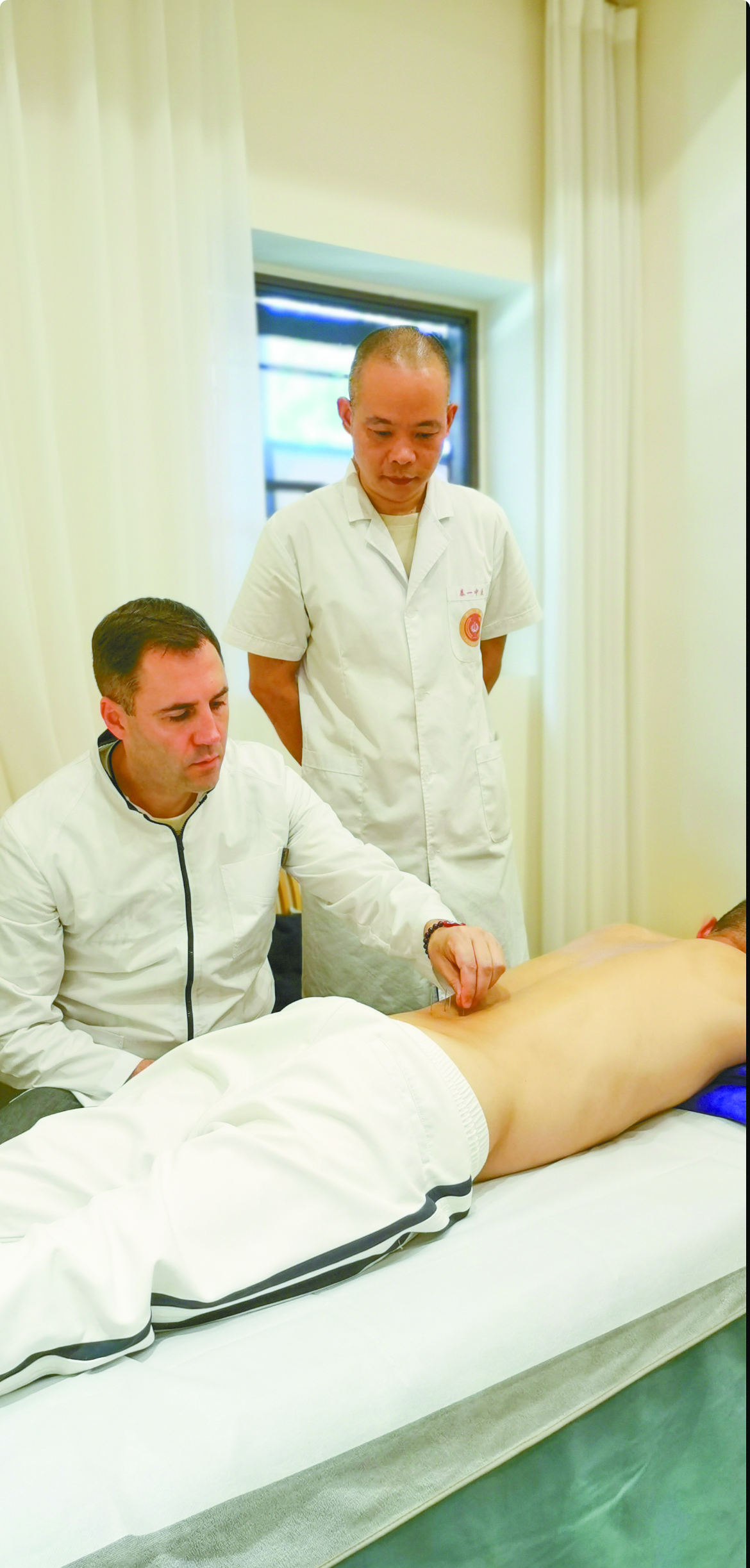
Dmitrii Chevardov performs acupuncture treatment on a patient. Photo: Courtesy of Chevardov
New explorations overseas
At a renowned TCM clinic in Tehran, Farimah Shokri patiently engages with patients of various ages. From issues like obesity, sleep disorders, and stress to fertility challenges, Shokri has witnessed countless individuals walk through the clinic doors burdened by their troubles, and then helped them gradually improve their physical and mental conditions through "the magical wisdom of the East."
After graduating from the Shanghai University of Traditional Chinese Medicine (SHUTCM), Shokri returned to her home country of Iran to serve local people using what she had learned in China. Believing that TCM has enormous potential to complement modern medicine in Iran, the 25-year-old said her goal is to bridge Eastern medical wisdom with local healthcare needs, and help more people benefit from this approach.
Shokri began her TCM-related studies in Shanghai in 2020. "Choosing to study in China was a deliberate decision," she told the Global Times. "I believed that studying TCM in its country of origin would offer a far more authentic understanding than theoretical knowledge gained from books alone."
After her comprehensive training in TCM in China, Shokri chose to join the Tehran-based clinic as a TCM practitioner. Her patient demographic spans all age groups. Younger adults often seek help for stress, hormonal imbalances, fertility, and weight issues, while middle-aged patients usually come with digestive problems, sleep disorders, or chronic fatigue, she said.
When addressing these issues, the principles of TCM often diverge significantly from those of Western medicine. Shokri used weight loss as an example, saying that unlike conventional diets in Western medicine, which often lead to temporary weight loss and eventual rebound, TCM treats the root causes of obesity, such as spleen "qi (vital energy)" deficiency dampness retention, and liver "qi" stagnation.
"When the spleen and liver systems are regulated and the internal balance is restored, the body naturally sheds excess weight without stress or harm," Shokri said.
Lately, Shokri has observed a growing trend of parents bringing their children in for TCM treatments for ADHD (attention deficit hyperactivity disorder). "The demand is high, and I've seen very positive outcomes using acupuncture," she told the Global Times, saying that many parents appreciated the gentle and effective nature of these treatments compared to conventional medication.
On a personal level, Shokri said that studying and practicing TCM has deepened her appreciation and understanding of traditional Chinese culture. She exampled an idea in Chinese culture that resonates with her, "harmony is precious," which highlights the importance of maintaining harmony in relationships, society, and healthcare.
"Principles like this not only underpin the practice of TCM, but have also guided me in leading a more balanced and mindful life," she noted.
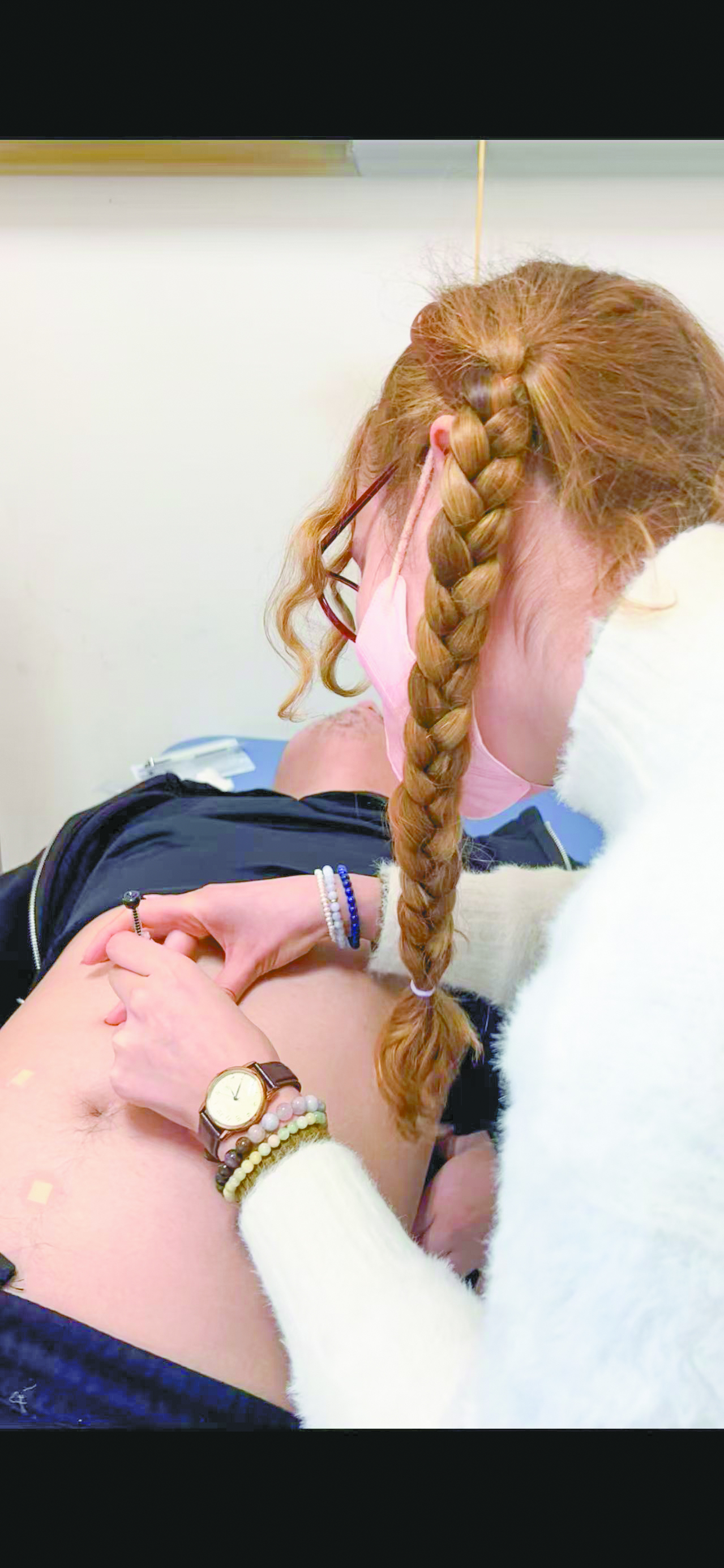
Farimah Shokri practices embedding, a TCM technique used in acupuncture and other therapeutic practices, on a patient for losing weight. Photo: Courtesy of Shokri
Sharing its benefits with world
China has made plans to better introduce TCM to the world, promote exchanges and mutual learning between civilizations, and help build a global community of health for all.
Recalling her experience studying TCM in China, Shokri expressed her deep gratitude to Shanghai University of Traditional Chinese Medicine (SHUTCM) and its faculty, for allowing her to follow professors during their clinical hours outside of formal classes and hospital rotations.
"With their full encouragement and generosity, I had the opportunity to observe and assist in real-life cases that enriched my practical skills," she told the Global Times.
As the institution in the field of TCM that has cultivated the largest number of international students in China, SHUTCM serves as a major cradle for global TCM talent, attracting students from 69 countries around the world, according to Han Chouping, dean of the International Education College at SHUTCM.
As TCM continues to expand its global footprint, its unique advantages in disease prevention, treatment, and rehabilitation are gaining growing recognition worldwide.
This growing interest is reflected not only in patient demand, but also in strengthened global cooperation. China has signed TCM-related agreements with over 40 governments and international organizations. More than 30 high-quality overseas TCM centers have been established in Belt and Road Initiative partner countries. Signature practices such as Chinese acupuncture, Sowa Rigpa's Lum medicinal bathing, and Taijiquan have been inscribed on UNESCO's Lists of Intangible Cultural Heritage.
An increasingly large number of international students come to China to study TCM annually, and TCM products and services have been in great demand at the annual China International Fair for Trade in Services, according to the Xinhua News Agency, citing an official from National Administration of Traditional Chinese Medicine.
Ancient healing art
RELATED ARTICLES