Li Auto to recall over 11,000 MEGA 2024 electric vehicles for insufficient coolant anti-corrosion performance
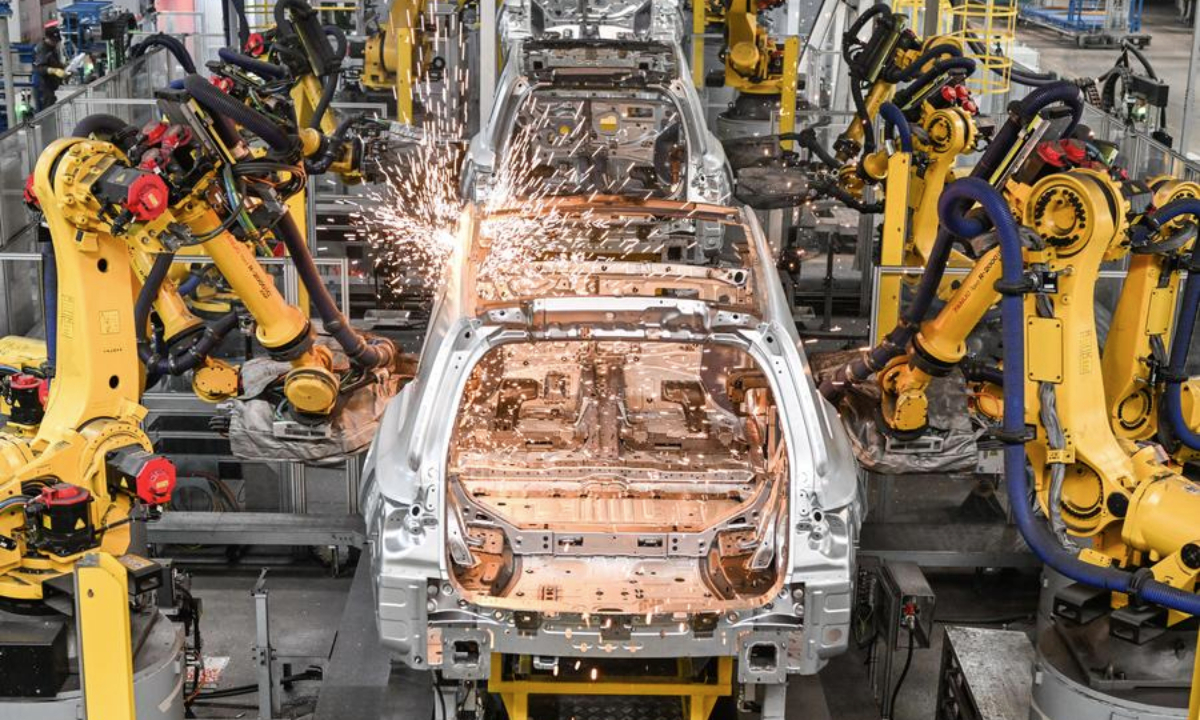
Robots weld bodyshells of cars at a workshop of Chinese electric vehicle (EV) maker Li Auto Inc. in Changzhou, east China's Jiangsu Province, Jan. 10, 2024. (Xinhua/Ji Chunpeng)
Chinese new-energy vehicle (NEV) manufacturer Li Auto will recall 11,411 units of MEGA 2024 electric vehicles, for insufficient coolant anti-corrosion performance, which may lead to thermal runaway of the power battery in extreme cases, according to a statement released on the official website of State Administration for Market Regulation on Friday.
Due to insufficient anti-corrosion performance in this batch of coolant, under specific conditions, it may cause corrosion and leakage in the cooling aluminum plates of the power battery and front motor controller within the cooling circuit. This could result in the illumination of warning lights, limited power output, or an inability to start the vehicle. In extreme cases, it may lead to thermal runaway of the power battery, posing a safety risk, said the statement.
The recall will begin on November 7, encompassing vehicles with production dates ranging from February 18, 2024, to December 27, 2024, totaling 11,411 units.
The company said it will replace the coolant, power battery, and front motor controller free of charge for vehicles within the recall scope.
On its official Weibo account on Friday, the company apologized for a fire incident involving a Li Auto MEGA 2024 vehicle that occurred in Shanghai on the evening of October 23.
The company stated that it immediately contacted the vehicle owner after the incident and actively cooperated with relevant authorities in the investigation. As the inspection and testing of the accident vehicle require the joint participation of the owner, fire department, and related agencies, the process must adhere to strict procedures and is time-consuming.
As of now, no final technical conclusion has been reached, the company said.
The company said that it promptly initiated an internal investigation and analysis, and reviewed the cloud-based early warning system records and specialized validation data.
The results indicate that in vehicles from the same production batch as the accident vehicle, insufficient anti-corrosion performance of the coolant in this batch may, under specific conditions, lead to corrosion and leakage in the cooling aluminum plates of the power battery and front motor controller within the cooling circuit. This could result in the illumination of warning lights, limited power output, an inability to start the vehicle, and in extreme cases, may cause thermal runaway of the power battery, posing a safety risk, the company said.
Global Times
RELATED ARTICLES