ARTS / CULTURE & LEISURE
In mourning for the victims of the Nanjing Massacre
Eternal memory on our land
Editor's Note:
On December 13, 1937, Japanese aggressors brutally occupied Nanjing in East China's Jiangsu Province and carried out the horrific Nanjing Massacre, resulting in the slaughter of over 300,000 Chinese people. This atrocity stands as a monstrous crime against humanity and an exceedingly dark chapter in human history.
This year marks the 80th anniversary of the victory of the Chinese People's War of Resistance Against Japanese Aggression and the World Anti-Fascist War. December 13 is China's 12th National Memorial Day for the Nanjing Massacre Victims.
This special issue features some family letters, which contain the blood and tears of survivors' accusations, the loyalty, courage, and cries of Nanjing's defenders, the righteous assistance of international friends, the determined efforts of Chinese and foreigners alike to spread the historical truth, and, even more, the radiant humanity that transcends time and space.
History tells us that peace must be striven for and safeguarded. Today, China firmly advocates and defends world peace. The Chinese people will unwaveringly uphold the noble cause of peace and development for humanity and are willing to work in sincere unity with people of all nations in building a world of lasting peace and common prosperity.
"Eighty-eight years - we dare not forget, we must not forget!"
On December 13, 1937, after occupation of Shanghai, Suzhou, and other areas, the Japanese aggressors seized Nanjing. In the city, these aggressors launched a horrific massacre against defenseless Chinese civilians.
In just six weeks, over 300,000 unarmed Chinese people fell under their blades. The ancient city walls were strewn with corpses, and the banks of the Qinhuai River echoed with cries of anguish. At Caoxiexia, more than 50,000 prisoners of war and civilians were machine-gunned and burned with gasoline. At the Yuleiying, over 9,000 people were slaughtered. At Zhongshan Wharf, tens of thousands of refugees were driven to the riverbank and shot, their blood staining the Yangtze River.
The deranged aggressors bayoneted infants for fun, executed civilians en masse and dumped their bodies into rivers. They slaughtered those seeking refuge in churches, and committed rampant rape and plunder in the streets. They treated the murder of Chinese as entertainment, carrying out shootings, burnings, and live burials, even holding "killing contests" where the number of deaths determined the winner. Blinded by bloodlust, the Japanese invaders even stormed the "Nanjing Safety Zone" established by the International Committee, hunting down able-bodied men and raping women.
Letters of agony
In a letter to his wife, American missionary John Magee wrote with grief and indignation that it was "a week of murder and rape," where killing Chinese people meant as little to the Japanese soldiers as "killing a rat."
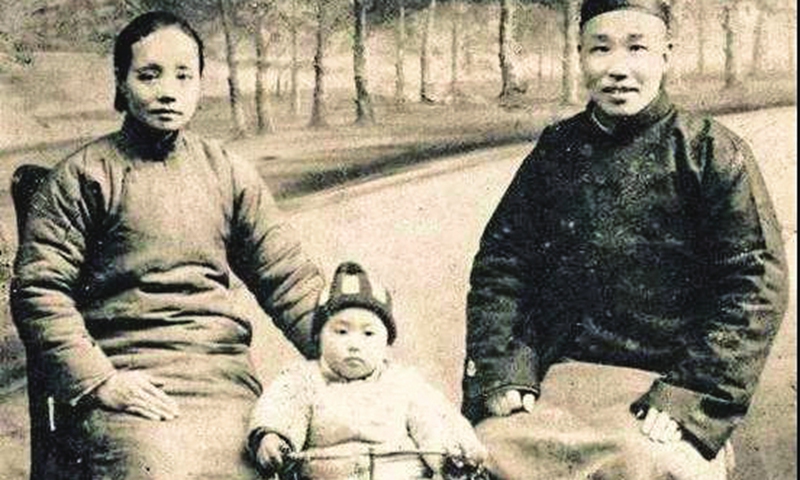
In his family letter to his daughter, Nanjing Massacre survivor Li Daokui recounted his family's trauma, with his great-grandmother dragged from her sickbed and left to die, and his aunt raped. These firsthand accounts and testimonies, transcending time and space, pierce through the fog of lies like sharp swords, leaving the brutal face of the Japanese military utterly exposed.
During the defense of Nanjing, General Yi Anhua led his troops in a fierce battle that lasted three days and nights. Despite being severely wounded, he steadfastly remained at his post, ultimately sacrificing his life heroically, fulfilling his vow of "How can one talk about home when the nation is in peril?" with his own life.
International friends such as John Rabe and John Magee risked their lives to establish a safety zone, protecting hundreds of thousands of Chinese refugees, their actions embodying the brilliance of humanitarianism.
Countless journalists and scholars, such as Wang Huo, one of the first Chinese journalists to report on the Nanjing Massacre after the victory of the War of Resistance, interviewed survivors and attended the public trials of war criminals, using their pens to defend the dignity of civilization.
Chinese-American writer Iris Chang devoted immense effort to writing "The Rape of Nanking," bringing this history to the world's attention. It is through the perseverance of these righteous individuals that the truth has been preserved and the crimes have been exposed to the world.
At the Memorial Hall of the Victims in Nanjing Massacre by Japanese Invaders, visitors from around the world have left their heartfelt words. Among them, the phrase "never forget" appears repeatedly, standing out as a high-frequency term in these messages. These are the voices of justice, the voices of peace, and the voices of the people.
However, it is utterly reprehensible that to this day, some Japanese right-wing politicians still audaciously attempt to deny the historical facts of the Nanjing Massacre, try to revise Japan's pacifist Constitution, and seek to revive militarism. They defy the anguish of hundreds of thousands of innocent souls, ignore the international consensus, and reject the ironclad evidence left by history. This perverse action is a desecration of historical justice, an affront to the deceased compatriots, and a trampling of human conscience.
Warning for the future
The Nanjing Massacre is a profound national tragedy for the Chinese nation and one of the darkest chapters in the history of human civilization. Eighty-eight years have passed, yet the mournful winds along the Qinhuai River have not stilled, and the Bell of Peace at Jiangdongmen still tolls - they are not merely echoes of the past, but a warning for the future.
The anguish of a nation scarred is carved deep within our souls. Forget we dare not, forget we cannot.
December 13 marks China's 12th National Memorial Day for the Nanjing Massacre Victims. In the name of the nation, we mourn our compatriots who lost their lives. Wherever you are, whatever you are doing, if you hear the sirens, please stop and bow your head in silence for the victims.
Today, we remember history not to perpetuate hatred, but to draw strength from it; we honor our fallen heroes not to dwell in grief, but to advance with courage. Only through remembrance can we prevent savagery from recurring and ensure the spark of civilization endures.
The article was first published in Chinese in the People's Daily Overseas Edition on December 12, 2025.
On December 13, 1937, Japanese aggressors brutally occupied Nanjing in East China's Jiangsu Province and carried out the horrific Nanjing Massacre, resulting in the slaughter of over 300,000 Chinese people. This atrocity stands as a monstrous crime against humanity and an exceedingly dark chapter in human history.
This year marks the 80th anniversary of the victory of the Chinese People's War of Resistance Against Japanese Aggression and the World Anti-Fascist War. December 13 is China's 12th National Memorial Day for the Nanjing Massacre Victims.
This special issue features some family letters, which contain the blood and tears of survivors' accusations, the loyalty, courage, and cries of Nanjing's defenders, the righteous assistance of international friends, the determined efforts of Chinese and foreigners alike to spread the historical truth, and, even more, the radiant humanity that transcends time and space.
History tells us that peace must be striven for and safeguarded. Today, China firmly advocates and defends world peace. The Chinese people will unwaveringly uphold the noble cause of peace and development for humanity and are willing to work in sincere unity with people of all nations in building a world of lasting peace and common prosperity.
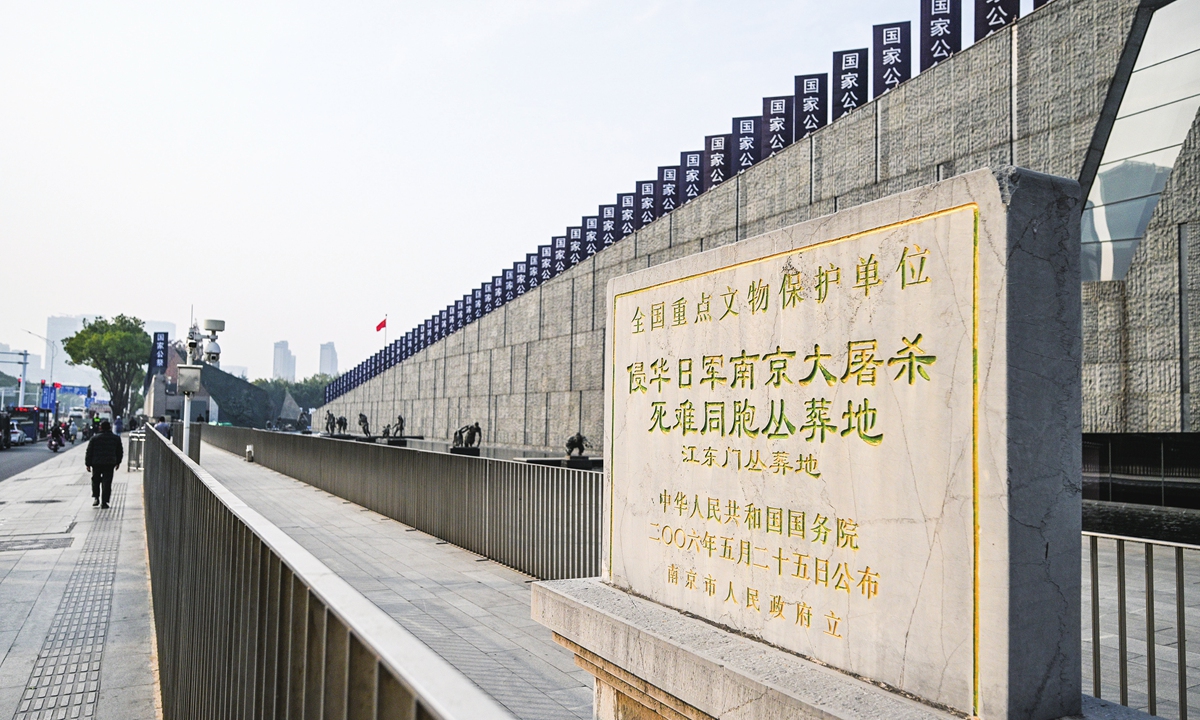
A visitor walks outside the Memorial Hall of the Victims in Nanjing Massacre by Japanese Invaders on December 11, 2025. Photo: VCG
"Eighty-eight years - we dare not forget, we must not forget!"
On December 13, 1937, after occupation of Shanghai, Suzhou, and other areas, the Japanese aggressors seized Nanjing. In the city, these aggressors launched a horrific massacre against defenseless Chinese civilians.
In just six weeks, over 300,000 unarmed Chinese people fell under their blades. The ancient city walls were strewn with corpses, and the banks of the Qinhuai River echoed with cries of anguish. At Caoxiexia, more than 50,000 prisoners of war and civilians were machine-gunned and burned with gasoline. At the Yuleiying, over 9,000 people were slaughtered. At Zhongshan Wharf, tens of thousands of refugees were driven to the riverbank and shot, their blood staining the Yangtze River.
The deranged aggressors bayoneted infants for fun, executed civilians en masse and dumped their bodies into rivers. They slaughtered those seeking refuge in churches, and committed rampant rape and plunder in the streets. They treated the murder of Chinese as entertainment, carrying out shootings, burnings, and live burials, even holding "killing contests" where the number of deaths determined the winner. Blinded by bloodlust, the Japanese invaders even stormed the "Nanjing Safety Zone" established by the International Committee, hunting down able-bodied men and raping women.
Letters of agony
In a letter to his wife, American missionary John Magee wrote with grief and indignation that it was "a week of murder and rape," where killing Chinese people meant as little to the Japanese soldiers as "killing a rat."
In his family letter to his daughter, Nanjing Massacre survivor Li Daokui recounted his family's trauma, with his great-grandmother dragged from her sickbed and left to die, and his aunt raped. These firsthand accounts and testimonies, transcending time and space, pierce through the fog of lies like sharp swords, leaving the brutal face of the Japanese military utterly exposed.
During the defense of Nanjing, General Yi Anhua led his troops in a fierce battle that lasted three days and nights. Despite being severely wounded, he steadfastly remained at his post, ultimately sacrificing his life heroically, fulfilling his vow of "How can one talk about home when the nation is in peril?" with his own life.
International friends such as John Rabe and John Magee risked their lives to establish a safety zone, protecting hundreds of thousands of Chinese refugees, their actions embodying the brilliance of humanitarianism.
Countless journalists and scholars, such as Wang Huo, one of the first Chinese journalists to report on the Nanjing Massacre after the victory of the War of Resistance, interviewed survivors and attended the public trials of war criminals, using their pens to defend the dignity of civilization.
Chinese-American writer Iris Chang devoted immense effort to writing "The Rape of Nanking," bringing this history to the world's attention. It is through the perseverance of these righteous individuals that the truth has been preserved and the crimes have been exposed to the world.
At the Memorial Hall of the Victims in Nanjing Massacre by Japanese Invaders, visitors from around the world have left their heartfelt words. Among them, the phrase "never forget" appears repeatedly, standing out as a high-frequency term in these messages. These are the voices of justice, the voices of peace, and the voices of the people.
However, it is utterly reprehensible that to this day, some Japanese right-wing politicians still audaciously attempt to deny the historical facts of the Nanjing Massacre, try to revise Japan's pacifist Constitution, and seek to revive militarism. They defy the anguish of hundreds of thousands of innocent souls, ignore the international consensus, and reject the ironclad evidence left by history. This perverse action is a desecration of historical justice, an affront to the deceased compatriots, and a trampling of human conscience.
Warning for the future
The Nanjing Massacre is a profound national tragedy for the Chinese nation and one of the darkest chapters in the history of human civilization. Eighty-eight years have passed, yet the mournful winds along the Qinhuai River have not stilled, and the Bell of Peace at Jiangdongmen still tolls - they are not merely echoes of the past, but a warning for the future.
The anguish of a nation scarred is carved deep within our souls. Forget we dare not, forget we cannot.
December 13 marks China's 12th National Memorial Day for the Nanjing Massacre Victims. In the name of the nation, we mourn our compatriots who lost their lives. Wherever you are, whatever you are doing, if you hear the sirens, please stop and bow your head in silence for the victims.
Today, we remember history not to perpetuate hatred, but to draw strength from it; we honor our fallen heroes not to dwell in grief, but to advance with courage. Only through remembrance can we prevent savagery from recurring and ensure the spark of civilization endures.
The article was first published in Chinese in the People's Daily Overseas Edition on December 12, 2025.
A file photo of Nanjing Massacre survivor Li Daokui (center) with his parents
RELATED ARTICLES