Honda confirms it extends China plants suspension due to chip shortage, says impact relatively controllable

GAC Honda dealership signboard in Changzhou, East China's Jiangsu Province, on June 28, 2025 Photo: VCG
Japan's carmaker Honda Motor confirmed with the Global Times on Monday that it will extend a production halt at three car plants in China by two weeks due to a semiconductor shortage, saying the units affected by the short-term adjustment is relatively controllable and expecting no impact on product delivery to customers.
The response came after Reuters reported on Monday that the Japanese carmaker's factories, run with Guangzhou Automobile Group (GAC), had been set to restart operations on Monday but will now resume on January 19. The disruption follows delays in chip shipments of Nexperia, a Dutch subsidiary of Chinese firm Wingtech, which has forced some automakers to slash output over the past months, according to the report.
The company confirmed the corresponding report when reached by the Global Times on Monday. After taking into account factors such as semiconductor supply and production line technological upgrades, GAC Honda has decided to adjust its production pace for January 2026, said the company.
"The number of units affected by this short-term production adjustment is relatively controllable, and the lost output is expected to be recovered over the course of the year, without affecting product deliveries to customers," said the company, noting that they will reasonably adjust its production schedule and make thorough preparations for its full-year production plan.
Previously, in mid-December, Honda announced suspends production at some plants in Japan, China due to chip shortage.
Honda's factories in Japan will suspend production for two days starting January 5, 2026, and output from January 7 to 9 will also be lower than originally planned, according to the company at that time.
This came after Honda suspended production at its Mexico plant in October and November, while factories in the US and Canada were also forced to cut output, after Chinese-owned semiconductor maker Nexperia was hit by export controls, according to Kyoko News. The company has not specified whether the current shortage involves Nexperia products, according to Kyodo News.
The recent production change came against the backdrop of the persistent disruptions in the global automotive chip supply chain, triggered in part by the Dutch government's unilateral move against Nexperia, which has sent shockwaves through upstream semiconductor supplies and impacted carmakers in several regions.
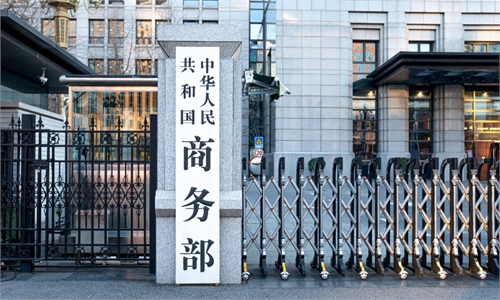
A spokesperson from China's Ministry of Commerce said last Wednesday that the Chinese side has repeatedly emphasized that the Dutch side's improper administrative intervention in the internal corporate affairs of Nexperia has already triggered a crisis in the global semiconductor supply chain, and the Dutch side must bear full responsibility for this.
It is perplexing that, in the face of anxiety and unease across the global industry, the Dutch side remains indifferent and stubbornly clings to its position, showing no sense of responsibility whatsoever for the security of the global semiconductor industry and supply chain, and taking no substantive actions, the spokesperson said, urging the Dutch side to immediately correct its mistakes, and to remove obstacles to restoring stability and security in the global semiconductor industry and supply chain.
RELATED ARTICLES