ARTS / CULTURE & LEISURE
New museum opens in Hangzhou, sheds light on ancient Wuyue Kingdom
Yijincheng Archaeological Site Museum
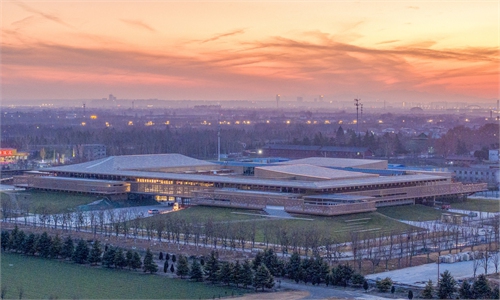
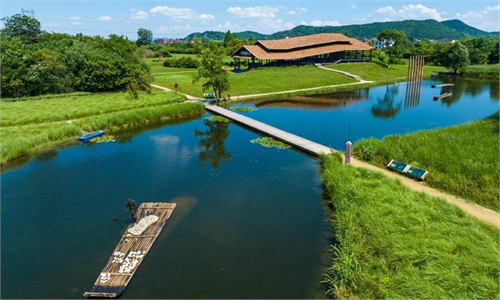
A museum built directly atop the ruins of an ancient city at the heart of what once was the Wuyue Kingdom opened to the public on Wednesday, offering visitors a rare, close-up look at urban life in the ancient kingdom more than a millennium ago.A core component of the Yijincheng Archaeological Park, the Yijincheng Archaeological Site Museum, located in the Lin'an district of Hangzhou, East China's Zhejiang Province, officially opened after more than a year of construction and exhibition preparation.
The museum preserves and displays key remains of Yijincheng, the capital of the Wuyue Kingdom, a regional regime that ruled parts of today's Zhejiang Province during the Five Dynasties and Ten States period (907-979).
Covering a total exhibition area of about 6,500 square meters, the museum is built on the original archaeological site and presents excavated remains dating from the Five Dynasties and Ten States period through the Yuan Dynasty (1279-1368).
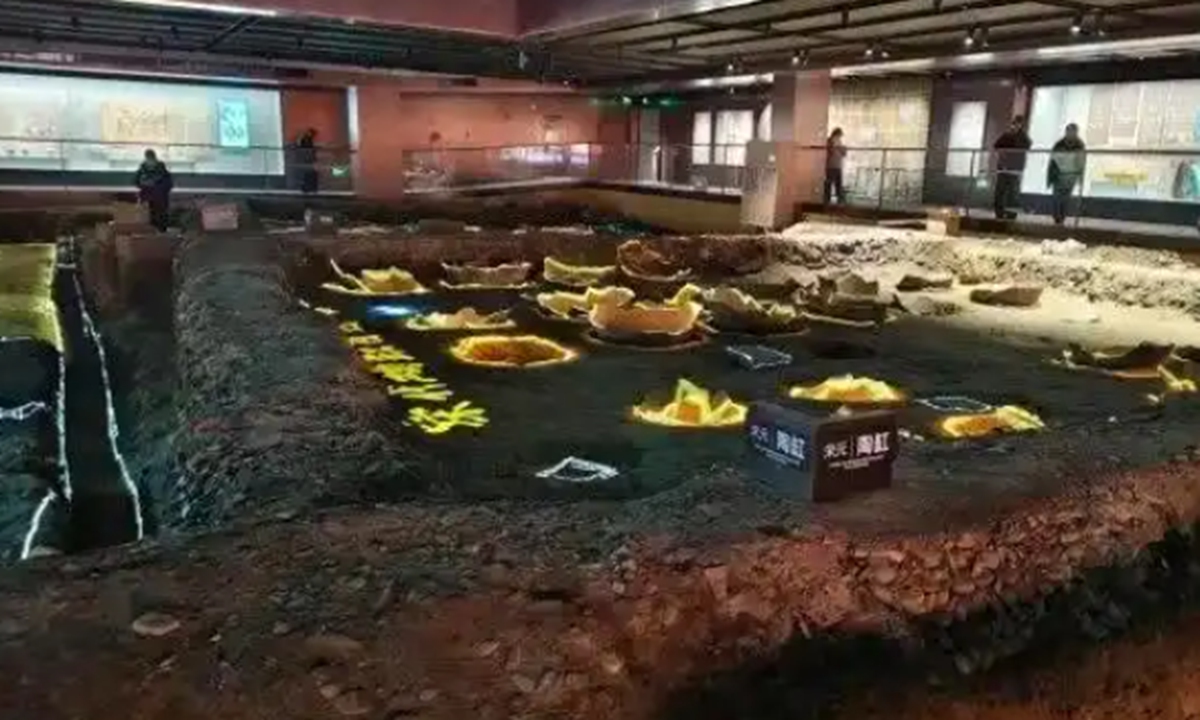
The museum houses the remains of Yijincheng's southern city gate, sections of the city wall and the foundations of courtyard-style buildings within the city.
These include the southern wall, internal roads, drainage systems, as well as courtyard gateways, wall bases, passageways, house foundations, wells, stoves and ceramic storage jars. The oldest of these remains dates back more than 1,300 years.
The museum's main hall centers on a large courtyard complex measuring 45 meters long and 25 meters wide. Visitors can walk along elevated corridors surrounding the ruins or step onto glass walkways that allow for immersive, close-range viewing of the archaeological layers beneath their feet.
Two ancient wells are among the museum's highlights. Still fed by flowing groundwater, the wells' brick-lined walls and pebble-filtered bases reflect advanced water management techniques, while their circular interiors and square exteriors symbolize the traditional Chinese philosophy of "Round Heaven and Square Earth."
Excavations also yielded large quantities of sand-tempered ceramic jars once used for brewing and storing wine, vinegar and grain, corroborating historical records of official granaries and bustling commercial activity.
Remains of household and workshop stoves with complete structures and diverse designs, some bearing traces of ash and use, illustrate a "front shop, back workshop" design of production and daily life in ancient Yijincheng.
A dense network of drainage channels running through the site further demonstrates the sophisticated urban planning of the Wuyue period, which emphasized harmony between mountains, waterways and city construction.
To bring the ruins to life, the museum uses projection mapping, multimedia sand tables and lighting installations to recreate scenes of ancient streets, labor and daily routines.
The Wuyue Kingdom was the longest-surviving southern state during China's Five Dynasties and Ten Kingdoms period, enduring decades of political fragmentation that engulfed much of the country. Founded by King Qian Liu, the kingdom followed a policy focused on defending its territory and safeguarding its people, while upholding the political and cultural traditions of China's Central Plains region. This approach allowed the region to maintain relative stability and pursue economic and social development amid widespread warfare elsewhere, according to Liu Zheng, a member of the Chinese Society of Cultural Relics.
Yijincheng stands as a legacy of the Wuyue Kingdom's era of self-preservation and stability. Through archaeological excavation and on-site display, the remains of the city provide insight into how this lesser-known kingdom functioned and evolved during a time of turmoil, added Liu.
The display of these ruins offers a more complete understanding of regional governance, urban planning and daily life in the Wuyue period, enriching the historical narrative of Hangzhou as a renowned cultural city, Liu told the Global Times.
RELATED ARTICLES