ARTS / FILM
Gateway to the past: Hit TV dramas ignite public engagement with history
Gateway to the past
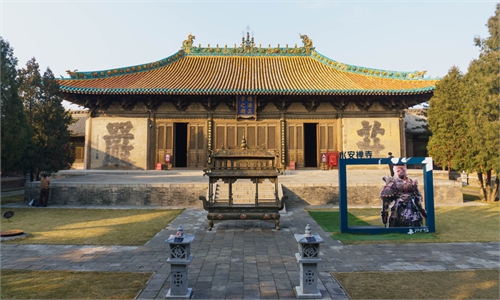
Visitors seek out the footprints of history at the Temple of King Qian in Hangzhou, East China's Zhejiang Province, on February 1, 2026. Photo: VCG
As the hit historical drama Swords into Plowshares continues to dominate screens across China, it is also quietly reshaping how audiences engage with history.
Set during the turbulent Five Dynasties and Ten States period (907-979), one of the most complex eras in Chinese history, the series centers on the historic moment of "peaceful submission to the Song Dynasty (960-1279)," a pivotal event that embodies Chinese civilization's enduring values of peace and unity. The drama abandons formulaic, fast-food-style storytelling in favor of carefully crafted dialogue written in a blend of classical and vernacular Chinese, and offers a richly layered portrayal of the era's historical upheavals, economic life, and cultural textures.
While following the TV series, many viewers have found themselves reaching for AI assistants and search engines. Queries such as "the forked-hand salute in the Five Dynasties (907-960)" or "the Wuyue Kingdom's policy of safeguarding its people" frequently appear alongside episode discussions.
Zhang Zheng, deputy director of the School of Journalism and Communication at Tsinghua University, told the Global Times on Wednesday that this offers a clear path for the pursuit of high-quality literary and artistic creation.
"While micro-dramas and short videos point to the future direction of agile, fast-moving cultural production, serious historical dramas - especially works that invite audiences to explore, reflect, and learn - can still win viewers' favor through their quality alone," Zhang noted.
Compared with fast-paced micro-dramas, well-crafted long-form series offer a broader canvas for reflection and interpretation. Their layered narratives leave room for inquiry, encouraging audiences to look beyond the screen for context and meaning. This, in turn, nurtures a deeper and more sustained engagement with history.
On social media platforms, debates over historical details, character portrayals, and the interpretation of key events are flourishing. Watching the drama has become a participatory process - one that has moved fluidly from viewing to research, discussion, and sharing.
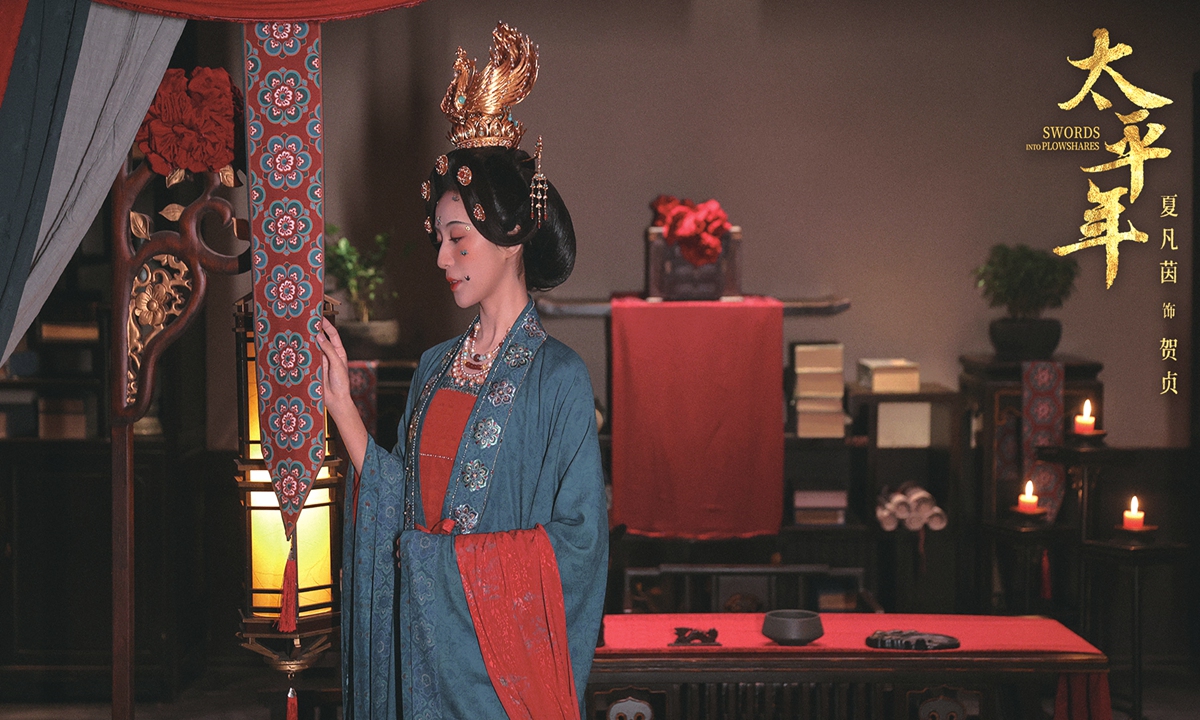
Promotional material for the TV Series Swords into Plowshares Photo: movie.douban.com
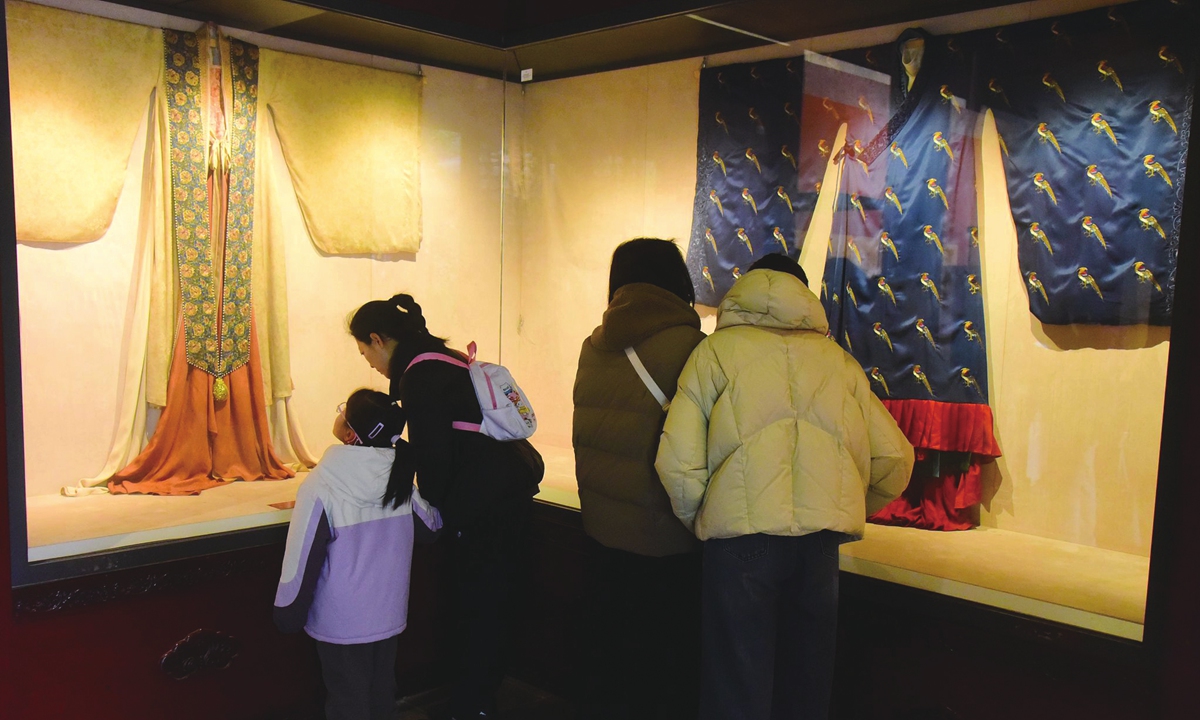
Experiencing historyBeyond online activities, some viewers have even made trips to an exhibition about the historical drama currently being held at the Temple of King Qian in Hangzhou, East China's Zhejiang Province, to learn more about this period of history.
The temple was built by later generations to commemorate five kings across three generations of the Wuyue Kingdom and is dedicated to preserving and displaying historical records related to the Qian family, according to the website of the Hangzhou government.
The exhibition, running from January 1 to March 3, draws audiences into this turbulent time in history from the period to the early Song Dynasty through a grand narrative space that is tangible, immersive, and sensory.
Viewers often research the historical accuracy of costumes, makeup, set design, social etiquette, and other details in the drama. This inquiry is far more interesting and meaningful than simply following the story, Zhang Wei, a professor at the Beijing Film Academy, told the Xinhua News Agency.
"I hope the series can act as an entry point for young audiences to study, keeping their passion for fact-checking and critical thinking alive - guiding them from the drama to classical texts and helping them build a systematic, broad understanding of history," said the professor.
This emerging cycle of "watching, fact-checking, debating, and spreading" has injected new vitality into historical dramas. For many viewers, it has transformed what might otherwise feel like distant or obscure historical narratives into something vivid, intelligible, and personally engaging.
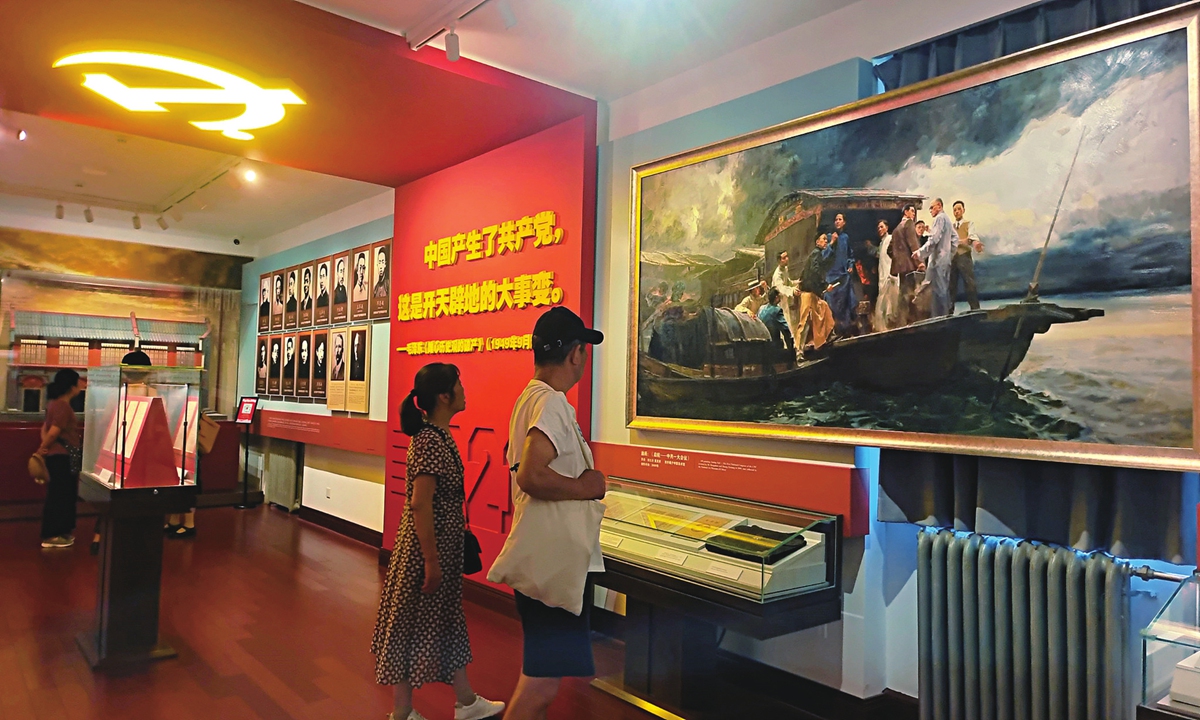
Inspired by the TV drama The Age of Awakening, visitors explore the iconic Red Building of Peking University in Beijing on June 26, 2024. Photo: VCG
Living narrativesSimilar waves of "fact-checking enthusiasm" emerged following the success of earlier landmark productions. After The Age of Awakening aired, many viewers traveled to the Peking University's Red Building to trace the origins of China's modern intellectual awakening and revolutionary spirit.
Under construction from 1916 to 1918, the building was named after its red brick walls and tiled roof. It has witnessed several of China's major historical events, including the New Culture Movement and the May Fourth Movement, both of which greatly contributed to the early spread of Marxism in the country and the founding of the Communist Party of China, according to Xinhua.
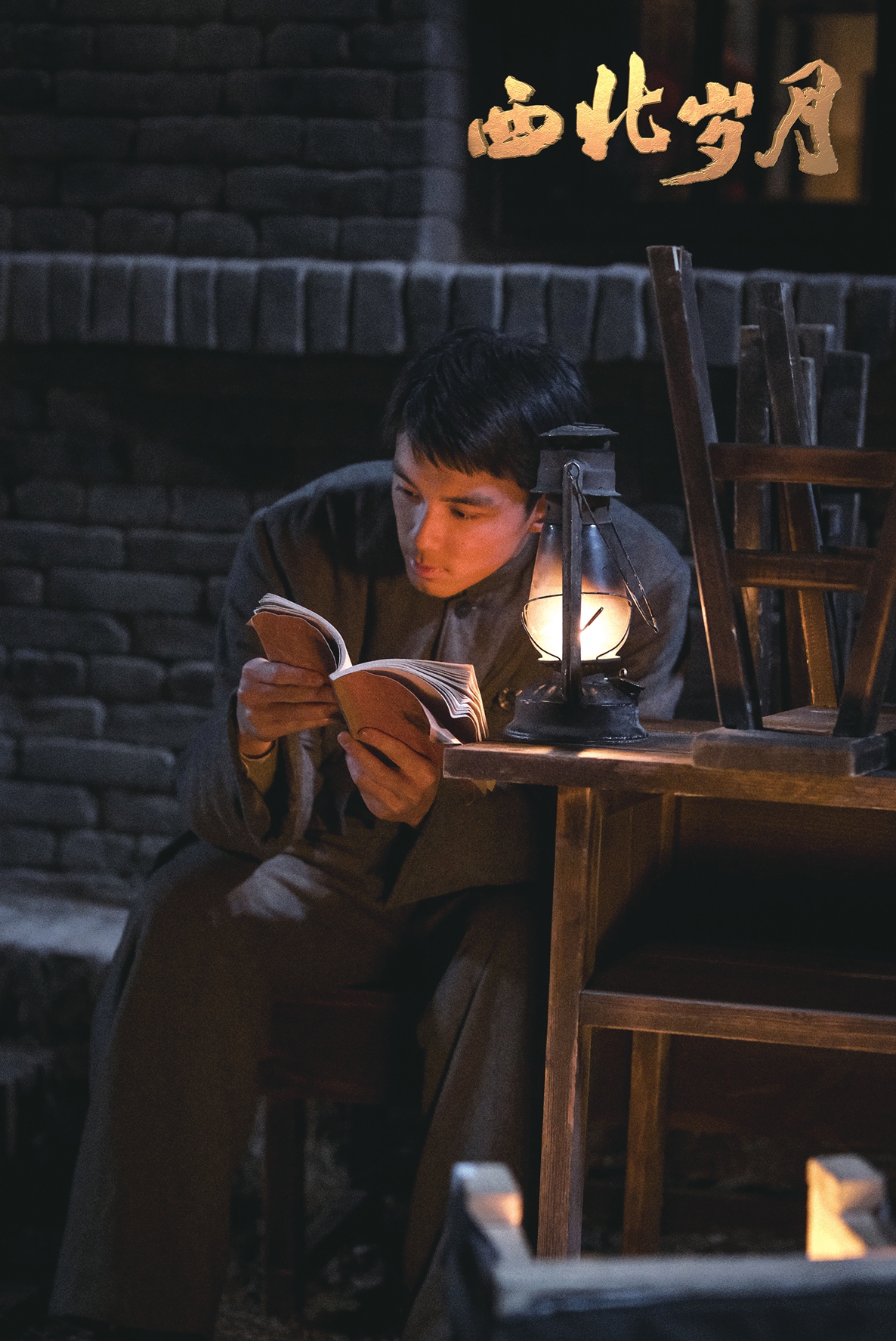
Promotional material for the historical TV drama Northwest Years Photo: movie.douban.com
Following the broadcast of Northwest Years, young audiences flocked to Nanliang in Northwest China's Gansu Province for study tours, combining on-site exploration with historical learning and moral reflection."The popularity of historical fact-checking demonstrates that traditional culture is increasingly resonating with contemporary tastes," he noted, particularly among younger generations who are eager to understand history not as distant doctrine, but as a living narrative connected to their present lives.
The dramas have sparked public enthusiasm for fact-checking and historical knowledge, with many treating TV shows as a form of knowledge sharing and transmission. This, in turn, encourages creators to adopt a more rigorous approach, enhancing the historical authenticity of their works, Yin noted.
For creators of historical dramas, the trend offers a valuable lesson. Accuracy, detail, and narrative restraint do more than ensure credibility - they invite participation. When a drama respects its audience's intelligence and curiosity, it opens the door to dialogue between the past and the present, and between the screen and society, experts noted.
Historical dramas, when combined with modern technology and an engaged audience, can transform viewing into an immersive cultural experience - one that deepens historical understanding while reaffirming the enduring relevance of the past.
RELATED ARTICLES