ARTS / CULTURE & LEISURE
Xizang Museum launches special New Year exhibition
Ancient silk relics showcase historical integration
By Published: Feb 05, 2026 10:53 PM

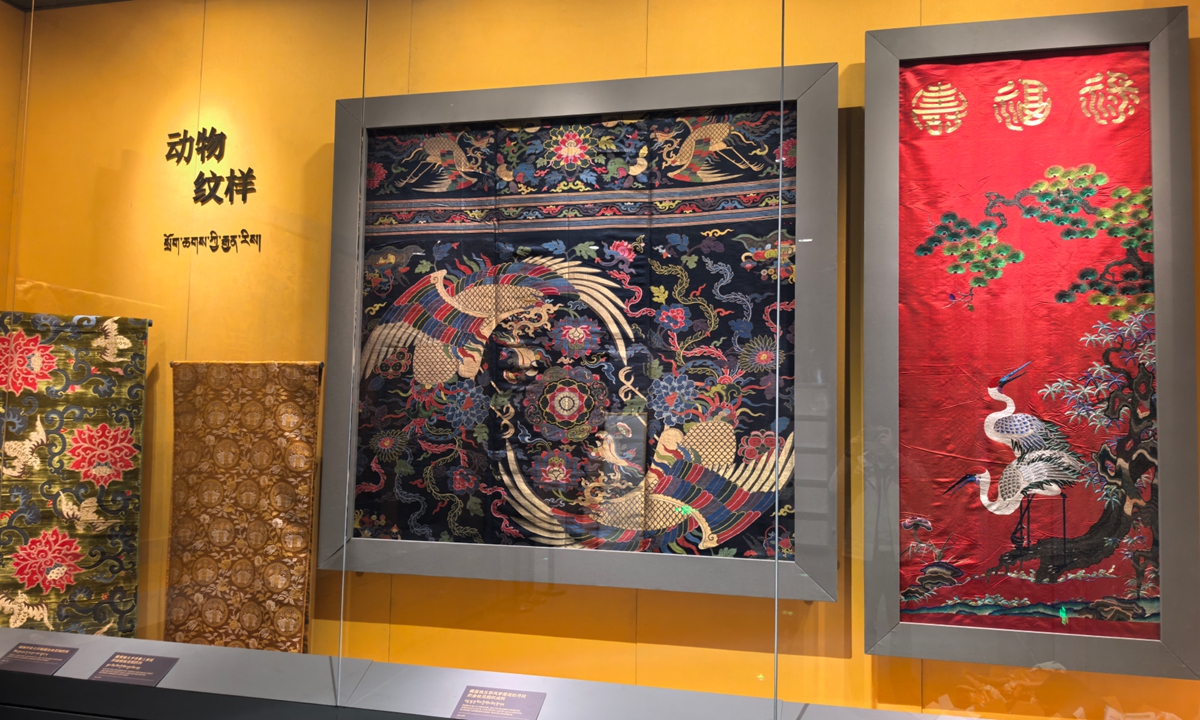
Photo: Courtesy of the Xizang Museum
An exhibition exploring the profound role of silk in shaping the cultural and political ties between the Qinghai-Xizang Plateau and the Central Plains over more than 1,000 years will open at the Xizang Museum in Lhasa, Southwest China's Xizang Autonomous Region on Friday.Titled Heavenly Brocade of the Plateau - Interwoven Threads across a Millennium, the special Spring Festival display will feature more than 80 rare silk textiles dating from the Han and Jin dynasties (206BC-420) to the Republic of China (1911-49) era, drawn from the collections of the Xizang Museum as well as institutions in Sichuan Province, Gansu Province and the Xinjiang Uygur Autonomous Region.
The exhibition is scheduled to run until the end of 2026, offering visitors a rare opportunity to appreciate the charm of silk culture and witness the profound historical bonds between the plateau and the Central Plains.
"It is the first major thematic exhibition dedicated to silk culture since the museum reopened in its new building," the exhibition's curator Sonam Drolma told the Global Times on Thursday.
Taking silk as a link, the exhibition unfolds a millennium-long scroll of cultural exchanges between the Han and Tibetan ethnic groups, according to a press release from the Xizang Museum.
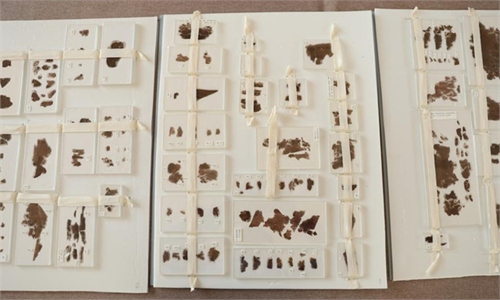
A notable exhibit is the Vermilion-red ground linked-bead confronting-horse from the Tang Dynasty (618-907) from the Xinjiang Uygur Autonomous Region Museum's collection.
Unearthed in 1972 from the Astana Cemetery in Turpan city, this relic, a face covering centerpiece, adopts a three-color brocade pattern in orange, white and navy blue.
The "linked-bead confronting-animal" pattern, also known as roundel linked-bead warp brocade, bears the influence of Sasanian Persian culture. It serves as tangible evidence of the cultural exchanges between China and the West along the Silk Road during the Tang Dynasty and reflects the strong inclusiveness of Chinese civilization.
"With silk as the medium, this exhibition aims to showcase the diversity within unity of Chinese civilization and strengthen cultural identity and confidence," the curator said.
According to the museum, the exhibition is divided into three sections that combine precious cultural relics, pictures and texts, and multimedia interactions to present a full picture of cultural mutual learning and spiritual resonance along the ancient Silk Road.
Since silk was first introduced to the Qinghai-Xizang Plateau via the Silk Road, it has been deeply integrated into the daily life of plateau residents. From festive costumes to daily ornaments, silk patterns that blend Han and Tibetan artistic characteristics not only adorn life with their shiny texture, but also reflect the wisdom of folk craftsmanship through their creative transformation, constantly carrying and enriching the plateau people's yearning and pursuit for a better life.
With the extensive exchanges between the Qinghai-Xizang Plateau and the Central Plains, a large amount of silk was used in temple decorations after its arrival in Xizang, such as pillar banners, canopies and Buddhist robes, promoting the integration of Han and Tibetan Buddhist art.
Throughout the dynasties, silk fabrics awarded by the central dynasties to the local government of Xizang have always been an important part of imperial gifts. These silk fabrics, with exquisite patterns, superb craftsmanship and rich varieties, including piece goods, robe materials, dragon robes, python robes and scrolls, were all produced by weaving institutions specializing in high-grade royal silk products.
They not only reflected the care of the central government for local areas, but also further strengthened the exchanges and integration between the plateau and the Central Plains.
For example, using a supplementary weft technique, this red satin features raised, finely defined patterns of dragons amid clouds and gold-woven flowers. The central design features a five-clawed front-facing dragon, its scales and tendrils outlined in gold, representing the exquisite craftsmanship of imperial cloud-patterned brocade reserved for the Qing Dynasty (1644-1911) court.
Woven in the Jiangnan Imperial Textile Workshops, it blends traditional gold-weaving with classic cloud-and-dragon motifs. Such fabrics were often used for Buddhist ceremonial objects, including altar drapes and statue vestments. The motifs also influenced Tibetan painters and were incorporated into local decorative art.
Besides the silk treasures, the museum will also launch some activities to offer visitors an immersive way to appreciate the abiding charm of traditional culture. Interactive activities include fashion shows, silk culture classes, parent-child tie-dye DIY sessions, and intangible cultural heritage "New Year painting lithographic printing" workshops, the press release noted.
RELATED ARTICLES