Chinese regulators summon Amap's ride-hailing platform over commission rate cut, working condition issues

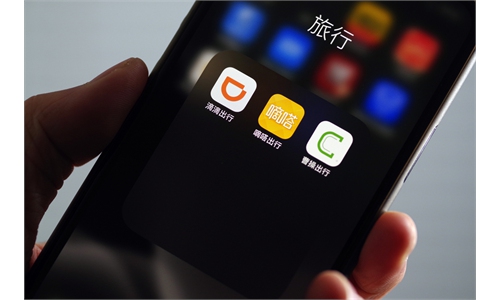
Logo of Amap's rid-hailing platform Photo: VCG
The office of the inter-ministerial joint conference on coordinated regulation of new transportation business models has recently summoned Amap's ride-hailing platform, and demanded it to honor commitments to lower commission rates, strengthen oversight of partner platforms, and improve drivers' working conditions, according to the official WeChat account of China's Ministry of Transport.
The authorities pointed out a series of operational issues, including inadequate management of partnered ride-hailing platforms, downward pressure on fares, and improper handling of emergency incidents. The office required Amap's ride-hailing platform to take targeted measures, carry out immediate rectification, and effectively safeguard drivers' lawful rights and interests.
According to the requirements, the platform must fully implement its public pledge to reduce commission and service fees in order to ensure drivers earn reasonable incomes. It also instructed the platform to tighten compliance management of partner platforms, vehicles and drivers, and to continuously raise overall compliance standards.
Driver protection was highlighted as a regulatory priority. The office called for faster responses to complaints and disputes, and enhanced training to improve drivers' safety awareness and emergency response capabilities.
In addition, the office urged the platform to ensure safe operations and service stability during the Spring Festival travel rush, while strengthening care and support for drivers during the holiday period and further improving their working environment.
In response, Amap's ride-hailing platform said it will strictly implement all regulatory requirements and conduct comprehensive rectification. The platform pledged to operate in compliance with laws and regulations, maintain fair market competition, and better protect drivers' legitimate rights and interests.
Global Times
RELATED ARTICLES