As the entire world welcomes the Year of the Horse, foreign envoys to China share what this symbol means in their own cultures. The horse represents what endures: loyalty, resilience, and the quiet strength to carry forward.
In this special edition of Diplomatic Community, eight diplomats to China extend their Chinese New Year greetings exclusively to Global Times readers, sharing their festive wishes, insights on cultural ties, and hopes for closer friendship and cooperation in the Year of the Horse.
We wish all readers a prosperous, unstoppable spirit, and a joyful Year of the Horse.
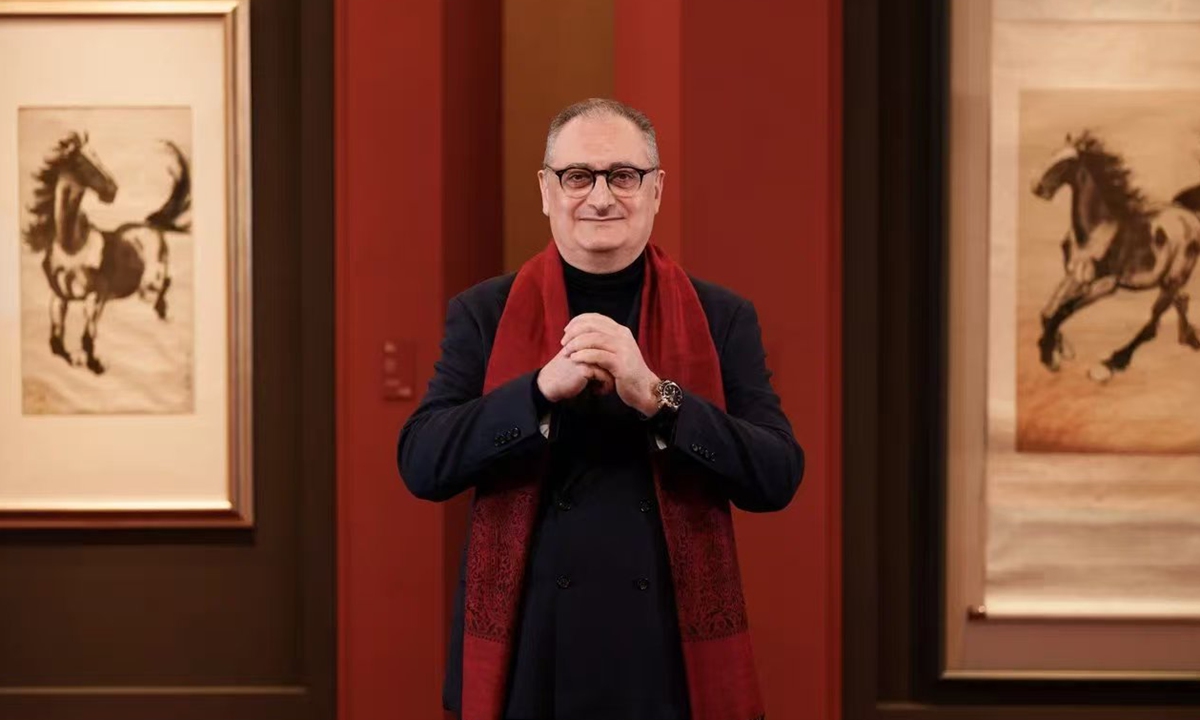
Russian Ambassador to China Igor Morgulov Photo: Courtesy of the Embassy of the Russian Federation in China
Russian Ambassador to China Igor MorgulovUnder the leadership of our countries, the Russia-China comprehensive partnership and strategic cooperation reached new heights in the outgoing Year of the Snake, maintaining steady progress across all key areas.
The past year was marked by the 80th anniversary of our shared victories: the Victory of the Soviet people in the Great Patriotic War and the Victory of the Chinese people in the War of Resistance against Japanese Aggression.
In the year ahead, we will continue to work together to further unlock the immense potential practical cooperation holds, both in traditional sectors and emerging high-tech industries.
Following the Russia-China Years of Culture, the heads of our two states declared 2026-2027 the cross Years of Education.
The introduction of the mutual visa-free regime in 2025 has also created a strong momentum for expanding our ties in humanitarian and other fields, as travel figures have already reached record high.
Dear friends! A horse holds a special place in both Russian and Chinese cultures. Many people of my country revere it as an indispensable companion and faithful helper, the domestic animal closest to humans. In Chinese tradition, it represents success, speed, and unwavering advancement, as captured in the idioms 马到成功 (win instant success), 一马当先(gallop at the head),策马奔腾(charging forward toward bigger goals and wider horizons).
I am confident that in the upcoming lunar year, together with our Chinese partners, we will bring to life the most ambitious endeavors, further strengthening the bonds of traditional friendship and strategic interaction between our nations.
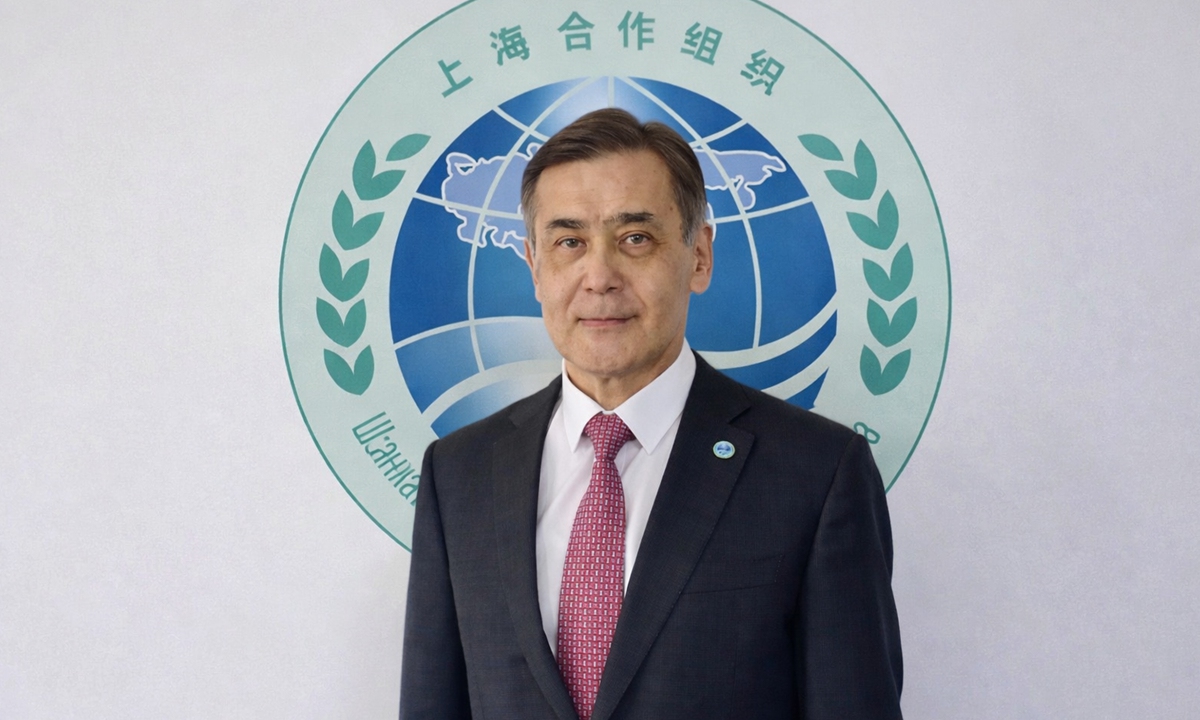
Nurlan Yermekbayev, secretary general of the Shanghai Cooperation Organization Photo: Courtesy of the Shanghai Cooperation Organization Secretariat
For centuries, the horse has played a unique role in the history of many nations of Eurasia. It was not only a faithful companion to humans, but also a bridge between cultures facilitating the development of trade, inter-civilizational links, as well as supporting military activities.
The horse has a special place in the nomadic cultures of Central Asia as well as in the East Asia, including China and Mongolia. There, it is not merely a means of transportation or a comrade in battle, but a symbol of freedom, dignity, endurance, and vital energy.
The 2026 World Nomad Games to be held in the Kyrgyz Republic will coincide with the country's presidency in the Shanghai Cooperation Organization (SCO), adding symbolism and significance regionally and internationally.
Both in China and in many other SCO member states, the horse is perceived not only as a helper to humans, but also as a spiritual symbol. It is associated with commitment, diligence, forward movement, and the unity between humans and nature.
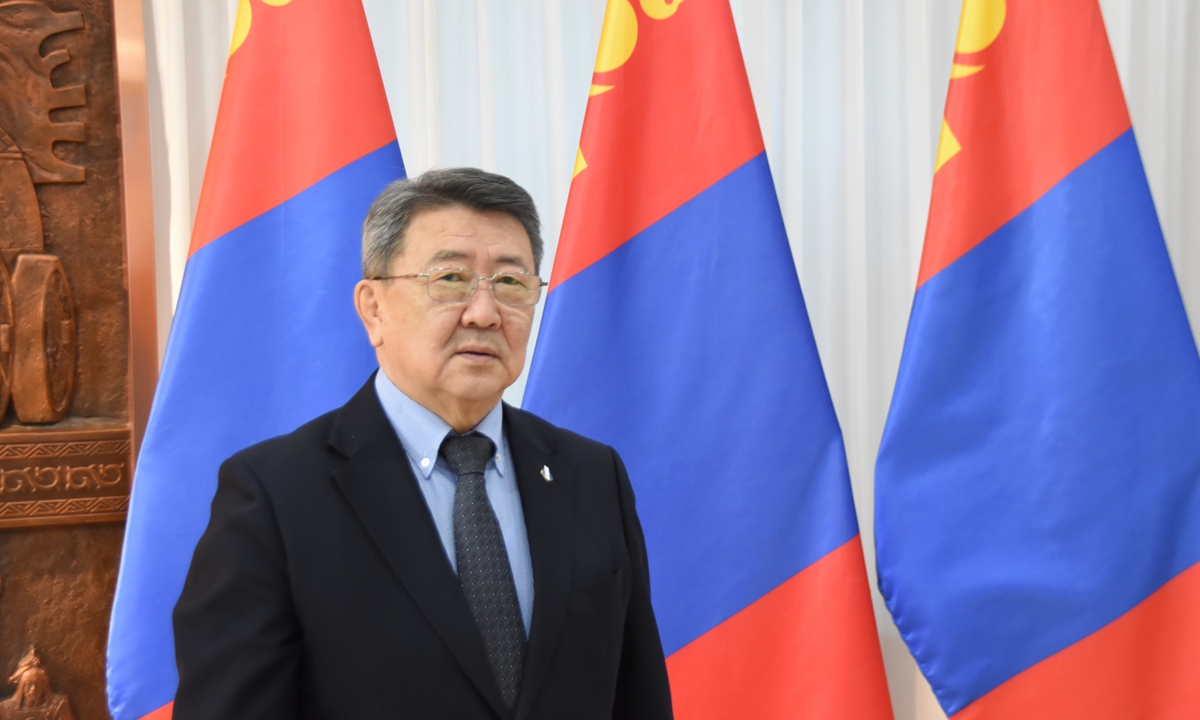
Mongolian Ambassador to China Nyamaa Enkhbold Photo: Courtesy of the Embassy of Mongolia in China
Mongolian Ambassador to China Nyamaa EnkhboldAs the Lunar New Year arrives - a season cherished across Asia - I am delighted to extend my heartfelt greetings to the readers of the Global Times. Though known by different names and celebrated through diverse customs, it reflects shared values deeply rooted in our region: renewal, respect for family, reverence for tradition, and hope for a better year ahead.
In Mongolia, we welcome the Lunar New Year as Tsagaan Sar, the "White Moon." It is a time when the long winter begins to loosen its hold, and light quietly returns to both nature and the human spirit. The Tsagaan Sar celebration holds special meaning for Mongolians, reflecting our nomadic roots, history, traditions, and way of life. I still recall from my childhood the calm dignity of elders offering blessings, the warmth of family gatherings, and the simple yet profound greetings exchanged. These moments shape our understanding that tradition is not something we inherit passively; it is something each generation carries forward with affection.
I sincerely wish all readers of the Global Times good health, peace and steady progress in the year ahead.
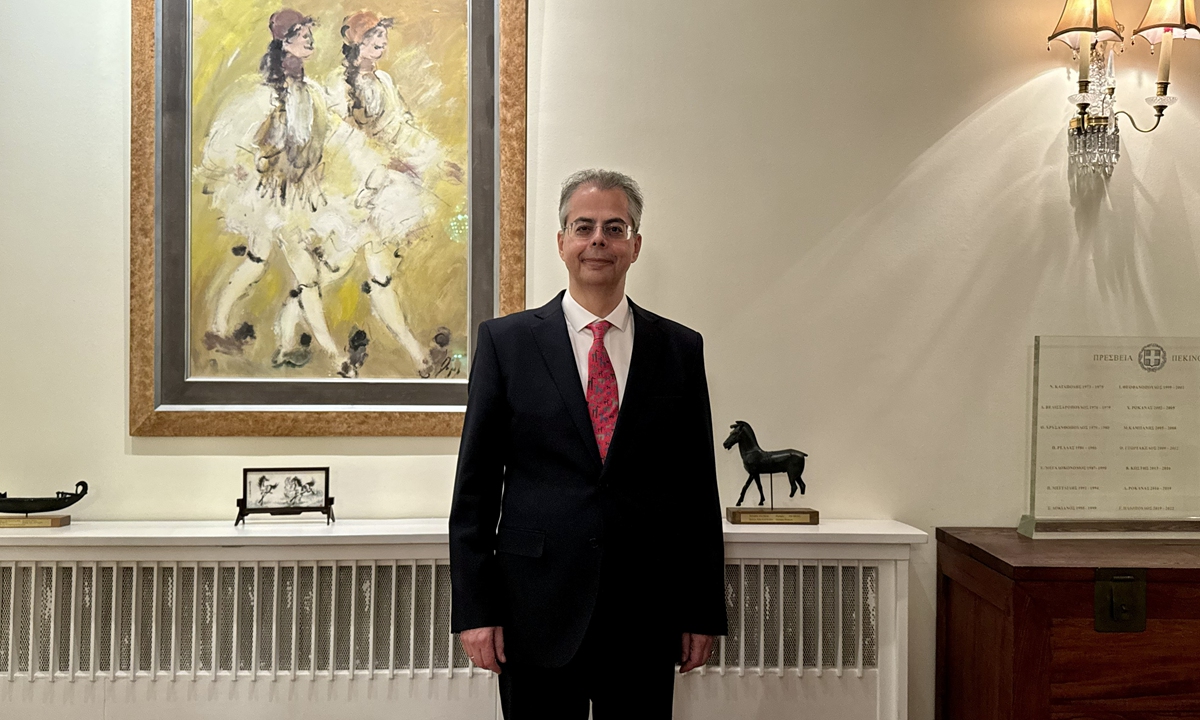
Ambassador of Greece to China Evgenios Kalpyris Photo: Dong Feng/GT
Ambassador of Greece to China Evgenios KalpyrisConsidering that in a few days we will be celebrating the Year of the Horse, I can't help but reflect on the values the horse stands for in both Greek and Chinese cultures as a symbol of strength, authority, beauty and vitality, among other things.
In ancient Greece, the horse carried an exceptional importance, both materially and symbolically, as an indicator of social status. Several names used by Geek aristocracy incorporated the element hippo- (horse), such as Philippos ("lover of horses"). Horses also had a crucial role in warfare - it was the Trojan Horse that led Greeks to victory in Troy, as Homer narrates in the Iliad.
Moreover, the horse has always been present in every form of Greek art - one of the most famous examples are the horsemen on the sculpted frieze of the Parthenon. In Greek mythology, these animals were often associated with gods and supernatural forces: Poseidon was able to create horses from the sea, while Pegasus, the immortal winged horse, symbolized transcendence, linking the human and the divine worlds.
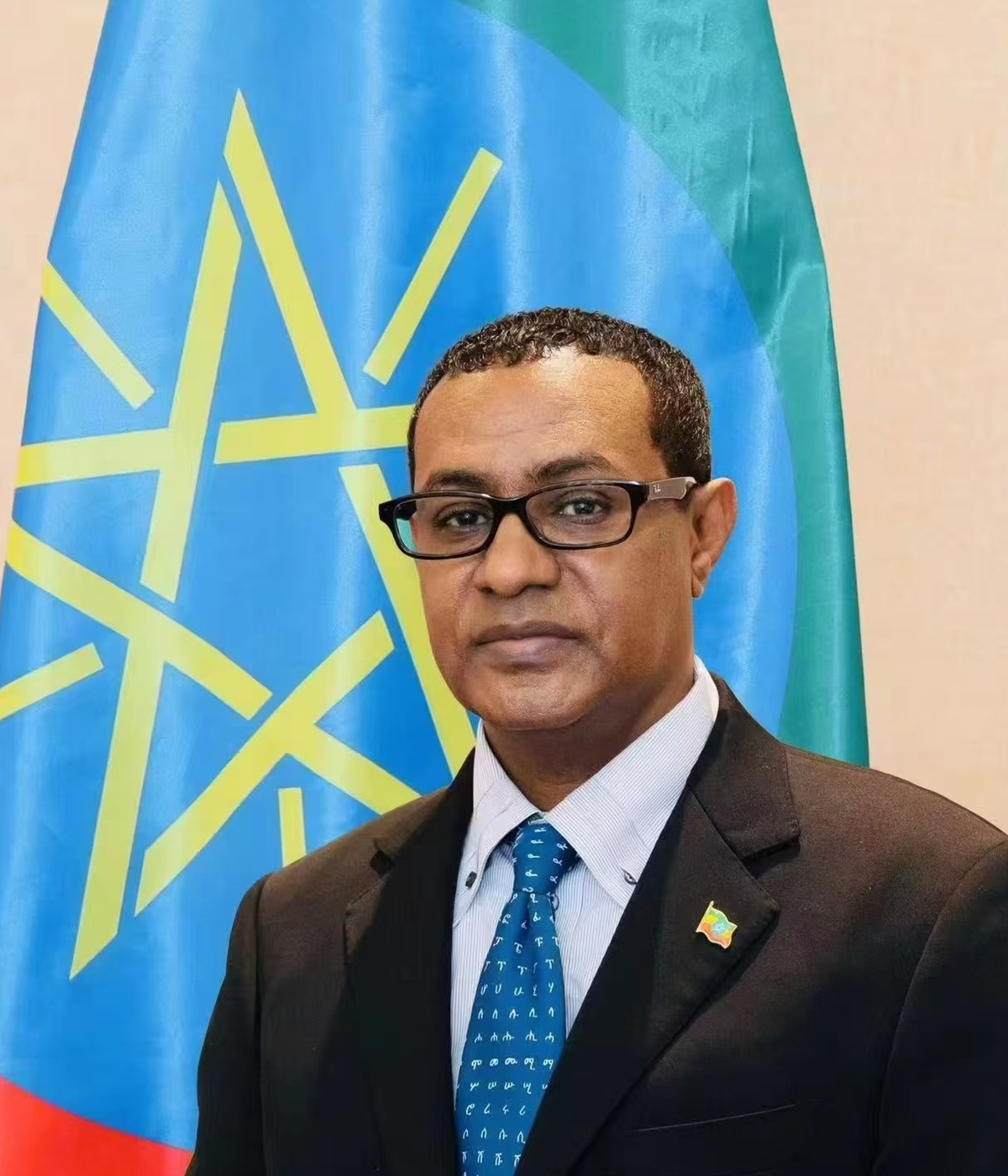
Ethiopian Ambassador to China Tefera Derbew Yimam Photo: Courtesy of the Embassy of the Federal Democratic Republic of Ethiopia in China
Ethiopian Ambassador to China Tefera Derbew YimamAmong Chinese New Year customs, pasting Spring Festival couplets is particularly meaningful. The carefully chosen words, written in beautiful calligraphy and displayed on red paper, reflect the Chinese belief that language carries blessings and that a good beginning sets the tone for the entire year.
It shows a deep respect for traditional, culture and optimism about the future. Making dumplings is another custom I find very touching. It is not just about food, but about family reunion, cooperation, and sharing. The process of preparing dumplings together symbolizes unity and collective effort, values that resonate strongly with Ethiopian culture as well.
I have also been impressed by temple fairs, which combine folk tradition and cultural performances. They demonstrate how Chinese society preserves its cultural heritage while keeping it alive and accessible to all generations.
In my understanding, the cultural meaning behind these customs center on family harmony, respect for tradition, gratitude for the past, and hope for the future. These values are universal and help explain why the Chinese New Year remains such a powerful and enduring celebration.
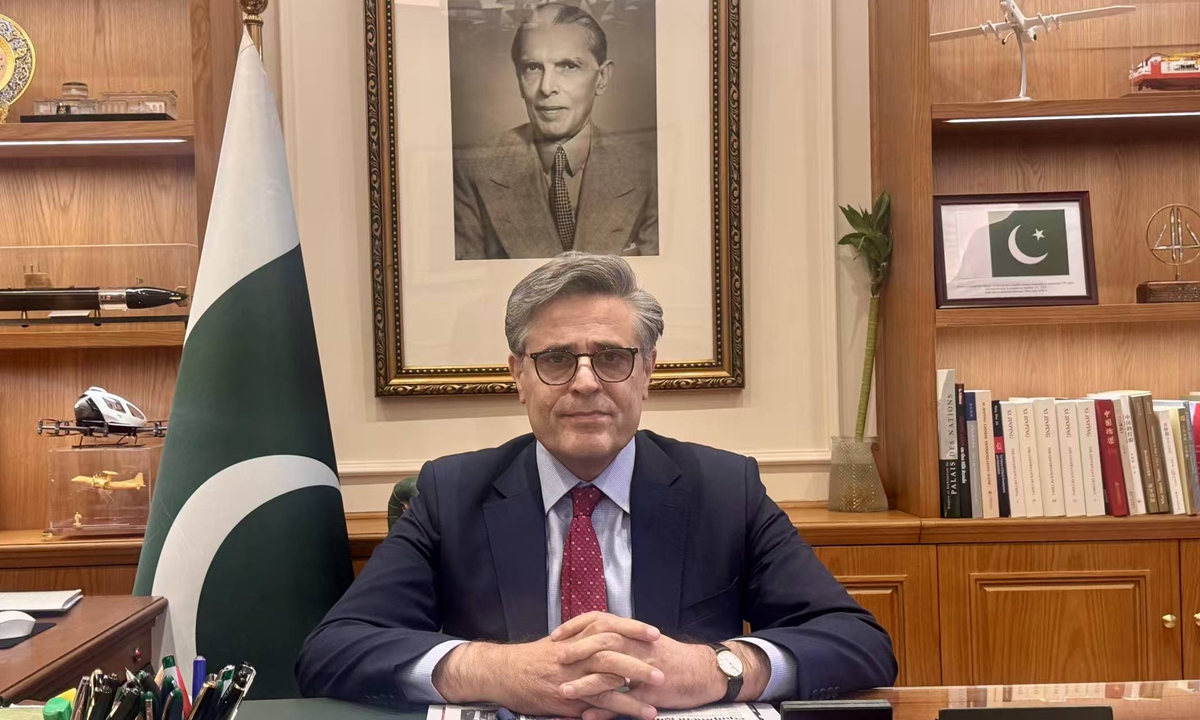
Pakistani Ambassador to China Khalil Hashmi Photo: Courtesy of the Embassy of the Islamic Republic of Pakistan in China
Pakistani Ambassador to China Khalil HashmiOn the joyous occasion of the Spring Festival, I extend my warmest greetings to the people of China and to the readers and viewers of the Global Times.
The Spring Festival is a time of renewal, reunion and hope. In this Year of the Horse, which symbolizes vitality, perseverance, and forward momentum, we are reminded of the strength that comes from resilience and purposeful progress.
This year holds special significance for Pakistan and China as we celebrate the 75th anniversary of the establishment of our diplomatic relations. Our two sides have made plans to mark this important milestone befittingly.
I wish the people of China lots of happiness, good health, and much success in the Year of the Horse. May this Spring Festival bring renewed confidence, harmony, and shared progress to us all.
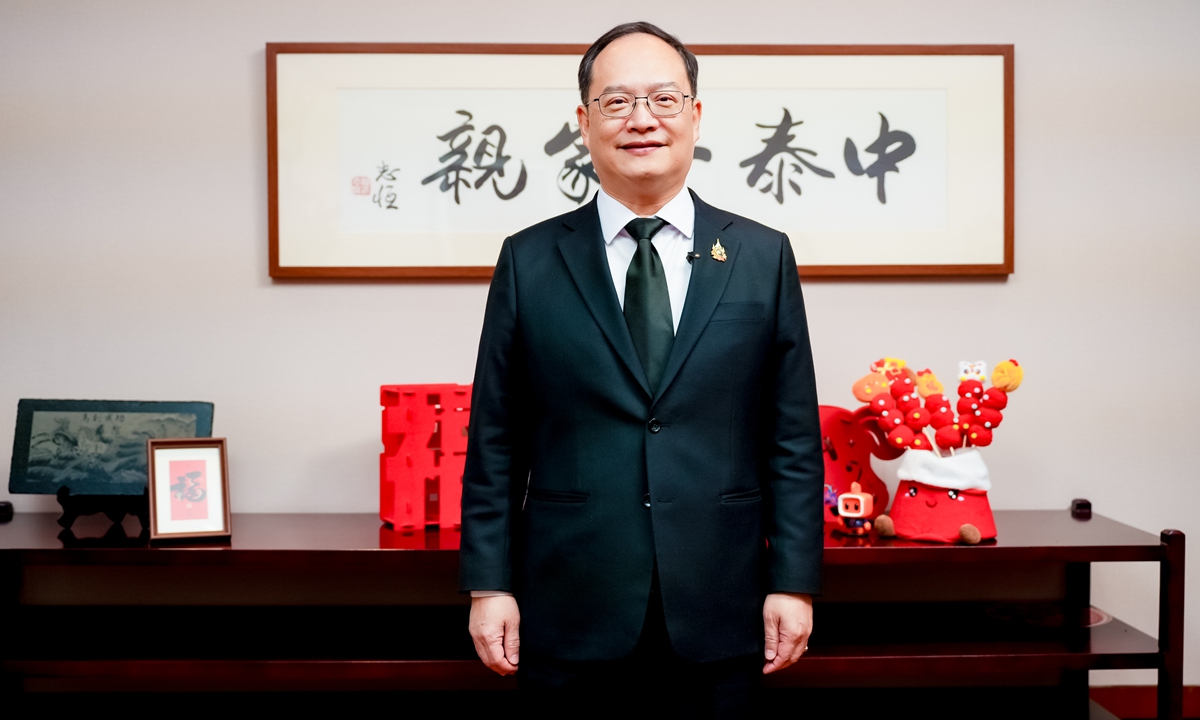
Thai Ambassador to China Chatchai Viriyavejakul Photo: Courtesy of the Royal Thai Embassy in China
Thai Ambassador to China Chatchai ViriyavejakulHappy Chinese New Year to readers of the Global Times!
The Chinese New Year is a very special festival celebrated in many countries, including Thailand. Last year marked the 50th anniversary of diplomatic relations between Thailand and China, and this year we commemorate the 14th anniversary of our Comprehensive Strategic Cooperative Partnership.
Both Thai and Chinese people cherish the horse as a symbol of determination, vitality, and success. On this joyful occasion of the Year of the Horse, I wish the enduring friendship and close cooperation between our two countries will continue to move forward with the energy, strength, and grace of a galloping steed.
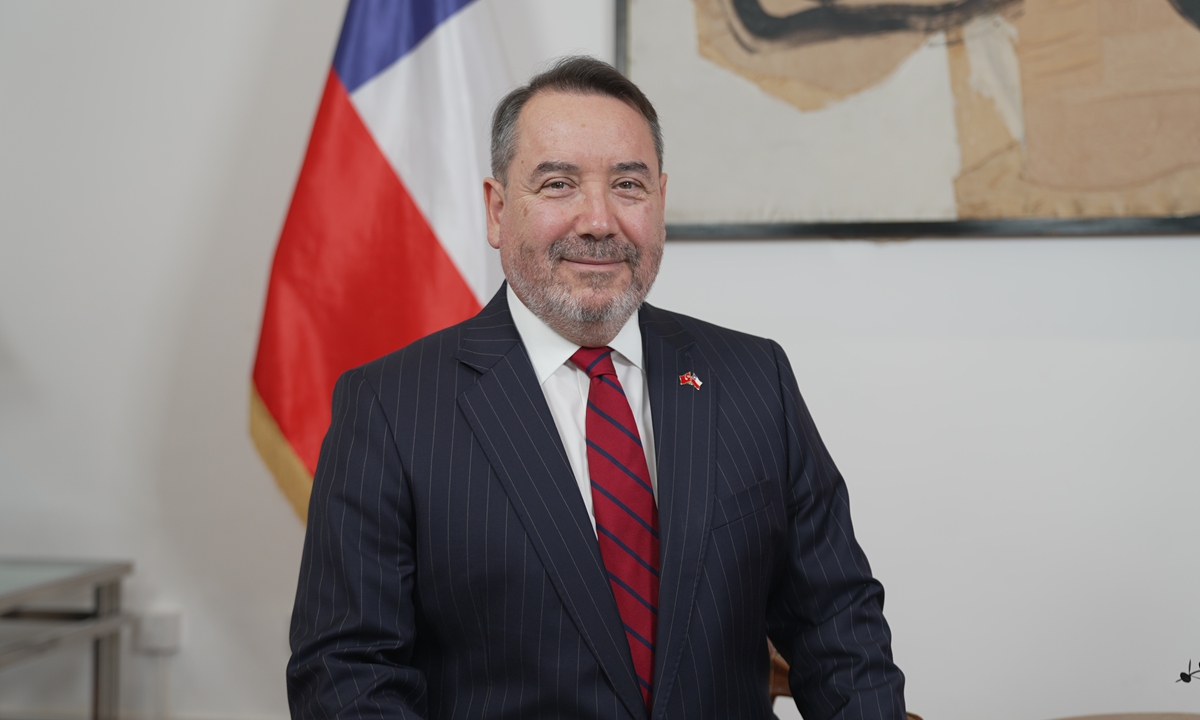
Chilean Ambassador to China Pablo Arriaran Photo: Courtesy of the Embassy of the Republic of Chile in China
Chilean Ambassador to China Pablo ArriaranAcross civilizations, the horse has been more than an animal of labor or travel; it has been a symbol of human aspiration. In Chile, the horse is inseparable from our historical memory. It accompanied the huaso, our own version of the cattle rancher, across the valleys of central Chile and the gaucho through the vast landscapes of Patagonia, becoming a symbol of endurance, discipline, and respect for nature. In our cultural imagination, the horse represents forward movement guided by balance, courage shaped by responsibility, and freedom rooted in tradition.
In both China and Chile, the horse reflects the human effort to adapt to geography, connect territories, and advance through steady and sustained work.
As Chile and China continue to strengthen their comprehensive strategic partnership, and as we marked 55 years of diplomatic relations in December 2025, these shared cultural references remind us that cooperation is built not only on economic ties, but also on mutual respect, historical awareness, and a shared commitment to sustainable development.
May the year ahead bring steady progress, open horizons, and lasting friendship.
I warmly invite Chinese friends to visit Chile and discover a country of remarkable diversity, rich traditions, and sincere hospitality.